
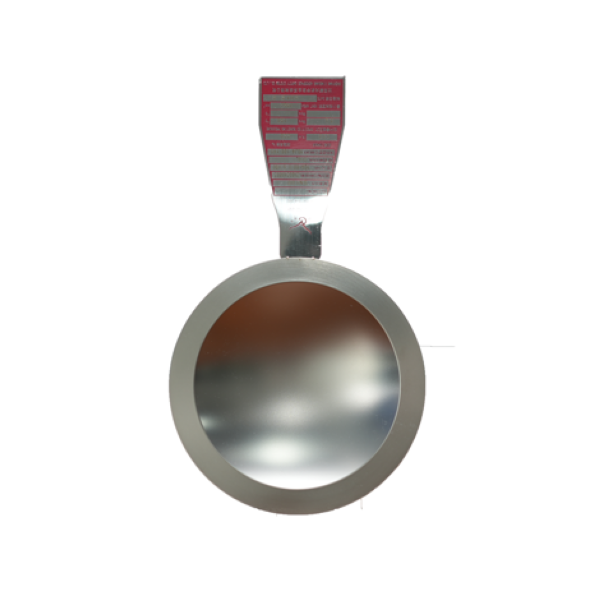
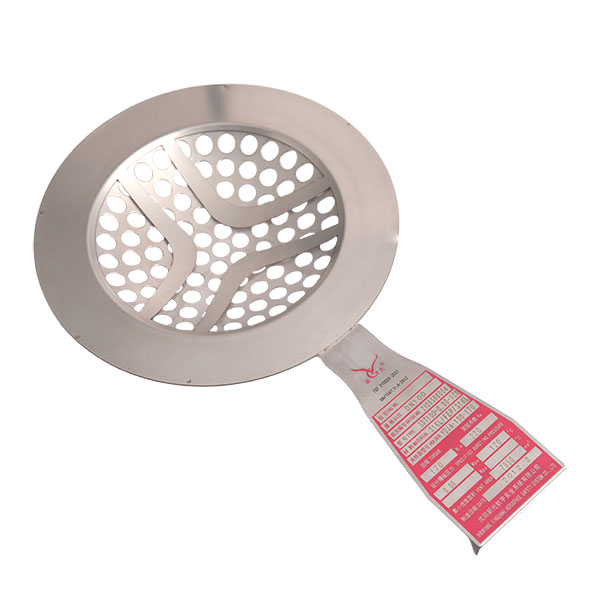
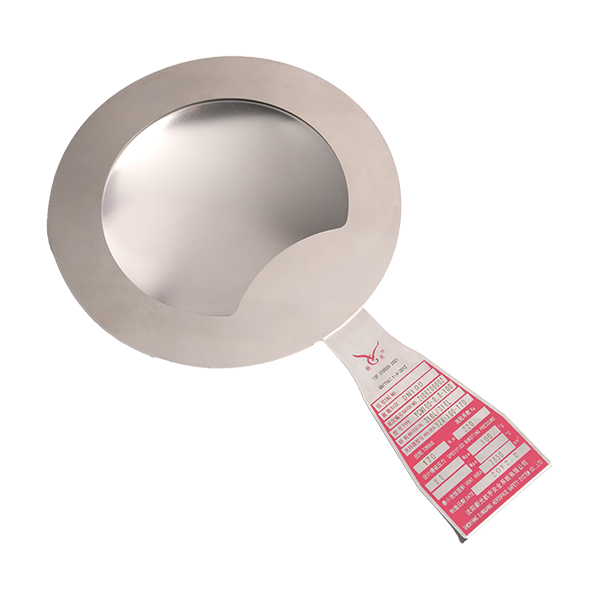
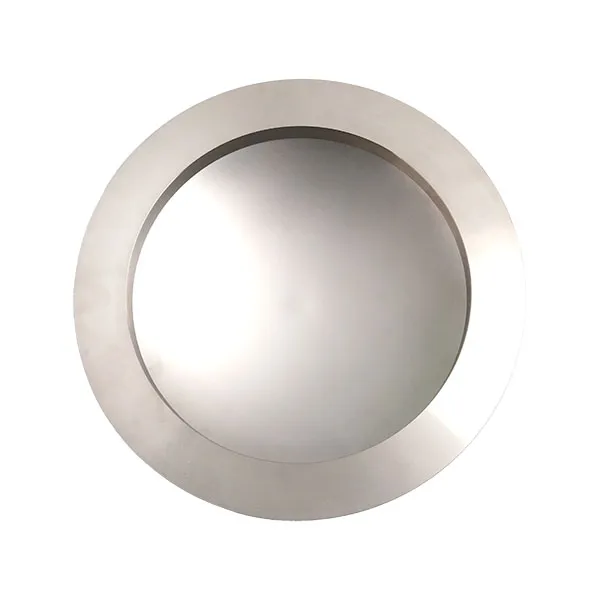
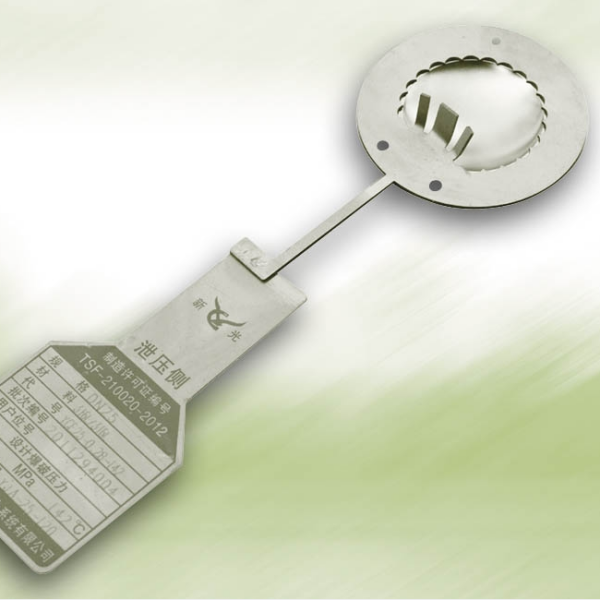
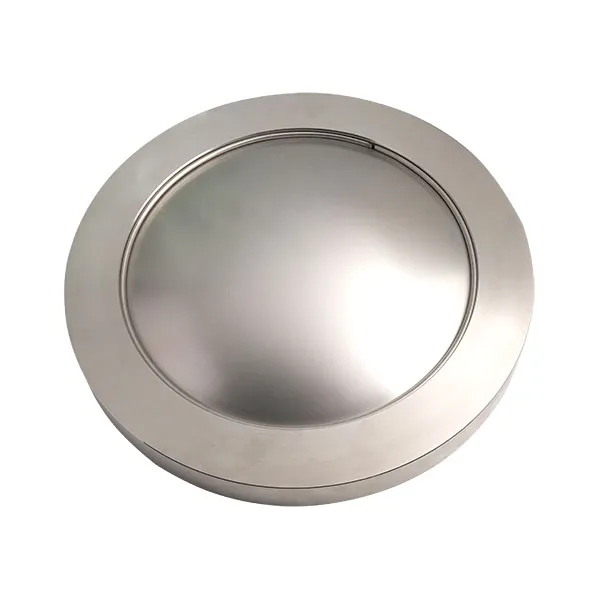
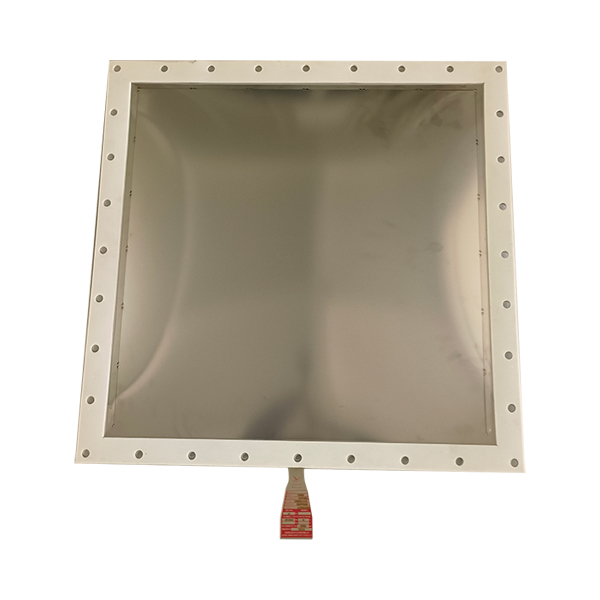
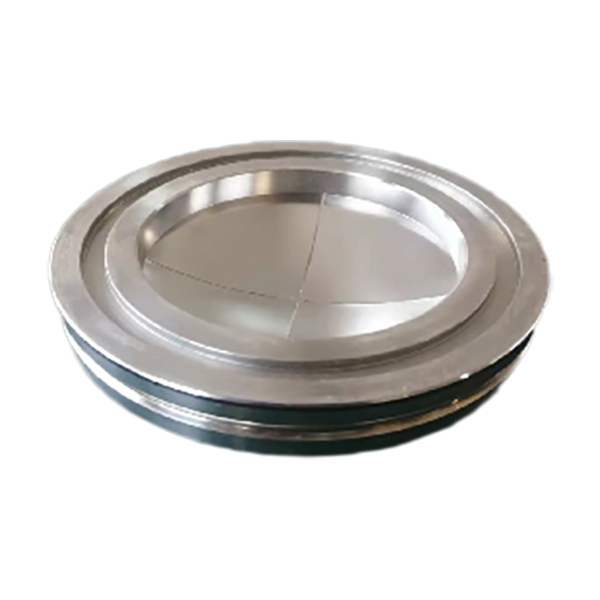
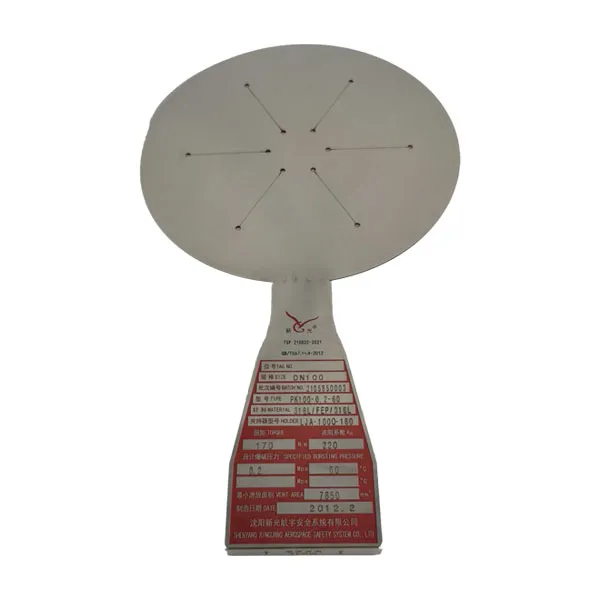
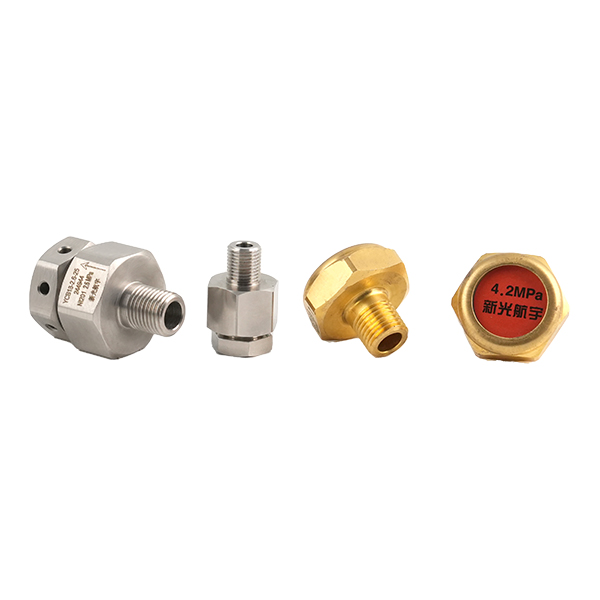
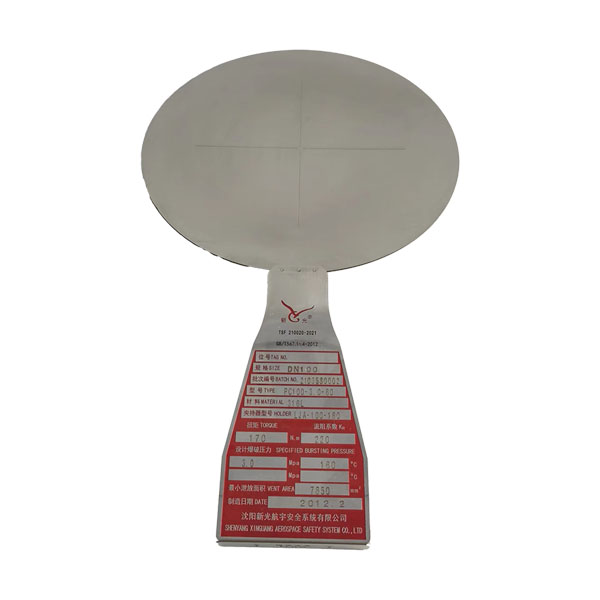
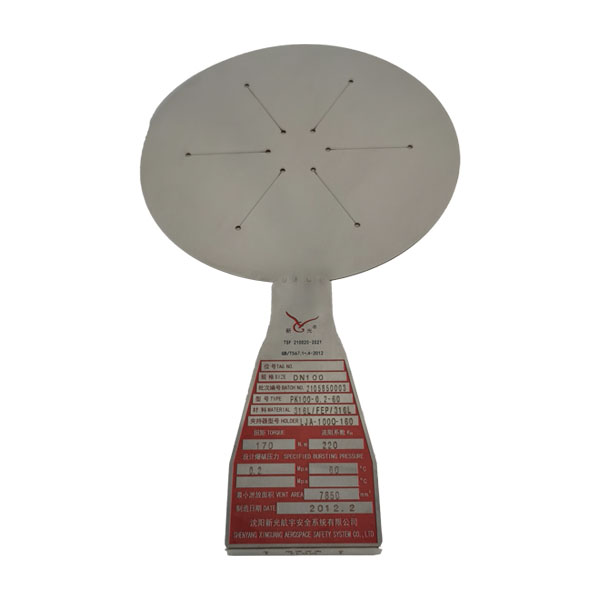
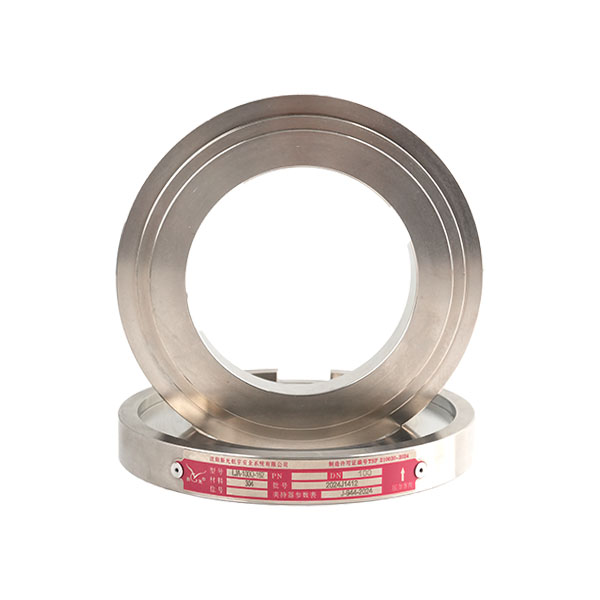
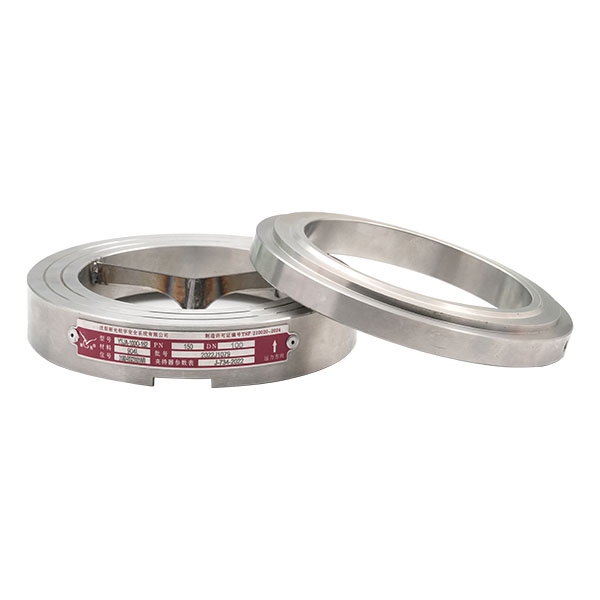
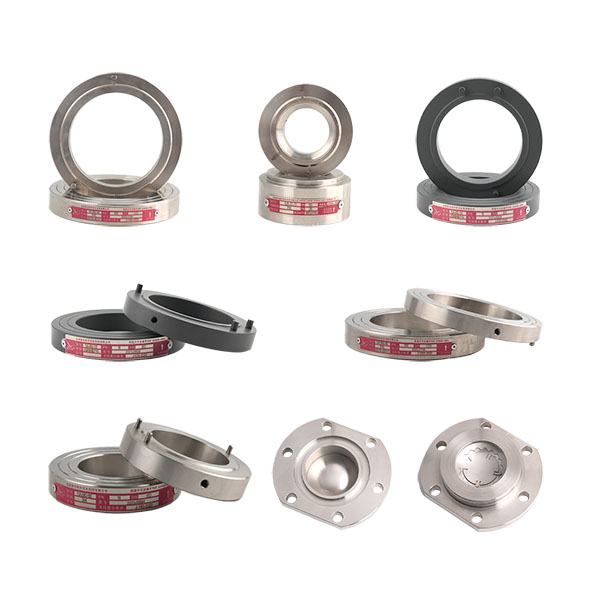
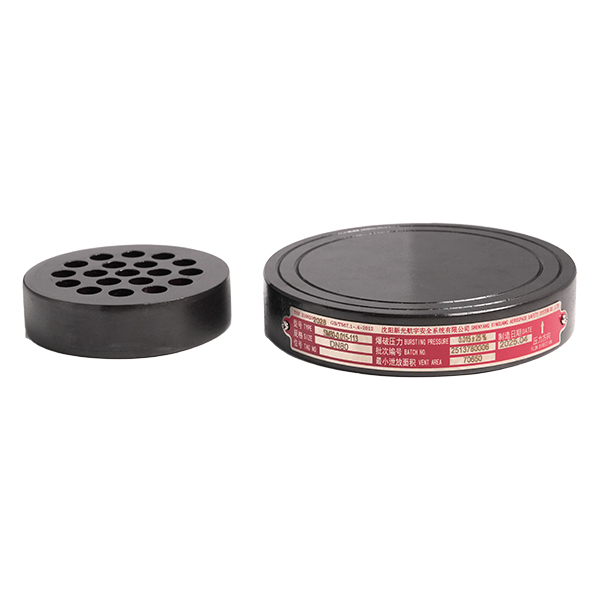
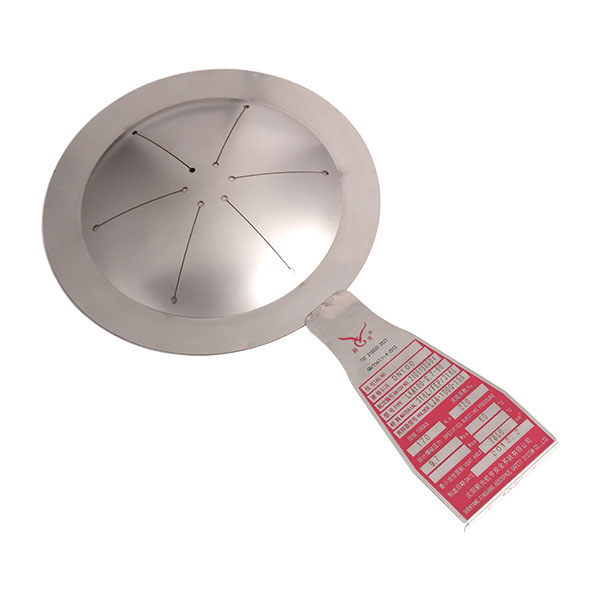
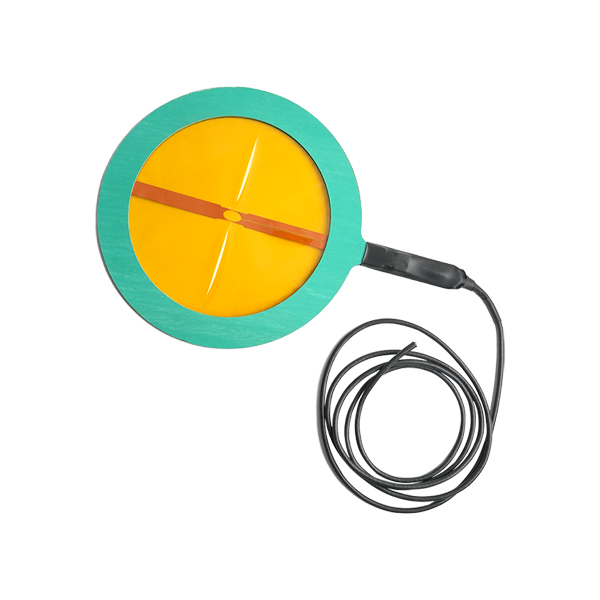
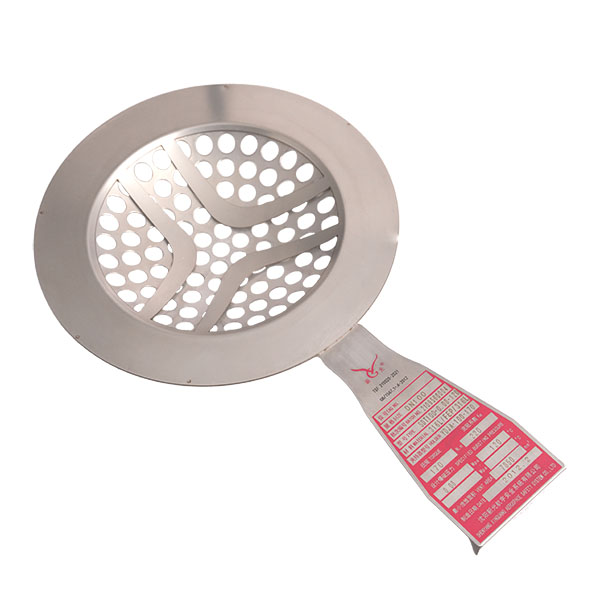
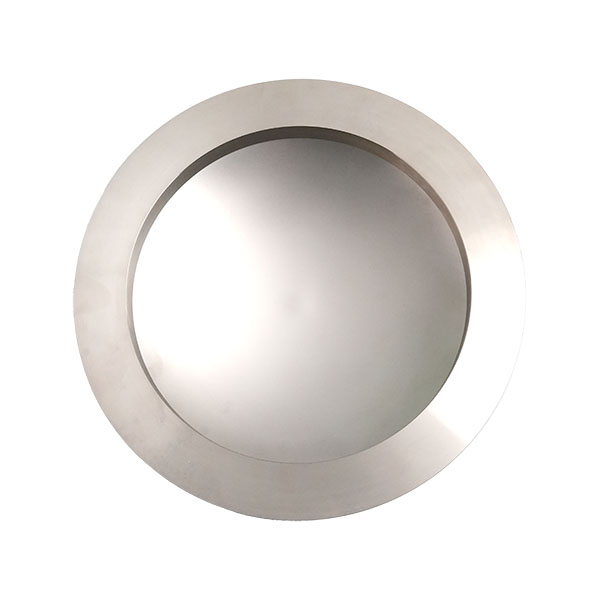
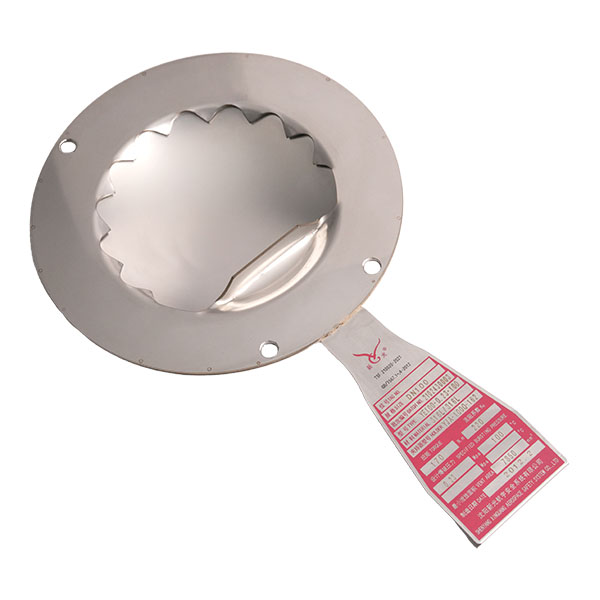
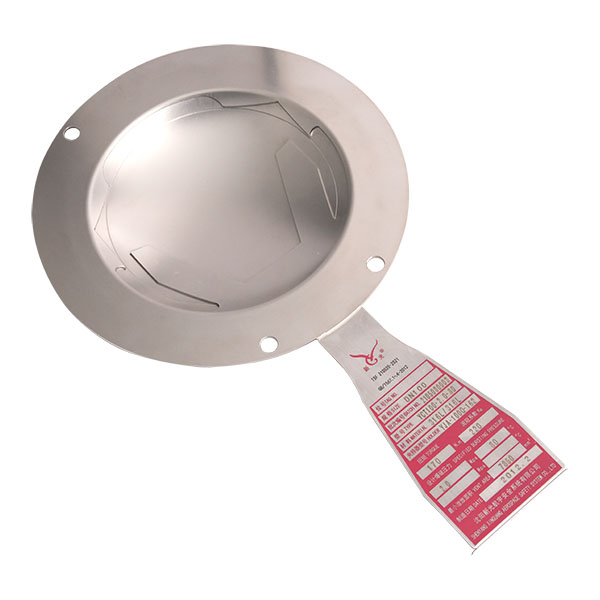
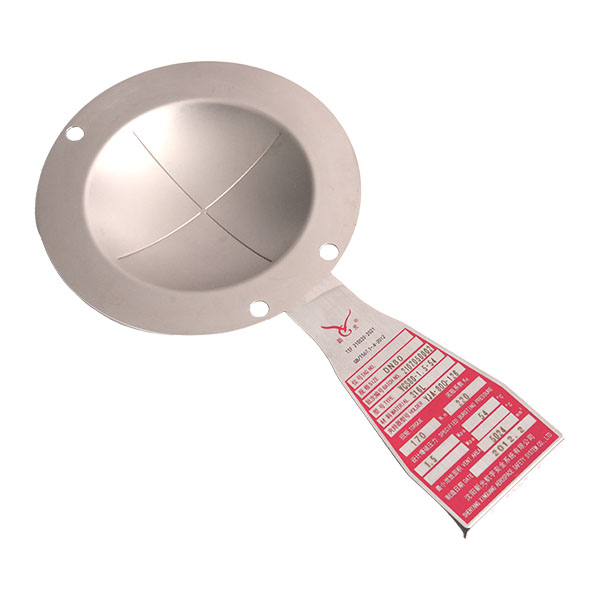
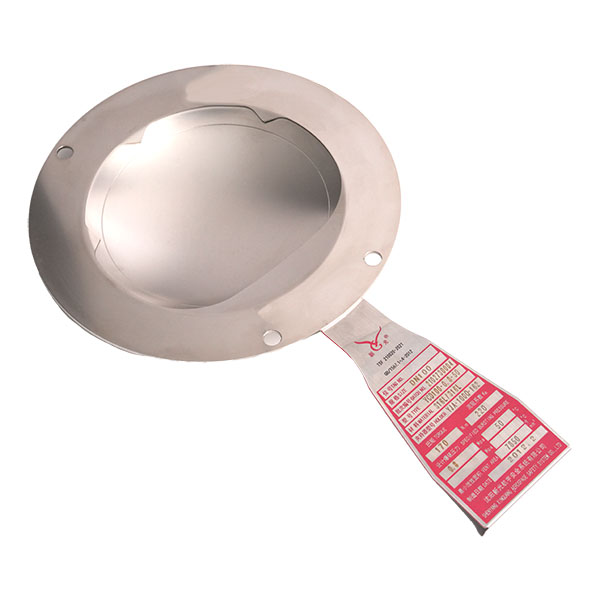
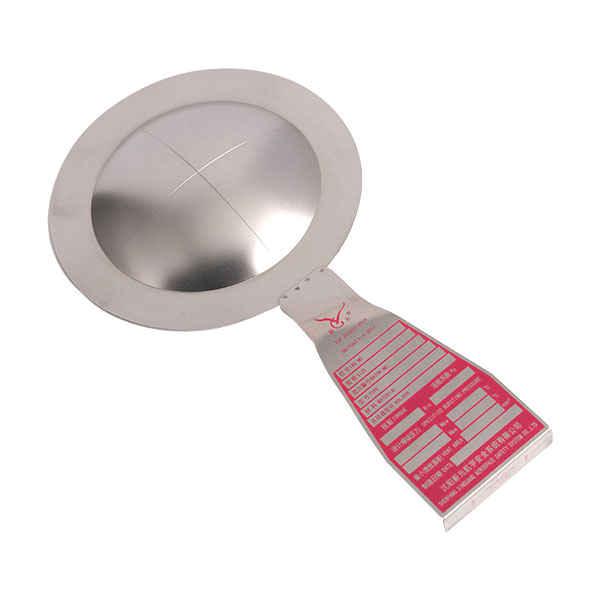
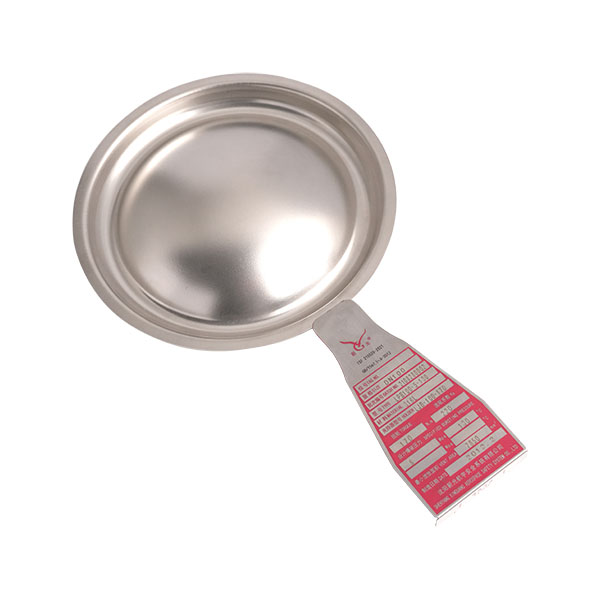
In the petrochemical industry, bursting discs can serve as the last line of protection for pressure vessels. Unlike safety valves, they cannot be reused, but their response speed, sealing performance, and reliability are irreplaceable by other pressure relief devices. Statistics show that in industries such as petrochemicals and chemicals, more than 30% of major safety accidents are related to overpressure, and correctly configured bursting discs can effectively isolate risks. This also means that choosing the wrong bursting disc could lead to a complete shutdown of the production line or even a disaster.
In the petrochemical context, bursting discs face the 'three major killers.'
In petrochemical operations, there has always been high temperature, high pressure, corrosive media, and pressure fluctuations. These factors constantly test the reliability of bursting discs. The following are the three most severe challenges faced by bursting discs in the petrochemical industry.
1. Corrosion: Petrochemical media often contain highly corrosive components such as hydrogen sulfide, chloride ions, and organic acids.
The core component of a petrochemical industry bursting disc is an extremely thin metal diaphragm, making it highly sensitive to corrosion. Even slight corrosion can change the thickness and strength of the diaphragm, leading to bursting pressure drift—either causing premature rupture and unplanned shutdowns, or delayed rupture and equipment overpressure operation.
The key to corrosion resistance lies in material selection and surface treatment; therefore, when choosing, it is recommended not to focus only on the initial price of the bursting disc. A standard stainless steel bursting disc may be inexpensive, but it could fail within 3 months in a corrosive environment. A Hastelloy bursting disc, though more expensive, can operate stably for 3 years.
2. Back Pressure: Refers to the pressure present on the outlet side of the rupture disc.
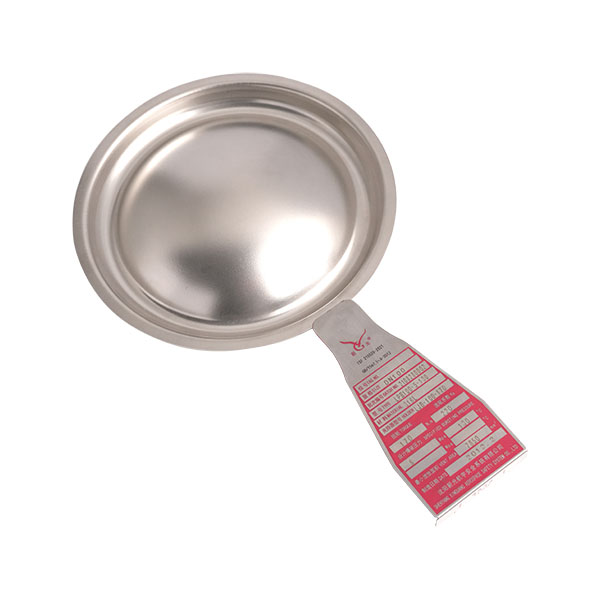
For domed rupture discs, back pressure will add to the inlet pressure, causing the rupture disc to actually experience a pressure higher than the actual differential pressure, which may lead to premature misfiring. When rupture discs are used in series with safety valves, if there is pressure accumulation in the cavity between the two, back pressure will also accumulate, affecting the normal opening of the safety valve.
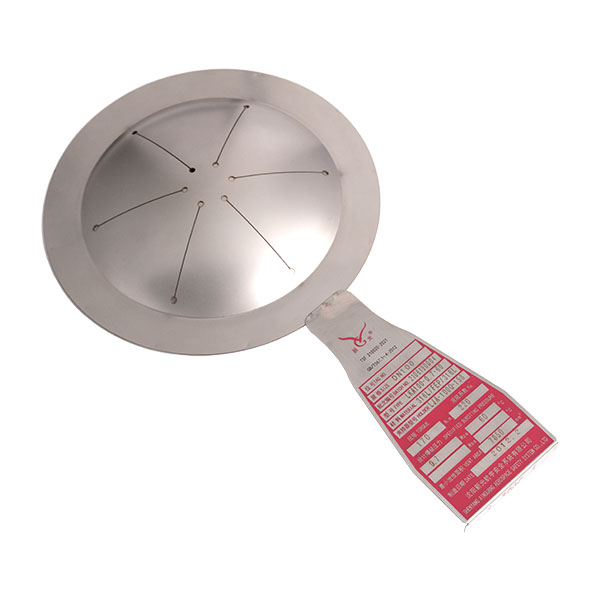
The solution to this problem is to first determine whether there is back pressure in the working conditions, check if there is resistance in the outlet pipeline, whether downstream equipment has pressure, or whether liquid accumulation might block the pipeline and cause back pressure, etc. Generally speaking, reverse-domed rupture discs have strong back pressure resistance and can withstand full vacuum without deformation.
3. Pressure Pulsation: With each pressure fluctuation, the metal diaphragm of petrochemical industry bursting discs undergoes slight deformation.
In petrochemical working conditions, compressors’ reciprocating motion, pumps’ pulsating delivery, and frequent valve operations all generate periodic pressures. These seemingly minor pressure fluctuations can cause lasting chronic damage to the rupture disc. When this damage exceeds the pressure limit of the material, the diaphragm will suddenly rupture.
In such cases, a reverse-domed rupture disc is recommended. It is suitable for situations with frequent pressure fluctuations in pipelines, such as reciprocating compressor outlets and stirred reaction vessels. Its selection rate in petrochemical safety relief devices exceeds 40%, making it the first choice for safety design of high-pressure and high-risk systems.
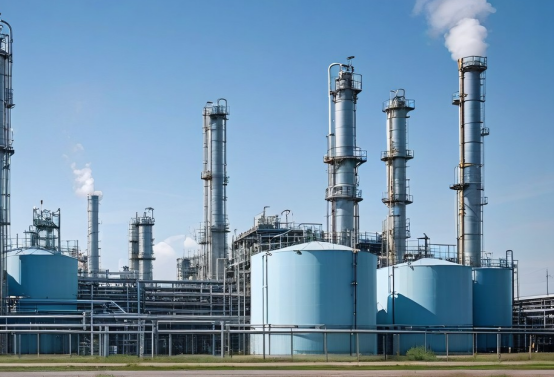
A Pitfall-Avoidance Guide for Selecting Bursting Discs in the Petrochemical Industry.
After understanding the three major killers of bursting discs, let's take a look at common issues in the selection process and corresponding strategies.
1. Ignoring operating parameters.
The risk is that variations in corrosion of different raw material batches, minor changes in operating temperature, and fluctuations in pressure frequency can all cause the same type of bursting disc to behave differently under different chemical conditions. It is recommended to complete research (including medium composition and corrosiveness, working pressure range, existence of back pressure, etc.) before selection.
2. Focusing only on price, not qualifications.
Petrochemical industry bursting discs are regulated by the state. If an unqualified product fails, it is not only a matter of equipment damage but may also involve legal liability. It is recommended to prioritize manufacturers with CE certification and ASME UD system certification when choosing a supplier.
3. Ignoring installation and maintenance regulations.
Improper installation is a common reason for premature failure or inability of the bursting disc to rupture. During installation, pay attention to the correct orientation; the bolts of the holder must be evenly tightened and the sealing surface intact; the flow direction indicator must match the medium flow; and during maintenance, ensure it is not used beyond its service life.
4. Confusing types of bursting discs.
For example, although dome-type and reverse dome-type are both bursting discs, their working principles and applicable scenarios are completely different. The following table can be referenced:
Comparison dimension | Dome-shaped burst disk | Reverse buckling rupture disc |
Direction of compression | Concave under pressure | Convex compression |
Fatigue resistance | General | Excellent |
Back pressure resistance | Weaker | Strong, can withstand full vacuum |
Fragments during explosion | There may be fragments | Fragment-free design |
Applicable scenarios | Static pressure, low pressure, pulsation-free | Pressure pulsation, back pressure, high requirements |
Price | Relatively low | Relatively high |
Product selection is an investment in safety. Although rupture disks are small, they bear the safety baseline of the entire system. We hope you spend more time researching the operating conditions, and even if it costs more, choose the appropriate material.
