
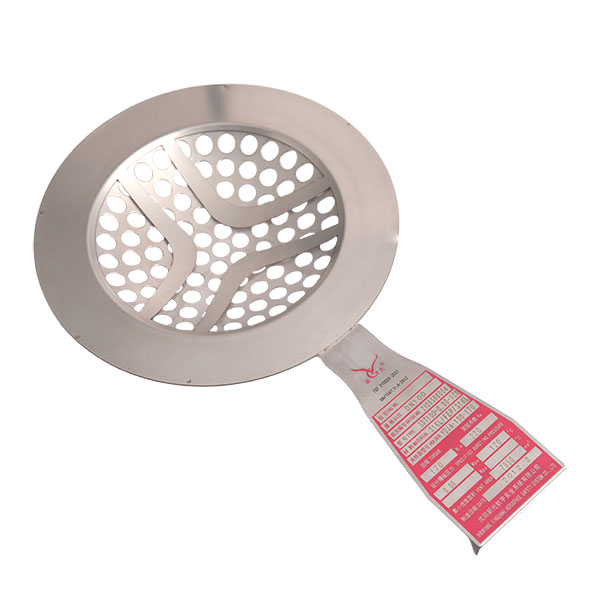
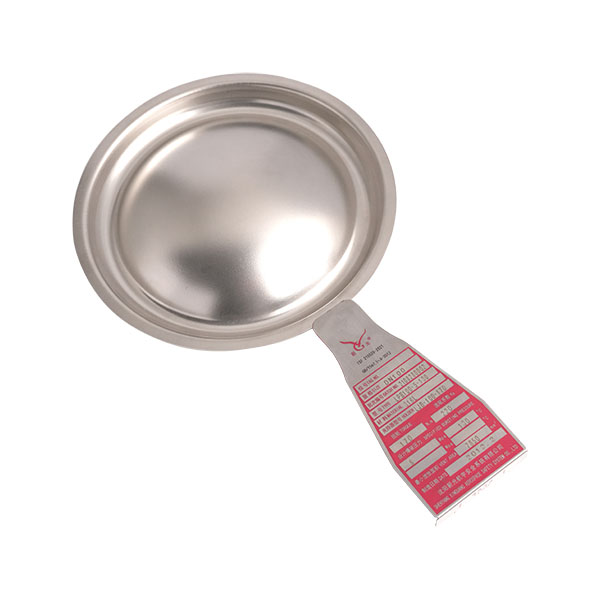
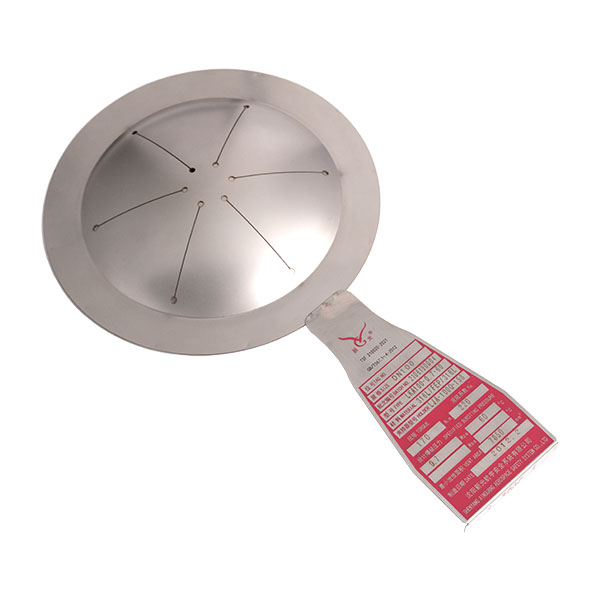
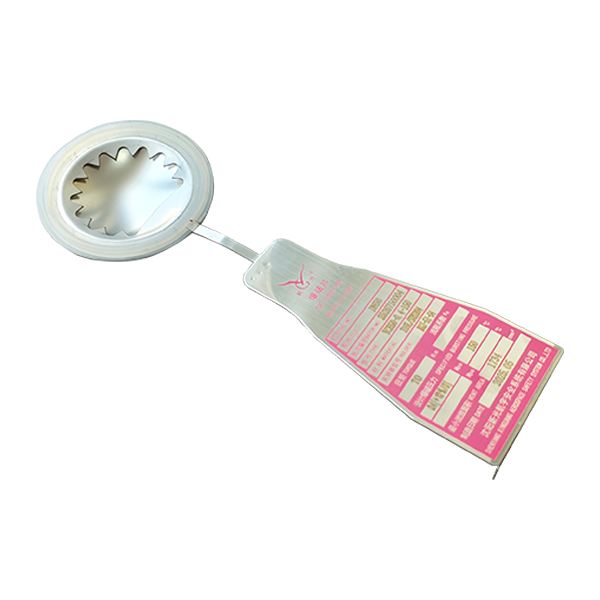
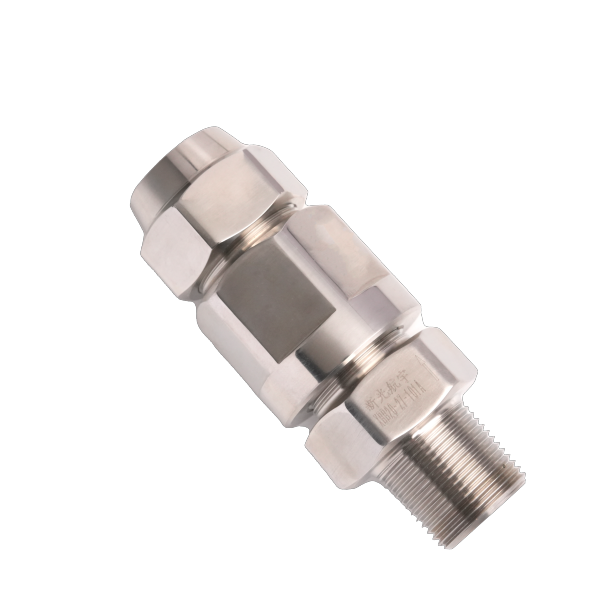
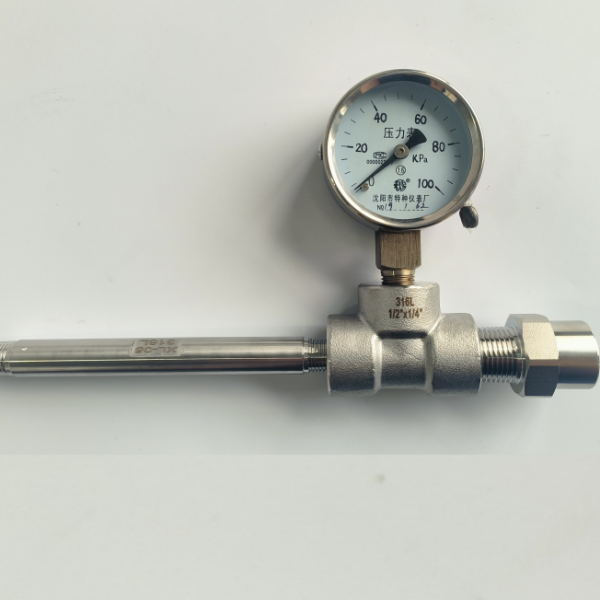
In industries such as petrochemicals, energy, power, and pharmaceuticals, rupture discs are critical safety components in pressure systems. Improper selection can lead to frequent accidental detonations and leaks, or even equipment damage and safety accidents.
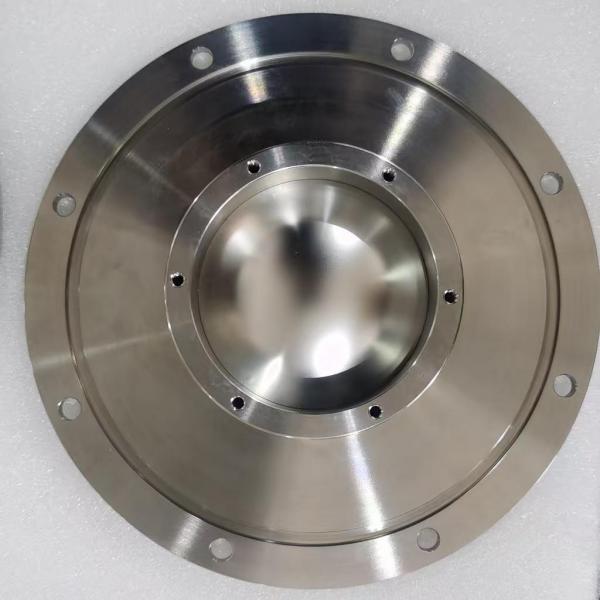
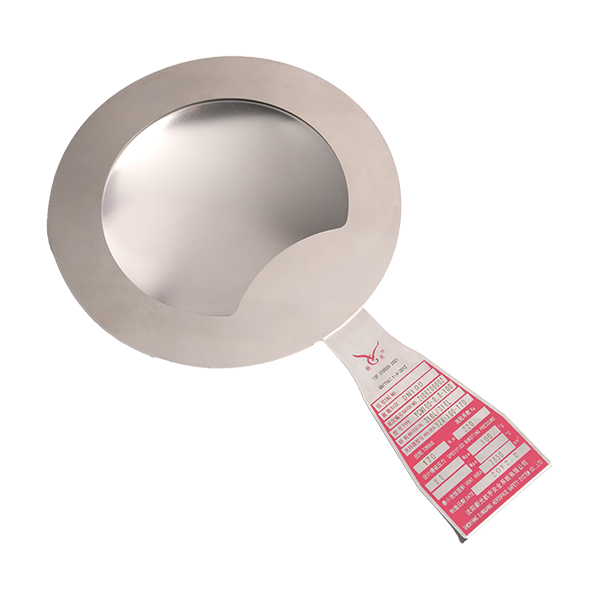
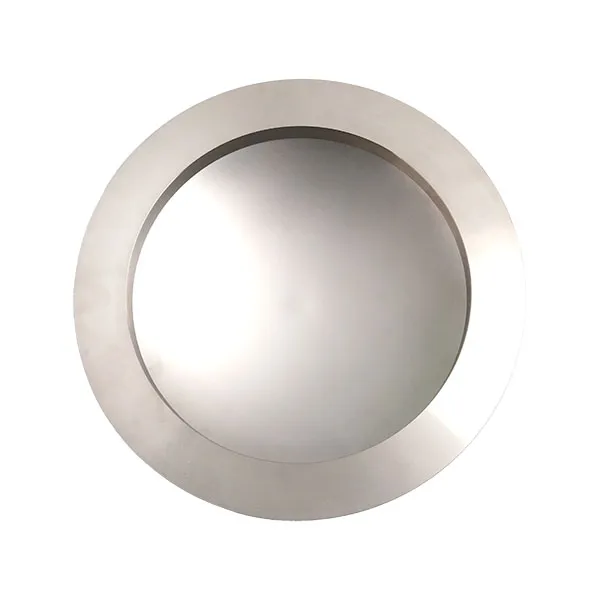
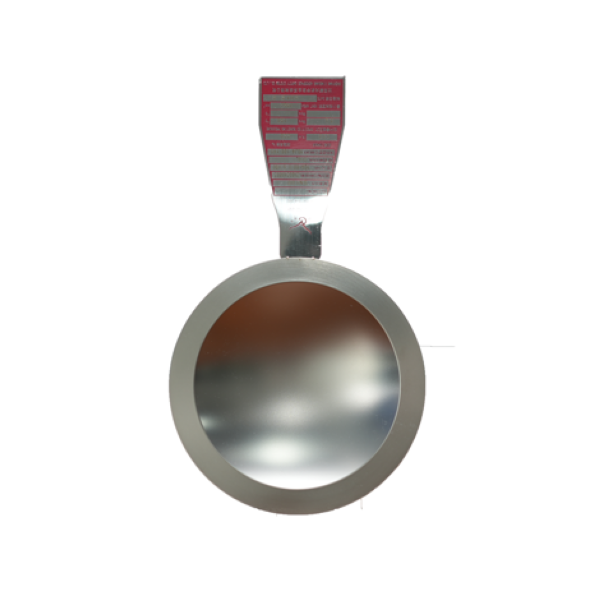
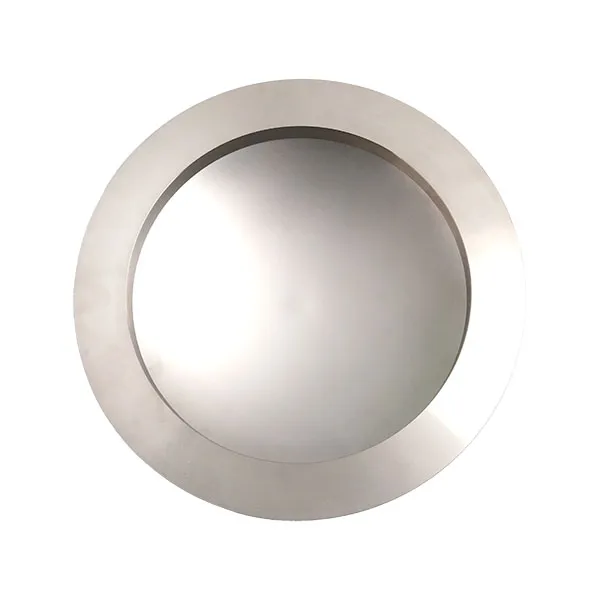
Our company's YJ anti-arch clamping rupture disc, for example, is widely used in demanding pressure systems due to its high precision, fatigue resistance, and strong anti-pulsation capabilities. So, what key factors should you focus on when selecting a rupture disc?
This article will analyze the issue from four core dimensions: "media type + operating conditions + material selection + burst pressure setting".
Differences in selection for different media types
1. Gas medium system.
Gas is compressible, and once it explodes, the pressure is released extremely quickly.
Key selection criteria:
The blasting reaction must be rapid, clean, and thorough.
High-precision blasting pressure control is required.
Prevention of malfunctions (system pulsation has a significant impact).
The reverse-arch type bursting disc offers significant advantages in gas systems:
Its reverse-pressure structure provides superior fatigue resistance.
It is suitable for high operating pressure ratios (typically reaching 80%-90% of the set burst pressure).
It is more suitable for high-fluctuation scenarios such as compressor outlets and gas storage tanks.
2. Liquid media systems.
Liquids are incompressible, and system pressure changes are typically more drastic, resulting in a stronger impact during an explosion.
Key selection criteria:
The pipe must be fully opened during blasting.
Prevent debris from entering the pipe.
The material must be corrosion-resistant and erosion-resistant.
For liquid systems:
The rupture disc should be designed as a debris-free structure.
Flow rate discharge requirements must be strictly matched.
The venting area should be carefully calculated.
3. Gas-liquid two-phase system.
This is the most complex case in terms of system selection.
Risks include:
Calculating burst pressure is complex.
Precisely estimating emission capacity is difficult.
Chronicity and erosion of the medium occur simultaneously.
For this type of system, it is recommended to:
Calculate emission capacity in advance.
Confirm actual operating parameters with the supplier.
Prioritize anti-arch type products with stable structure and strong fatigue resistance.
Material selection: directly determines lifespan and safety
Rupture discs operate under high pressure and corrosive media for extended periods; therefore, the choice of material directly impacts their service life and reliability.
Common materials include:
Stainless steel (general operating conditions).
Nickel-based alloys (highly corrosive environments).
Special alloy materials (high temperature and high pressure scenarios).
When selecting a model, the following should be clearly defined:
The composition of the medium (whether it contains acids, alkalis, sulfides, or chloride ions).
The operating temperature range.
Whether alternating pressure exists.
For highly corrosive or high-temperature systems, it is better to upgrade the material grade than to cut costs on safety components.
How should the blast pressure be set appropriately?
The blast pressure setting is not "the lower the better."
Key principles:
The burst pressure should be higher than the maximum working pressure.
The working pressure should typically not exceed 80%-90% of the burst setting.
Temperature correction factors must be considered.
System design standards (such as ASME/PED requirements) must be met.
The advantages of the inverted arch structure are:
It can operate stably for extended periods at higher operating pressure ratios.
It reduces the risk of accidental detonation due to fatigue.
It lowers the frequency of maintenance and replacement.
Three issues most easily overlooked in procurement:
1. Focusing solely on price while ignoring operating condition compatibility.
2. Failing to provide complete process parameters (temperature, pressure fluctuations, media composition).
3. Neglecting the compatibility of installation methods with compatible support brackets.
Especially for clamp-type structures, it is essential to confirm the flange standard, torque requirements, and sealing surface matching. Otherwise, even if the product itself is qualified, improper installation may cause leakage or performance degradation.
Conclusion: Product selection is essentially risk management.
Rupture discs are not ordinary consumables, but rather the "last line of defense" in pressure systems. For high-pressure, pulsating, or corrosive environments, choosing a reverse-arch clamping rupture disc—characterized by structural stability, high rupture accuracy, and strong fatigue resistance—is a safer and more cost-effective solution in the long run.
As a professional manufacturer with years of experience in pressure safety, our reverse-arch bursting discs are designed with high working pressure ratios, fatigue resistance, sealing reliability, and adaptability to complex operating conditions in mind. Our products are manufactured and tested strictly according to international standards, and we support customization of various materials and specifications to meet the needs of diverse applications involving gases, liquids, and corrosive media. We are committed to providing stable, reliable, and compliant pressure safety solutions to industrial customers worldwide.
