
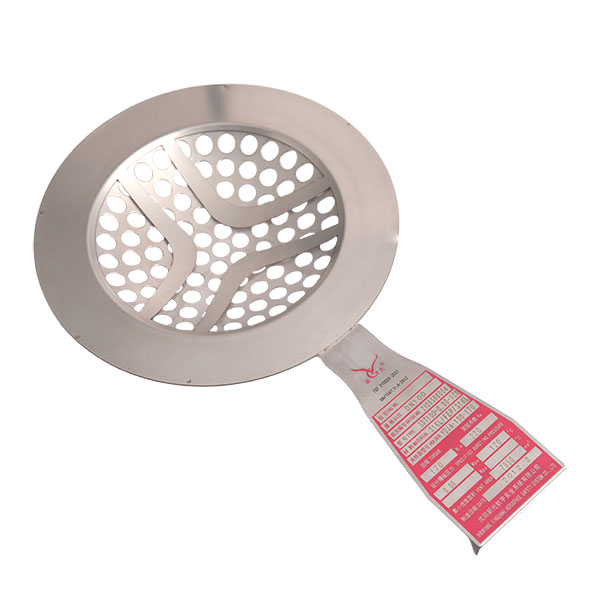
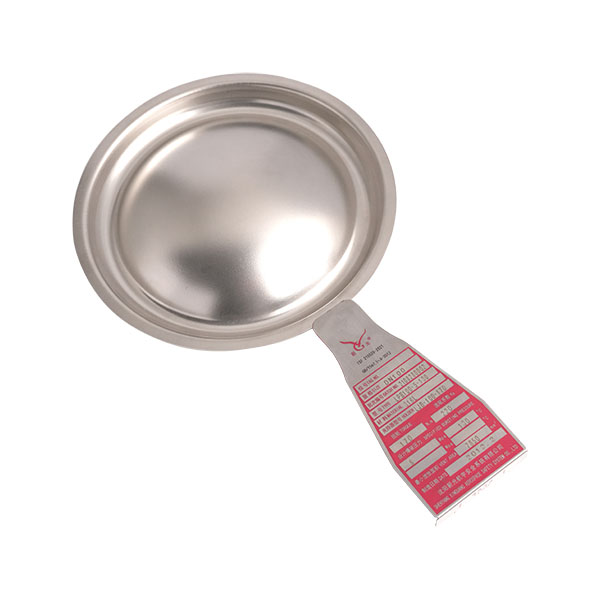
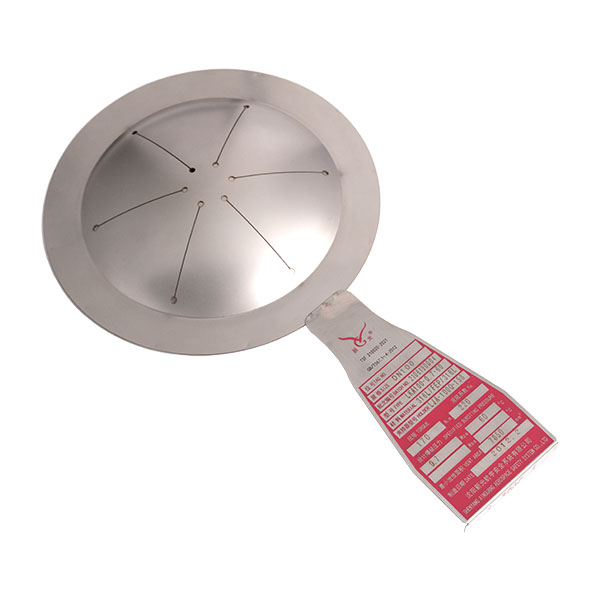
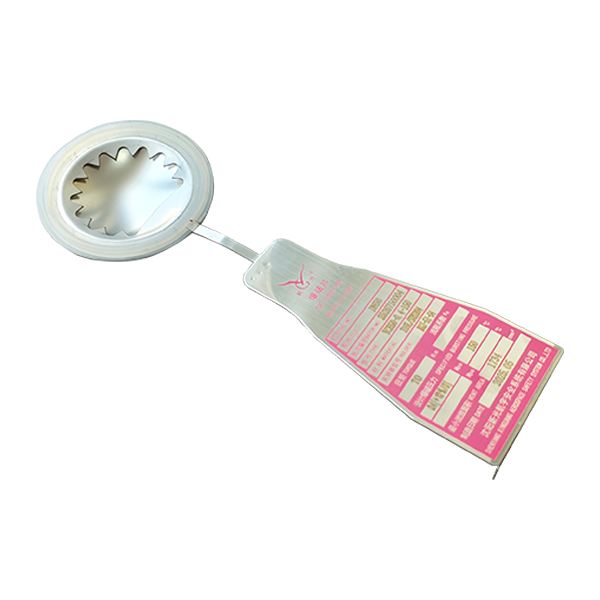
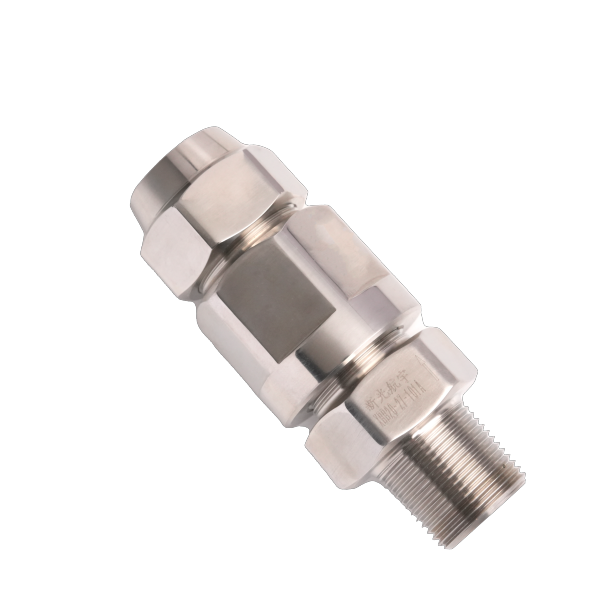
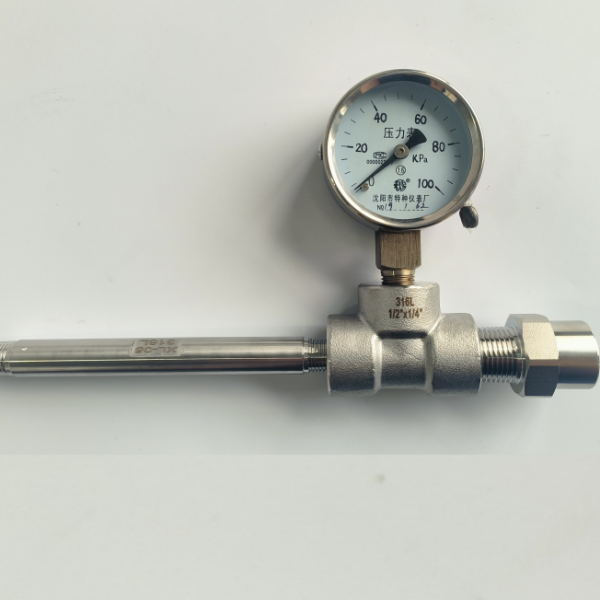
In pressure vessels, reactors, and piping systems, rupture discs are one of the most common and reliable passive overpressure protection devices. Based on material, rupture discs are generally divided into graphite rupture discs and metal rupture discs. While both serve the same safety function, they differ significantly in operating conditions, performance characteristics, and installation methods. Understanding these differences helps engineers make more informed selection decisions in real projects.
Material Characteristics.
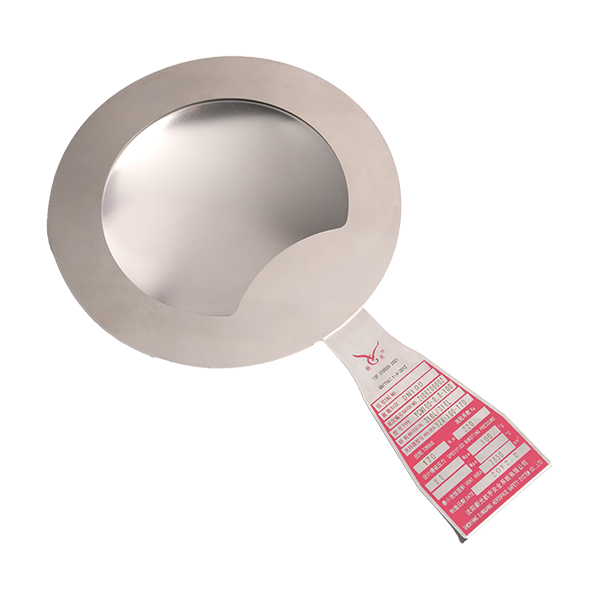
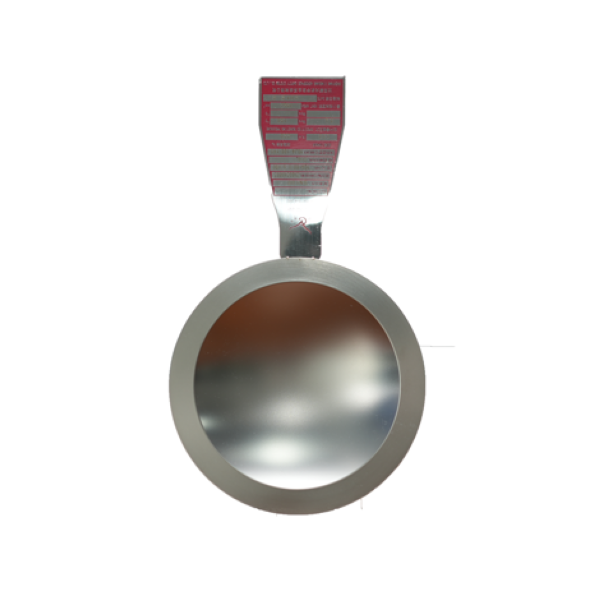
Metal rupture discs are typically made from stainless steel, nickel-based alloys, or other metallic materials. They offer high mechanical strength and good ductility, making them suitable for applications with frequent pressure fluctuations and higher fatigue resistance requirements. However, in highly corrosive media or high-purity systems, metal materials may corrode or release metal ions, which can pose a risk of process contamination.
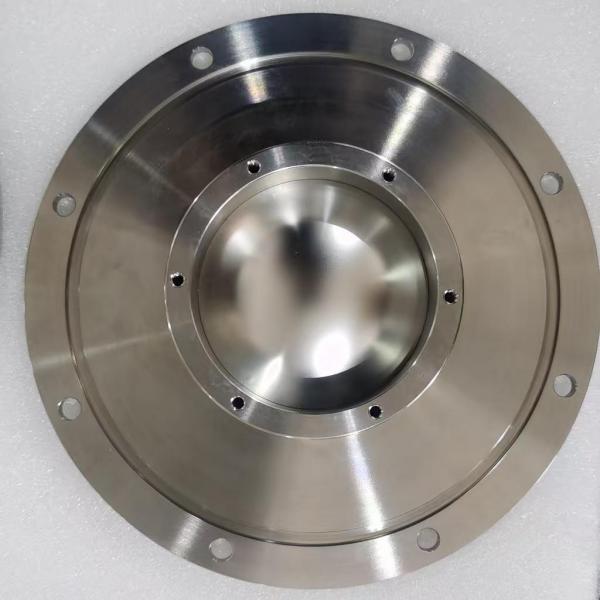
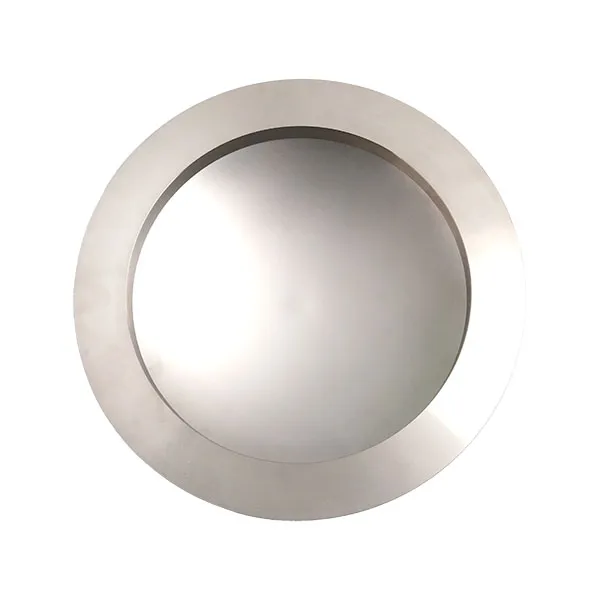
In contrast, Graphite rupture discs are manufactured from high-purity graphite. Graphite naturally provides excellent corrosion resistance and remains stable when exposed to most acids, alkalis, and organic solvents. Because of this, graphite-based discs are widely used in chemical processing, fine chemicals, and pharmaceutical applications where corrosion resistance and media purity are critical.
Temperature Resistance and Operating Conditions.
Metal rupture discs can operate across a wide temperature range, but their performance may degrade more quickly under combined high-temperature and highly corrosive conditions, which can shorten service life.
High-temperature graphite rupture discs perform more consistently in such environments. Our graphite rupture discs are designed to operate reliably in temperatures ranging from –50°C to 200°C, making them well suited for high-temperature reaction systems and corrosive service conditions. For even harsher chemical environments, PTFE or FEP liners can be added to further enhance chemical resistance.
Installation Flexibility and System Compatibility.
From an installation standpoint, metal rupture discs are usually installed with dedicated holders to ensure uniform loading and accurate burst pressure.
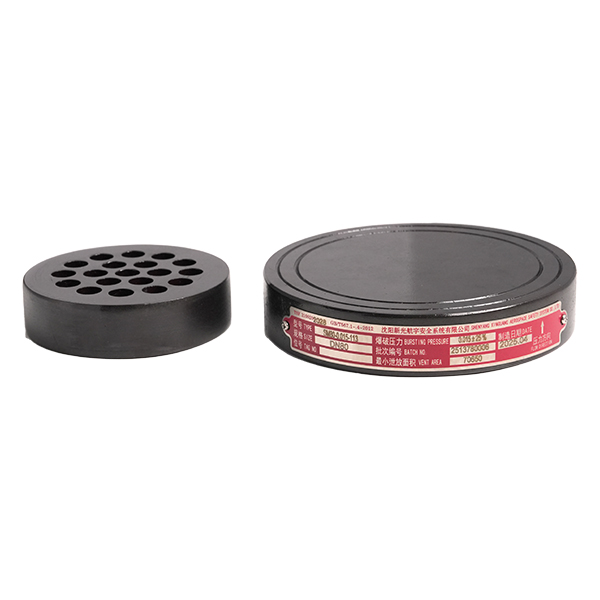
Graphite rupture discs offer greater installation flexibility. They can be installed directly between flanges or used together with a holder, making them easier to integrate into existing piping systems. Under stable operating conditions, the allowable working pressure can reach up to 80% of the minimum burst pressure. When pressure fluctuations are present, it is recommended to limit operation to 60%. For systems involving vacuum conditions, a perforated support is required to provide proper backing and prevent disc damage.
Burst Behavior and Safety Considerations.
When metal rupture discs burst, they typically open by tearing or reverse buckling. The resulting fragments are generally well controlled, which allows metal discs in some applications to be installed in series with safety relief valves as part of a combined protection strategy.
Graphite rupture discs behave differently. Upon overpressure, they release pressure by fragmenting, which provides fast response but generates graphite debris. For this reason, Graphite rupture discs should not be installed in series with safety valves and are usually used as standalone pressure relief devices. This characteristic should be carefully considered during system design.
Selection Guidance and Service Support.
In general, metal rupture discs are better suited for applications with frequent pressure cycling and low corrosion risk. For systems involving high corrosion, elevated temperatures, or strict purity requirements, graphite rupture discs are often the more reliable choice.