
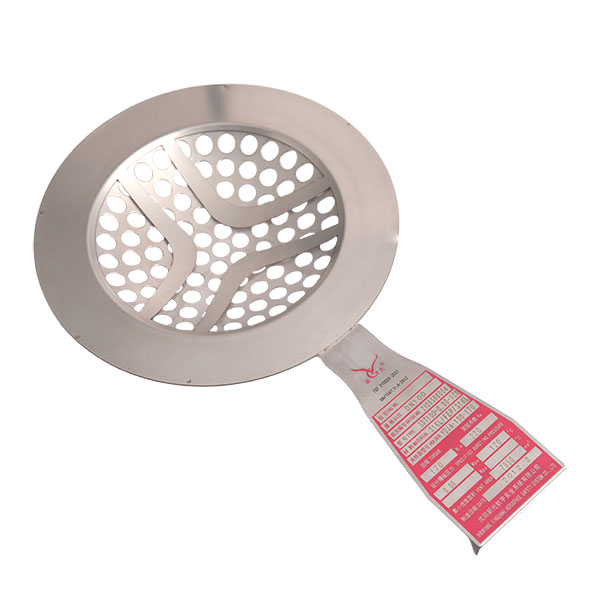
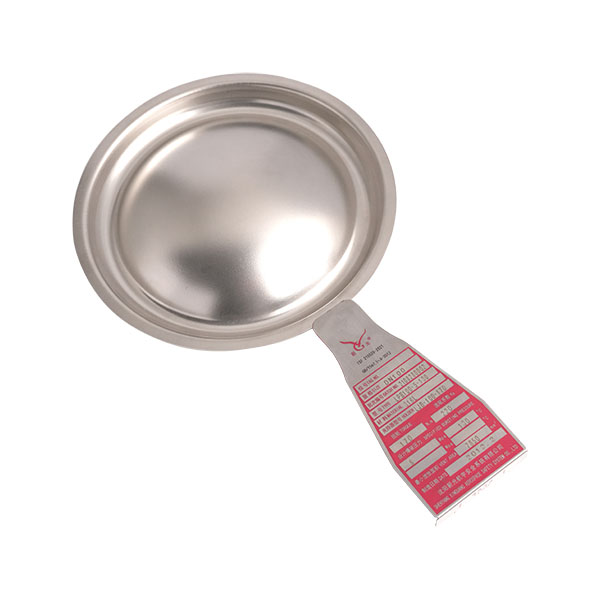
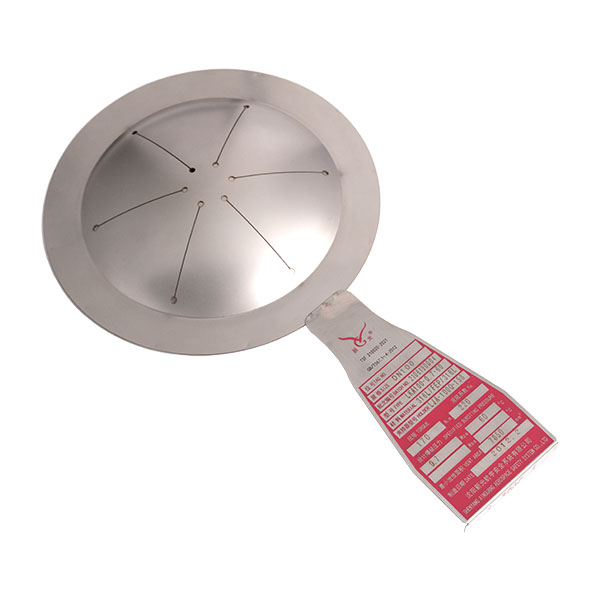
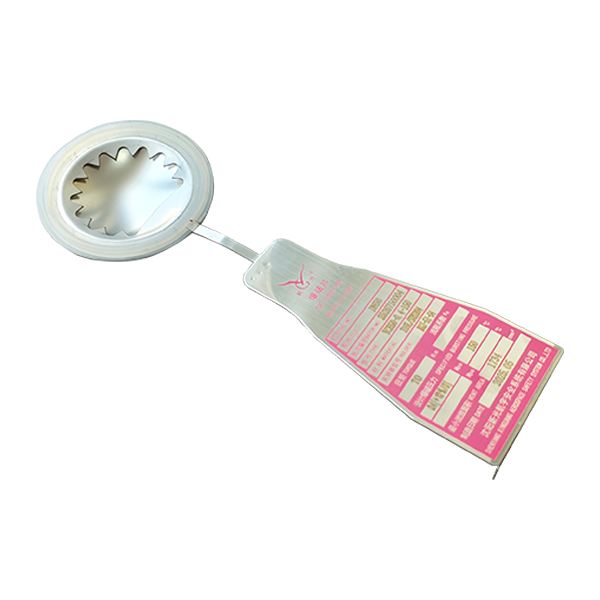
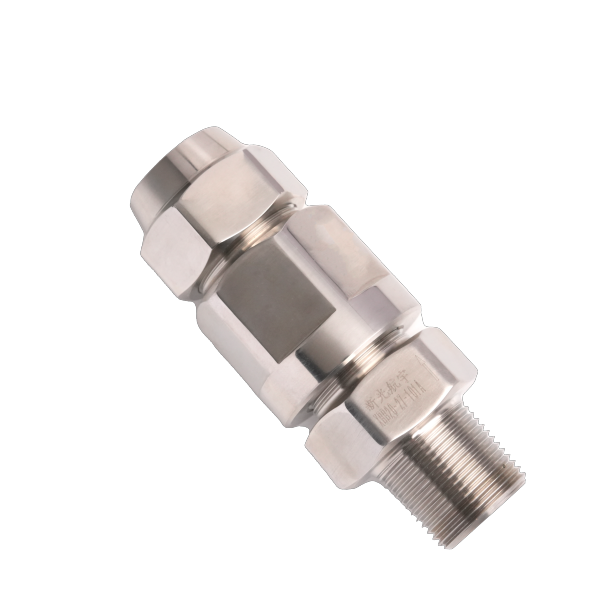
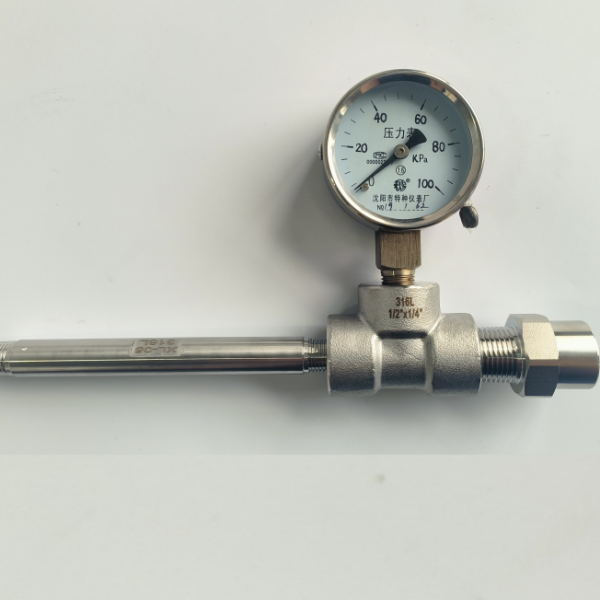
A rupture disc is the last line of safety for a pressure vessel. It is not meant to 'regulate pressure,' but instead, it sacrifices itself to ensure the safety of equipment and personnel when pressure goes out of control. Properly designing the pressure burst value is something every industrial producer needs to pay attention to. If the design pressure is too high, it won't burst when it should, and the vessel may explode; if the design pressure is too low, it may burst prematurely when it shouldn't, affecting the production line. This article will help you understand how to scientifically set the rupture disc pressure.
5-Step Calculation Method — The Complete Path from Operating Conditions to Values.
Step 1: Determine the basic operating conditions.
In industrial production, it's necessary to know the Maximum Allowable Working Pressure (MAWP) of the equipment being protected. This is the starting point for all calculations. At the same time, confirm the operating temperature (which affects material strength), the characteristics of the medium (gas/liquid/corrosiveness), and other factors. Without an accurate MAWP, all subsequent calculations will be inaccurate.
Step 2: Determine the operating ratio.
Choose the corresponding operating ratio based on the structure type of the rupture disc (Operating Ratio = Maximum Working Pressure of the vessel / Minimum Rated Burst Pressure of the rupture disc). The operating ratio determines the safety margin between the working pressure and the burst pressure. Different types of rupture discs have different operating ratios; for example, a reverse dome type can have an operating ratio up to 90%, meaning the working pressure can be closer to the burst pressure, thus increasing system economy.
Step 3: Calculate the minimum rated burst pressure.
Divide the MAWP from Step 1 by the operating ratio from Step 2 to get the lower limit of the burst pressure. The resulting value is the safety baseline. If the actual burst pressure is below this value, the rupture disc could burst under normal operation, causing unplanned consequences.
Step 4: Apply the manufacturing tolerance.
Based on the customer's required rated pressure, the manufacturer’s allowable production tolerance range (usually ±3%~10%) should be added. This is because any batch of rupture discs has manufacturing variability. If manufacturing tolerance is not considered, the actual burst pressure of the product could be up to 10% higher than the nominal value, surpassing the safety limit.
Step 5: Verify the pressure relationship with the vessel.
Ensure that the maximum possible burst pressure of the rupture disc is lower than the vessel's design pressure. This further ensures compatibility between the rupture disc and the vessel's pressure rating; even if the disc bursts at the upper limit of the allowed tolerance, the vessel can still safely withstand it.
Based on the above five steps, the following summary can be made: to reasonably design the rupture pressure, the following issues need to be focused on:
1. How much pressure the equipment can withstand at maximum.
2. What type of rupture disc to choose.
3. What is the minimum threshold of rupture pressure.
4. How to consider the fluctuations in the production process.
5. Whether the final selection will exceed the vessel's limit.

Why is setting the correct pressure so important? — Three Core Concerns.
When actually using a rupture device, the essential concern is not 'what is the design pressure,' but 'that my equipment will not have an accident.' Are the following the risk dimensions you are most concerned about?
1. Safety Risk.
It is believed that all users are most concerned about equipment overpressure explosions causing casualties. The essence of this problem is that the rupture disc pressure is set too high—the pressure has reached the container's limit, but the rupture disc has not yet acted.
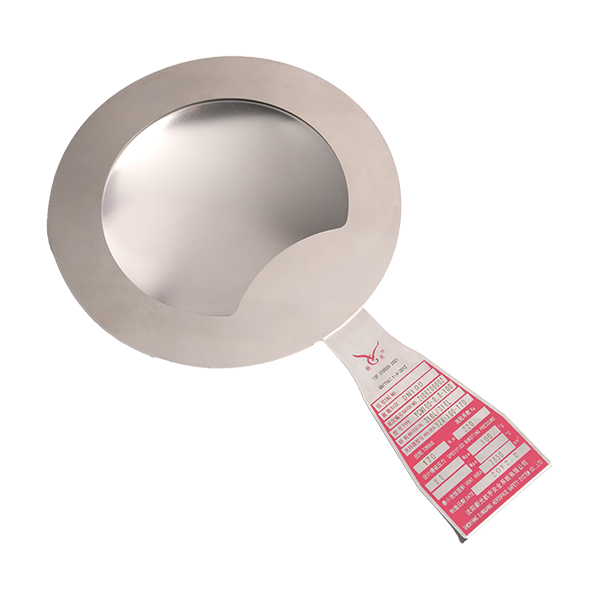
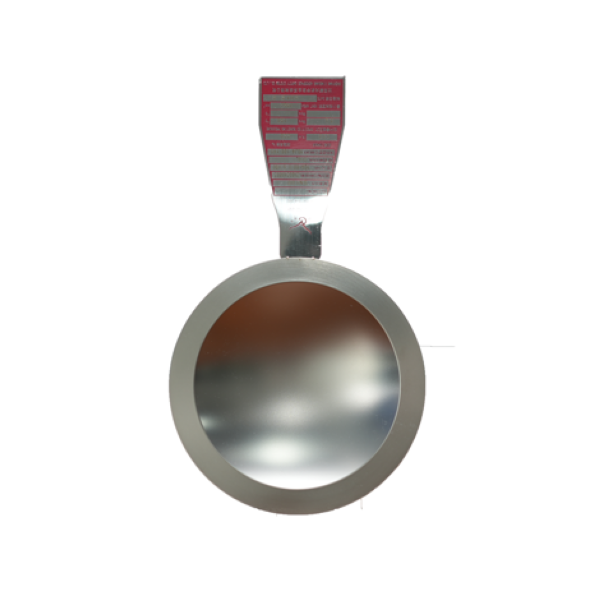
Therefore, to avoid this kind of risk, a 'double-check' mechanism can be established for key pressure points. During the selection stage, the minimum rated burst pressure of the rupture disc and the container's maximum working pressure must never be too close to each other; during the verification stage, before installing the rupture disc, forcibly check the match between the 'rated burst pressure' on the disc's nameplate and the container design pressure; during the protection stage, for high-pressure or high-hazard media, a safety valve can be installed downstream of the rupture disc to form a double protective barrier.
2. Operational Risk.
The essence of this problem is that the rupture disc pressure is set too low, and normal pressure fluctuations trigger the burst, potentially causing sudden production line shutdowns and the need to replace the rupture disc after release. The operating ratio mentioned earlier is also designed for this; a reverse dome operating ratio can reach 90%, meaning it can withstand working conditions closer to the burst pressure without premature failure. The ordinary forward dome type is only 70%, requiring a larger safety margin.
Therefore, to address this type of problem, selection can be tailored according to pressure fluctuations. Install a pressure transmitter upstream of the rupture disc and set an alarm value (e.g., alarm value = 85% of burst pressure). When the pressure approaches this value, intervene early in the process to prevent repeated impacts on the rupture disc.
3. Compliance Risk.
The choice of rupture disc must be technically compliant and meet standard industry requirements. If the design pressure does not meet the corresponding standards, it cannot pass inspection. Especially for global markets, ASME certification is required.
Purchasers should note that compliance is not just a 'stamp' issue but a core condition for whether the project can be delivered on time. There are many cases where equipment selection did not meet local standards and was rejected upon export.
In summary, setting the correct rupture disc pressure is about finding a balance among safety, operation, and compliance that is both practical and verifiable. The measures mentioned above are crucial for ensuring industrial production safety. We hope that while paying attention, you can also gradually establish the selection decision-making process.
