
As a critical safety pressure-relief device, rupture discs are widely utilized in various pressure vessels and piping systems. However, during the actual selection process, many users encounter a common dilemma: What exactly is the difference between flat-type rupture discs and reverse-domed rupture discs? And how should one choose between them?
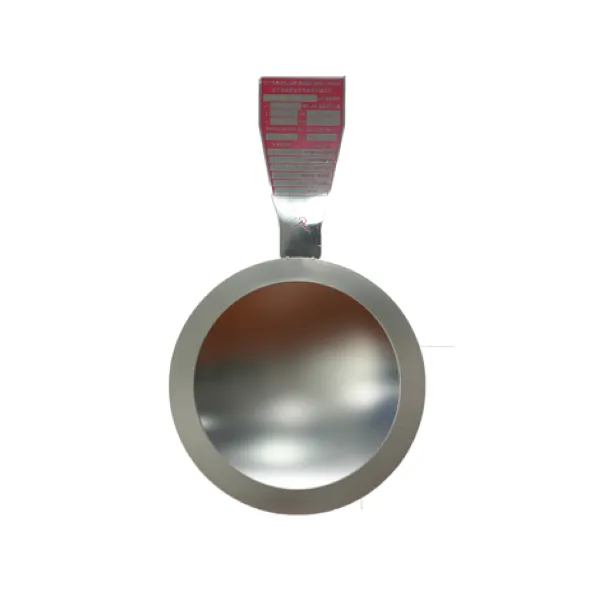
I. What is Flat Rupture Disc?
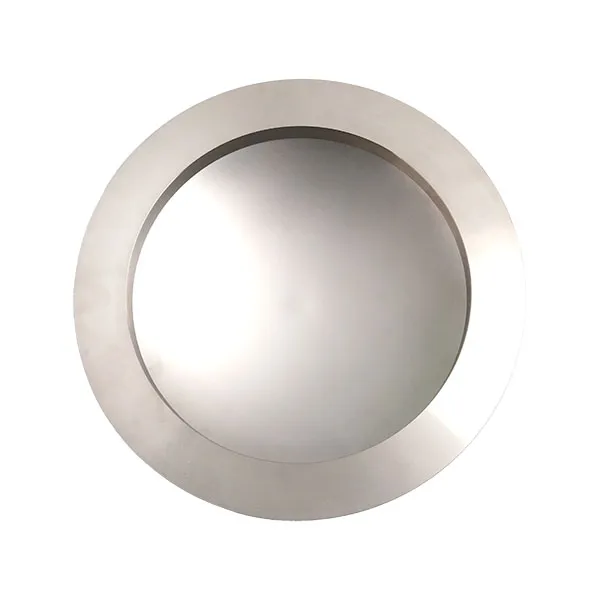
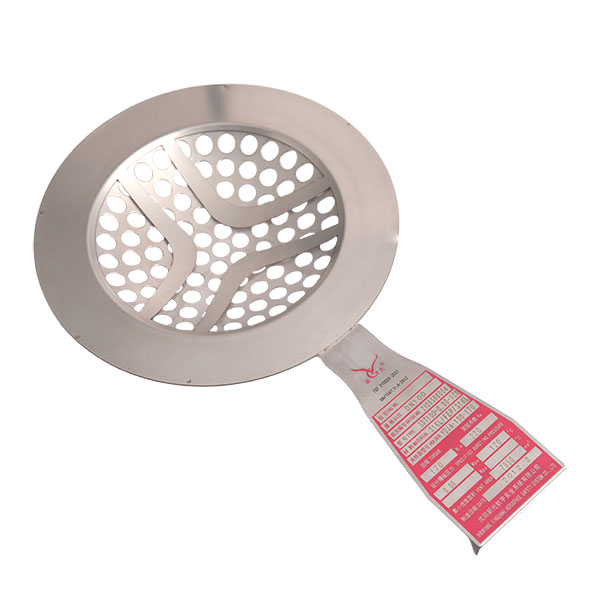
Flat Rupture Disc refers to a type of flat rupture disc with a relatively simple structure. It is typically fabricated from thin metal foils or composite materials. As pressure gradually rises, the disc membrane is subjected to tensile stress; once the preset burst pressure is reached, the membrane ruptures directly under tension, thereby achieving pressure relief. Structurally, Flat Rupture Disc lacks a pre-formed domed shape and does not require complex manufacturing processes; consequently, its production costs are relatively low, and its lead times are short. This explains why it is widely adopted in various basic industrial applications. However, Flat Rupture Disc also possesses a distinct characteristic: throughout its operational cycle, the membrane remains under constant tensile stress. According to industry experience, when the system's long-term operating pressure approaches 70%–80% of the burst pressure, the membrane becomes susceptible to fatigue damage, which can lead to a deviation in the actual burst pressure or even premature failure.
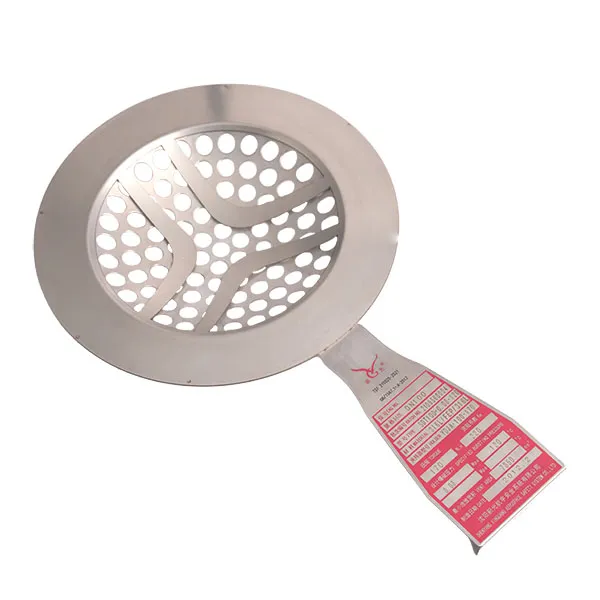
II. What is Reverse Buckling Rupture Disc?
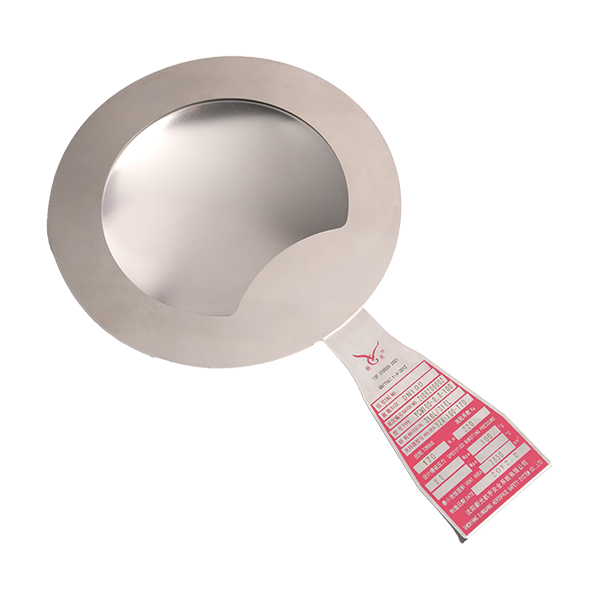
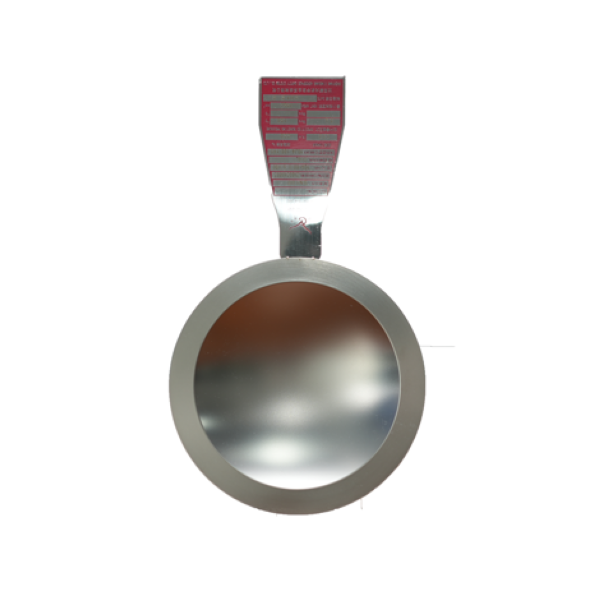
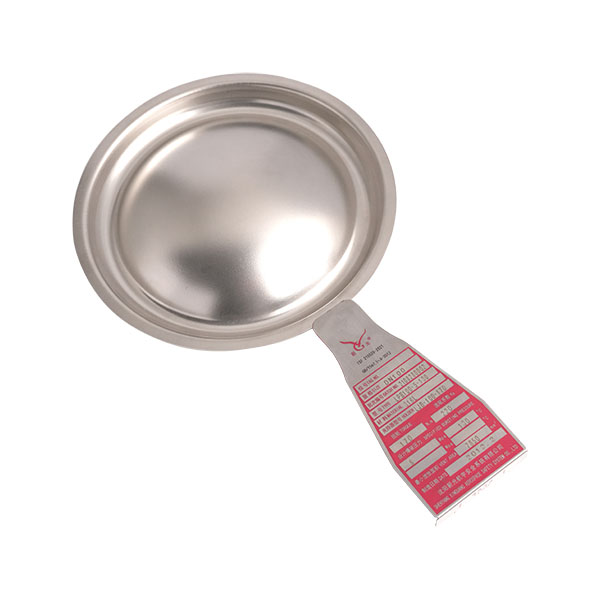
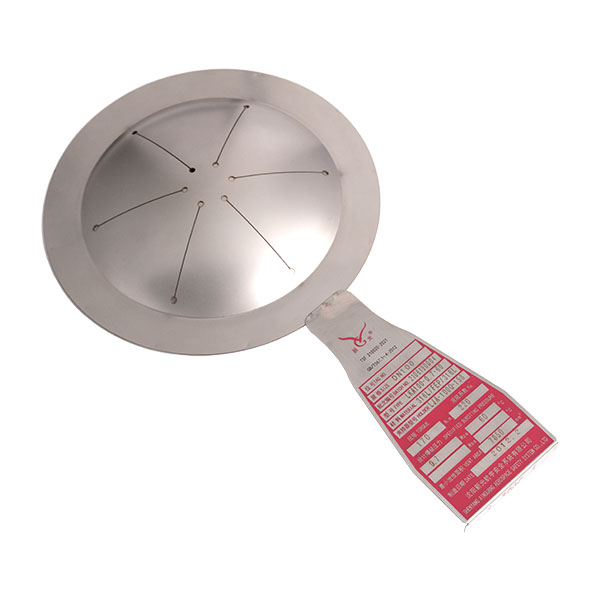
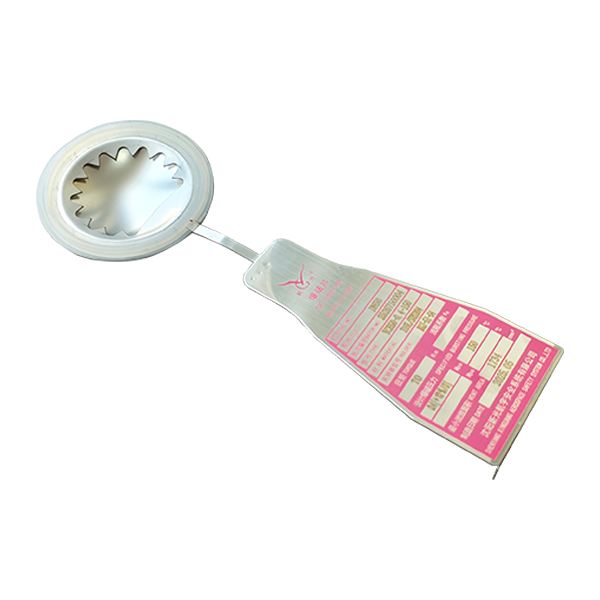
When installed, the Reverse Buckling Rupture Disc rupture disc is subjected to reverse pressure; the system pressure acts upon the convex (outer) side of the dome, maintaining its structural stability. As the pressure gradually increases and reaches the preset threshold, the membrane undergoes instantaneous structural instability—abruptly inverting from its original reverse-domed configuration—and then rapidly opens via pre-scored grooves to achieve pressure relief.
The primary advantage conferred by this structural design is that, under normal operating conditions, the Reverse Buckling Rupture Disc rupture disc is subjected primarily to compressive stress rather than tensile stress. Data from numerous experiments conducted by Xinguang demonstrate that Reverse Buckling Rupture Disc can operate stably over extended periods within a pressure range of 80%–90% of its burst pressure without significantly compromising its service life.
III. What are the Core Differences Between the Two?
1. Stress Mechanism: During operation, Flat Rupture Disc is subjected to tensile stress, whereas Reverse Buckling Rupture Disc is subjected primarily to compressive stress. Since materials generally exhibit greater stability under compressive stress, the reverse-domed design offers a structural advantage.
2. Service Life: Flat Rupture Disc is prone to fatigue under high-load conditions, and its typical service life ranges from 1 to 2 years (depending on specific operating conditions). In contrast, under identical conditions, the service life of Reverse Buckling Rupture Disc can be extended by 30%–50%—or even more. 3. Accuracy: The bursting pressure tolerance for Flat Rupture Disc-type rupture discs typically falls within ±5% to ±10%, whereas the Reverse Buckling Rupture Disc-type—thanks to its superior structural stability—can maintain a tolerance of ±3% to ±5%.
4. Manufacturing Process: The manufacturing process for reverse-domed rupture discs is more complex; consequently, their cost is typically 20% to 40% higher than that of flat-type discs. For certain simple operating conditions, the use of reverse-domed discs may not be necessary.
References and Notes
This information has been compiled based on general industry technical literature and XinGuang’s practical engineering experience, drawing upon sources such as pressure vessel safety codes, rupture disc application manuals, and summaries of relevant test data. Specific parameters may vary depending on the manufacturer's design and the specific operating conditions. For actual product selection, it is recommended to align choices with specific project requirements and to consult with a professional manufacturer for technical verification.
