
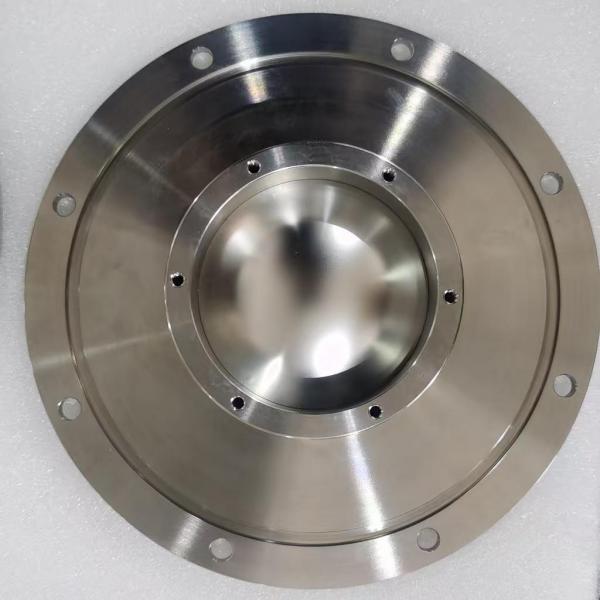
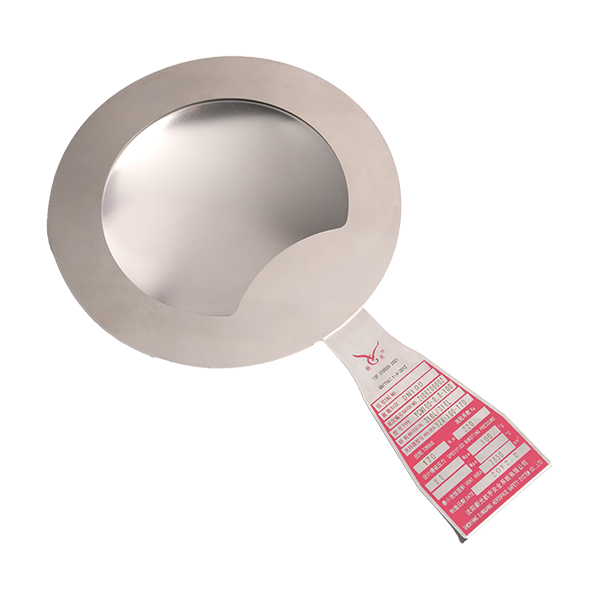
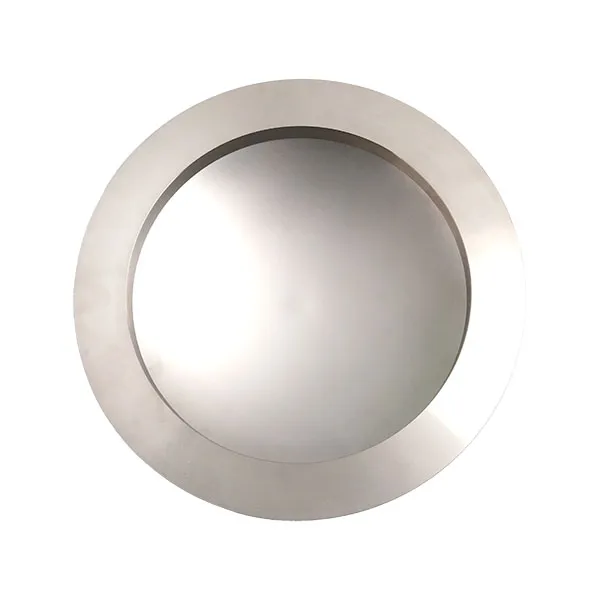
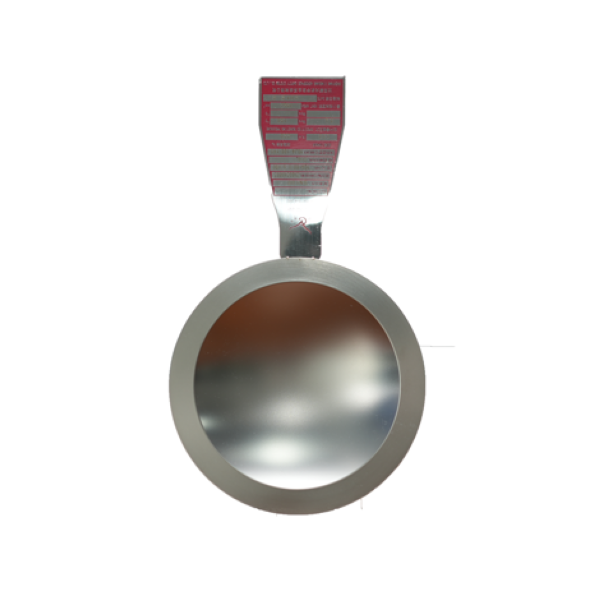
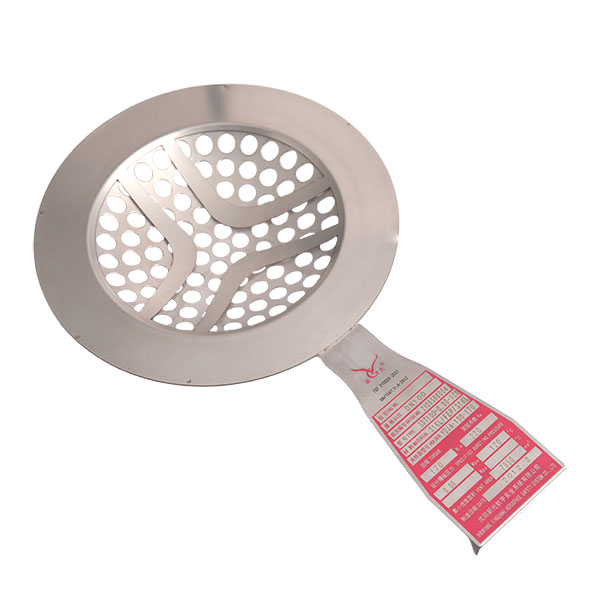
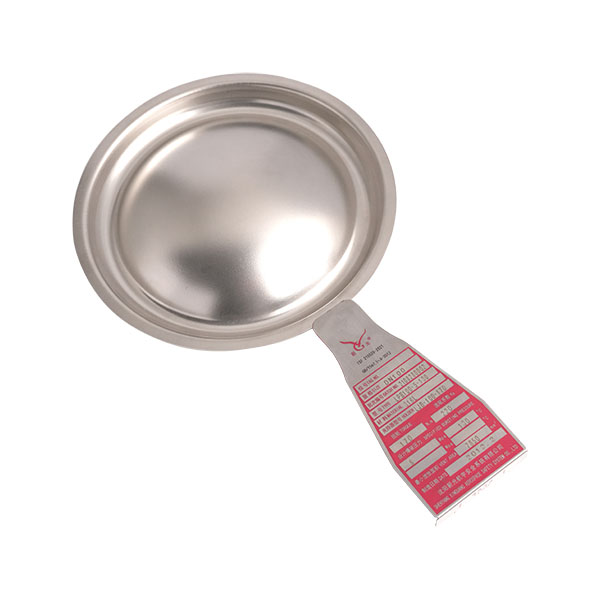
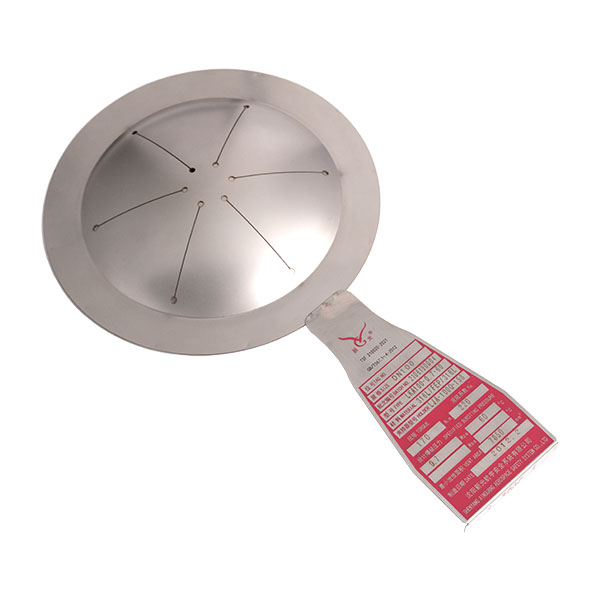
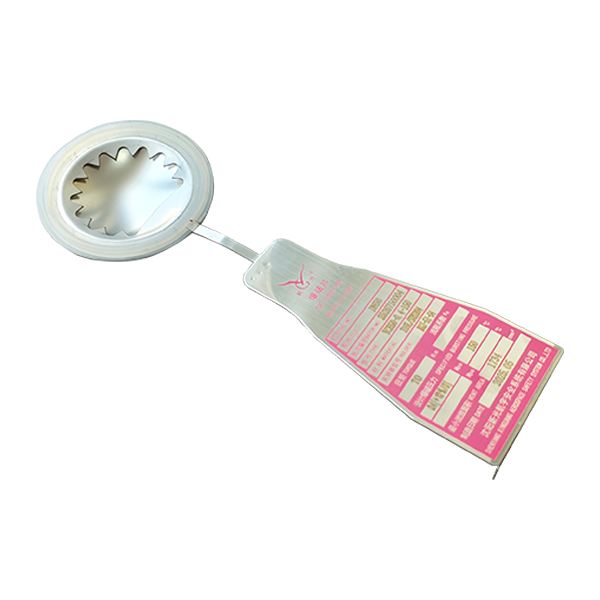
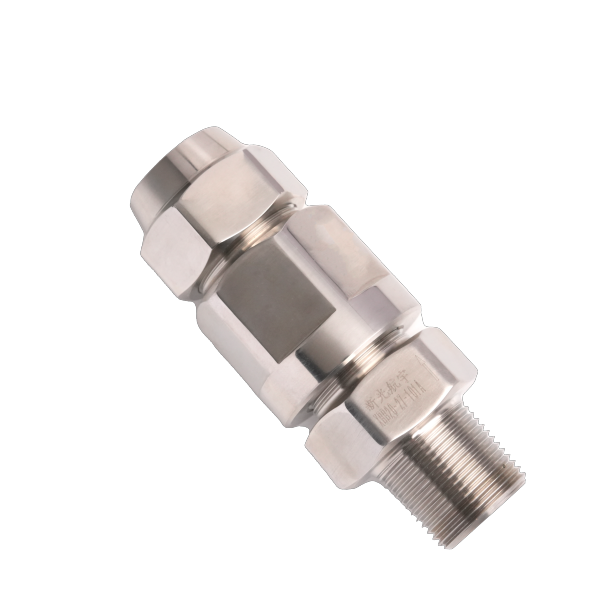
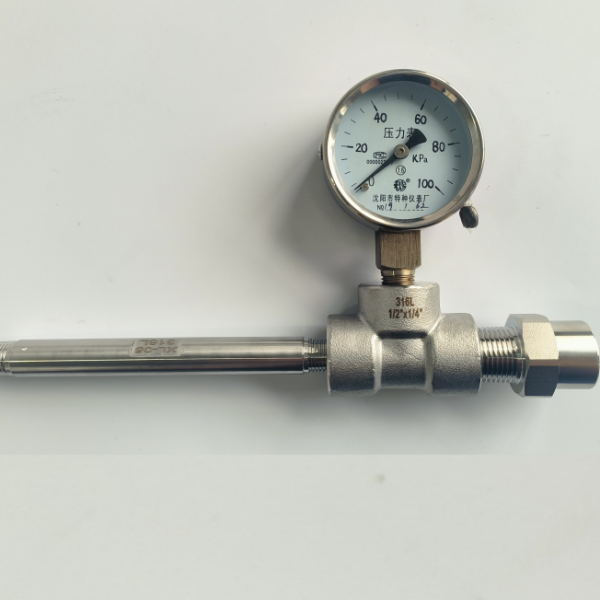
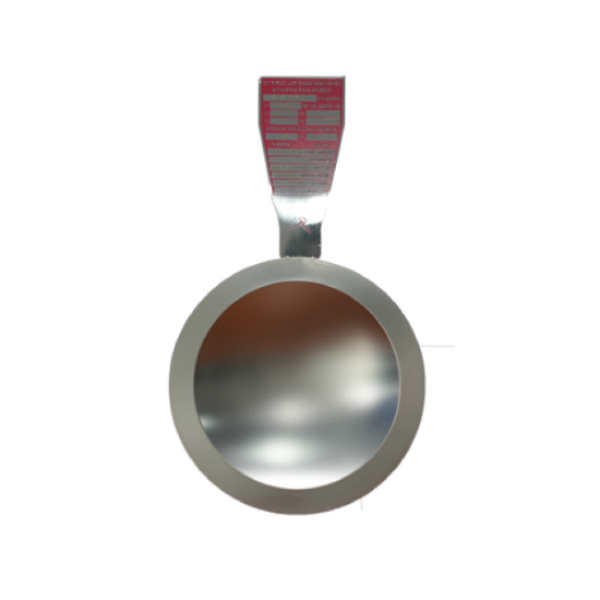
In industries such as petrochemicals, natural gas, pharmaceuticals, food, and energy, the Reverse Arch Blade Type Bursting Dischas become a common pressure protection solution. It offers a high operating pressure ratio, excellent fatigue resistance, and more stable burst pressure control. Compared to forward arch structures, the Reverse Arch Blade Type Bursting Disc often proves more reliable under long-term exposure to pulsating pressure or when operating close to the set burst pressure. Consequently, in engineering projects with high demands for equipment safety and continuous operation, an increasing number of technicians prioritize this structure.
However, even with advanced product design, improper selection, installation, or usage can lead to premature failure or abnormal operation. Therefore, special attention must be paid to the following key aspects in practical applications.
Correctly Understanding the Relationship Between Operating Pressure and Burst Pressure Setting
A significant advantage of the Reverse Arch Blade Type Bursting Disc is its allowance for a high operating pressure ratio, typically reaching 80% to 90% of the burst pressure setting. However, this does not mean it can operate infinitely close to the limit.
During the selection phase, full consideration should be given to:
The system's maximum continuous operating pressure.
Instantaneous pressure peaks.
The amplitude of fluctuations during start-up and shut-down cycles.
If the long-term operating pressure frequently approaches the burst point, even a reverse arch structure may experience accelerated fatigue accumulation. Therefore, it is recommended to maintain a reasonable safety margin and perform calculations based on the actual operating conditions.
Considering the Impact of Pulsating Pressure and Cyclic Loads
The Reverse Arch Blade Type Bursting Disc exhibits excellent resistance to pulsation. However, if the system has high-frequency pressure fluctuations (e.g., compressor outlets, pumping systems), the impact of cycle counts on material life still needs evaluation.
In high-frequency pulsation scenarios, special attention should be paid to:
The amplitude of pressure fluctuations.
The average number of daily cycles.
The presence of impact-type transient pressures.
If necessary, consider adding buffer devices or vibration damping measures in the system design to reduce the impact on the bursting disc at the source.
Strict Adherence to Installation Direction and Torque Control
The Reverse Arch Blade Type Bursting Disc has a specific installation direction. Incorrect installation will directly lead to malfunction or premature rupture.
Therefore, during installation, it is essential to confirm:
The correct pressure application direction on the disc.
Whether the flange sealing surface is clean and flat.
Whether the bolt tightening torque is uniform and meets specifications.
Excessive torque can cause abnormal stress on the disc membrane, while insufficient torque may lead to leakage or seal failure. The installation phase is a frequent source of field issues and must be strictly executed according to the technical instructions.
Paying Attention to Medium Corrosion and Temperature Effects
Even high-grade stainless steel or alloy materials can undergo gradual performance changes in highly corrosive or high-temperature environments. Corrosion may thin the disc membrane, altering the burst pressure; temperature changes can affect material strength, thereby causing a shift in burst pressure.
Therefore, during the selection phase, it is necessary to specify:
The composition of the medium (including presence of chloride ions, acids, alkalis, sulfides).
The maximum and minimum operating temperatures.
The possibility of sudden temperature changes.
For complex media, priority should be given to selecting materials with a higher corrosion resistance grade and performing temperature correction calculations.
The Importance of Regular Inspection and Preventive Replacement
As a safety protection component, bursting discs typically do not activate under normal conditions. However, they may still be affected by fatigue or corrosion over extended operation.
It is recommended to conduct regular inspections based on system operating records, including:
Checking for visible signs of deformation or corrosion.
Checking for looseness in flange connections.
Checking for any abnormal leakage.
For critical systems, a preventive replacement schedule can be established rather than waiting for a problem to occur.
Conclusion
The Reverse Arch Blade Type Bursting Disc offers distinct technical advantages in modern pressure systems. However, achieving truly long-term, stable operation depends on appropriate selection, standardized installation, and scientific maintenance.
From an engineering perspective, a bursting disc is not merely a simple consumable item; it represents the ultimate safety barrier for the pressure system. Neglect of any detail can introduce potential risks.
If you are selecting a for high-pressure or high-pulsation conditions, please feel free to contact us in the early stages of your project. Based on your specific operating conditions, we can assist in evaluating the process parameters and provide suitable specification and material options, helping your system achieve safer, more stable, and more reliable long-term operation.
