
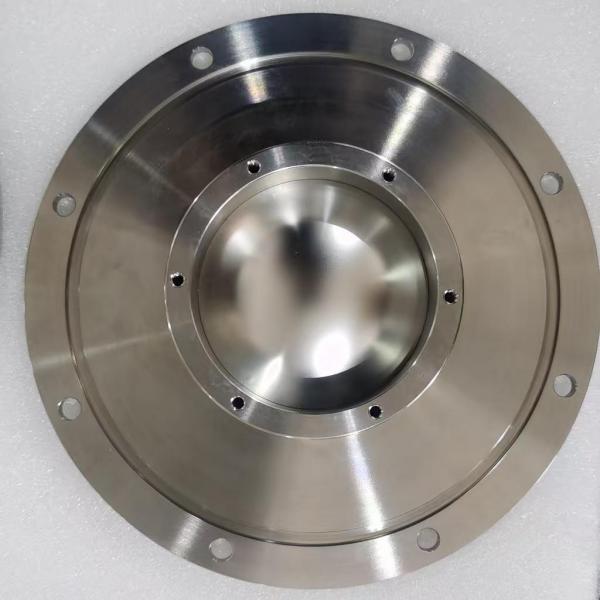
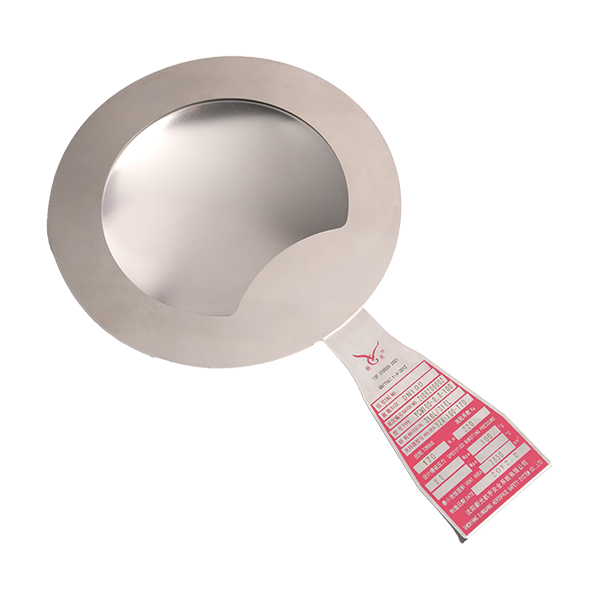
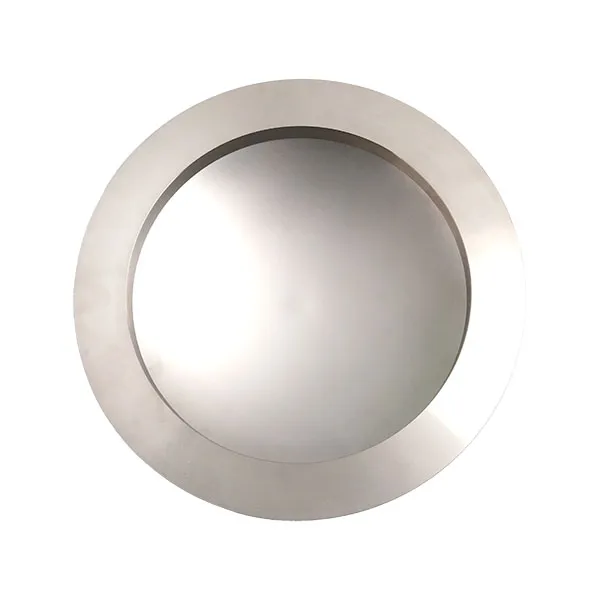
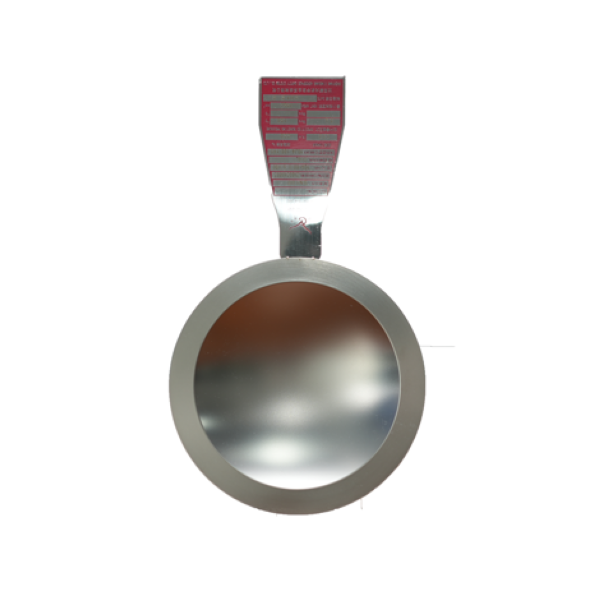
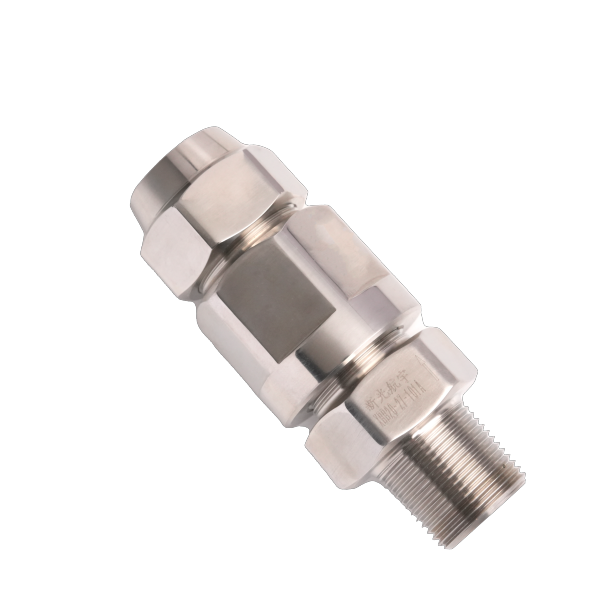
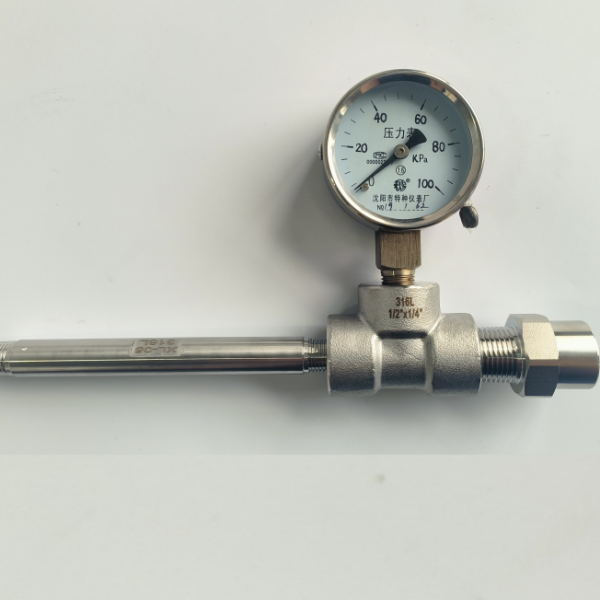
A Safety Rupture Disc is a pressure relief safety device used in pressure vessels, pipelines, or other closed systems. When the internal pressure of the system exceeds a preset safe value, the rupture disc instantly bursts, forming a relief opening to rapidly release the medium, thereby preventing equipment from exploding or being damaged due to overpressure. It typically features a simple structure, good sealing performance, and quick pressure relief response. It is widely used in industrial fields such as petroleum, chemical engineering, electric power, and pharmaceuticals, serving as a critical protective component for the safe operation of pressure equipment. The correct use of Safety Rupture Discs is the core prerequisite for ensuring that this last line of defense for pressure equipment can act precisely and relieve pressure effectively, thus preventing serious safety accidents.
Classification of Safety Rupture Discs
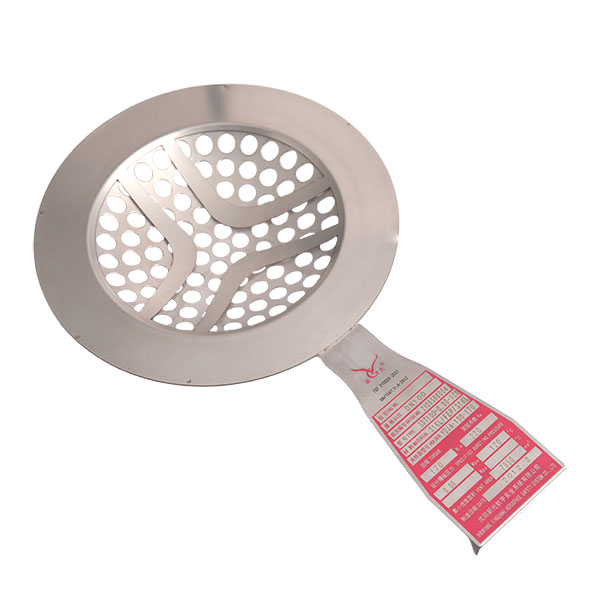
Tension-Loaded (Forward-Acting) Rupture Disc, LP: The pressure-sensitive element is in a domed (forward-acting) shape, with system pressure acting on the concave side of the disc.
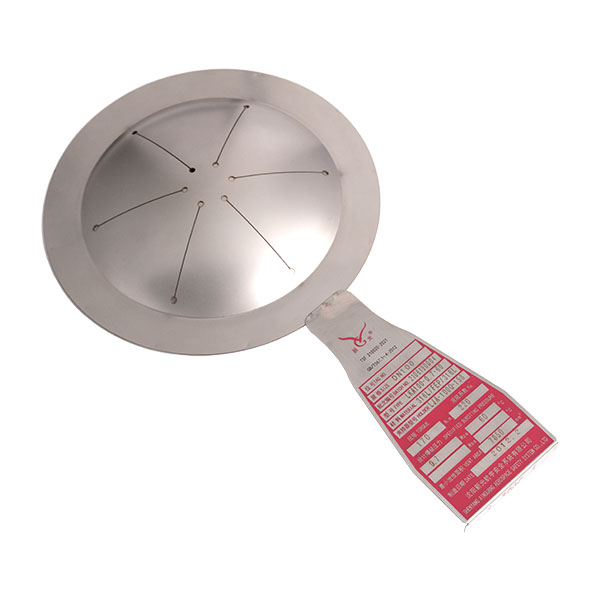
Tension-Loaded Scored Rupture Disc, LC: A tension-loaded rupture disc with stress-concentrating grooves machined into it. The burst pressure is primarily determined by the strength of these grooves.
Tension-Loaded Slotted Rupture Disc, LFT: Composed of two or more layers, including one sealing membrane and at least one tension-loaded layer with holes or slots.
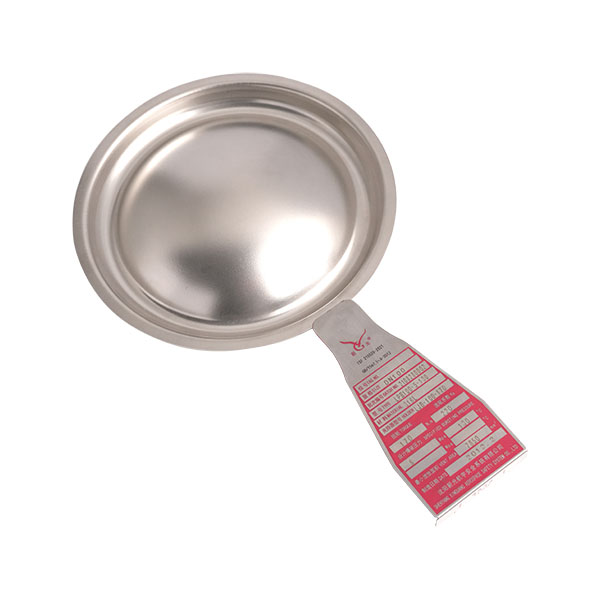
Compression-Loaded (Reverse-Acting) Rupture Disc: The pressure-sensitive element is in a reverse-domed shape, with system pressure acting on the convex side of the disc.
Reverse-Acting Knife Assembly, YD: A single-layer membrane disc. It is used in conjunction with a holder equipped with a knife assembly. Upon buckling and reversal, the disc is ruptured by the knives on the holder.
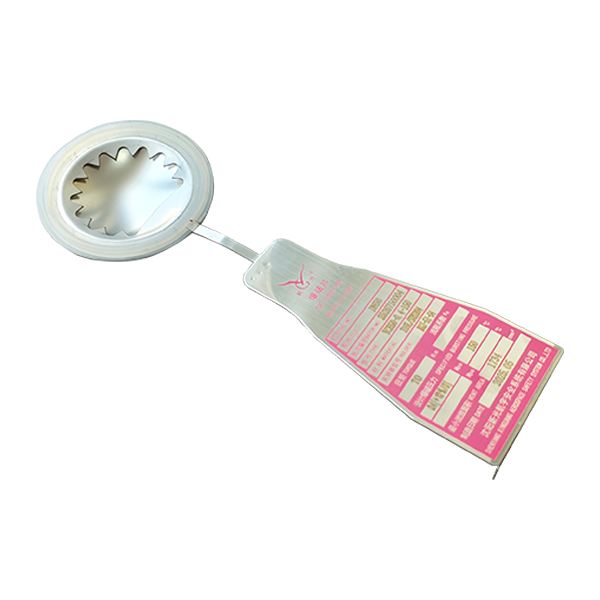
Reverse-Acting Tooth Assembly, YE: A reverse-acting rupture disc that is ruptured upon reversal when it contacts a serrated tooth ring.
Reverse-Acting Scored Rupture Disc, YC: A reverse-acting rupture disc with stress-concentrating grooves machined into it.
Reverse-Acting Slotted Rupture Disc, YF: Composed of two or more layers, including one sealing membrane and at least one reverse-acting layer with holes or slots.
Flat Type Rupture Disc: The pressure-sensitive element is flat, with system pressure acting on the plane of the disc.
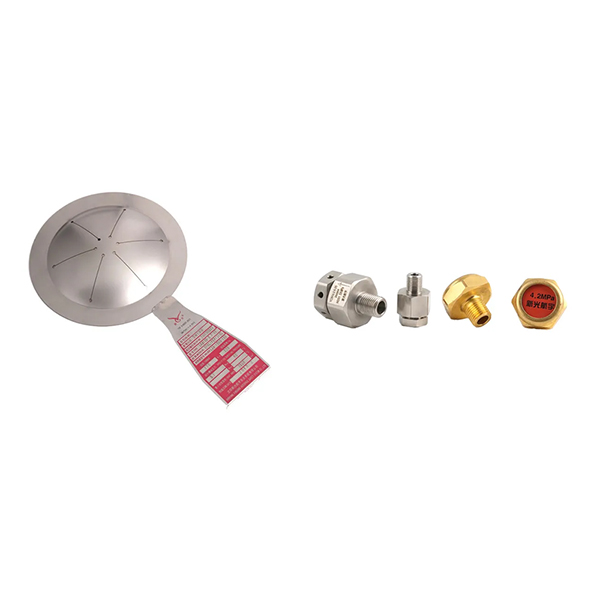
How to Select a Safety Rupture Disc?
The selection of a rupture disc must be determined based on specific operating conditions: For liquid media or high-pressure situations, tension-loaded types (such as LP) should be selected, with the tension-loaded slotted type (LFT) being suitable for low pressure. For gas media, cyclic pressure, or pulsating loads, compression-loaded types with excellent fatigue resistance (such as YD, YE, YC, YF) should be prioritized; these types typically operate without producing fragments and have a long service life. If installed upstream of a safety valve, a non-fragmenting type (such as the reverse-acting series) must be chosen. In short, use tension-loaded types for liquids and compression-loaded types for gases; high pressure calls for standard tension-loaded designs, low pressure for slotted tension-loaded designs, and pulsating loads for compression-loaded designs.
Applicable Scenarios for Safety Rupture Disc Devices
When the working medium is viscous, prone to crystallization, or polymerization, it can easily stick to or block a safety valve. In such cases, a Safety Rupture Disc should be used.
If the pressure inside the equipment increases sharply and instantaneously, a safety valve may not have enough time to open and relieve pressure. A Safety Rupture Disc can respond rapidly.
For highly toxic or expensive gases, safety valves are prone to leakage, causing pollution and waste. Safety Rupture Discs offer reliable sealing and effectively prevent such losses.
Under highly corrosive media conditions, safety valves require expensive noble materials (such as gold, silver, platinum), leading to high costs. Safety Rupture Discs can be made from corrosion-resistant materials, reducing costs.
Safety Rupture Discs can be used in combination with safety valves, leveraging the reclosing feature of the safety valve and the high sealing integrity of the rupture disc.
When operating temperatures are too low, affecting the normal function of a safety valve (e.g., freezing or sluggish action), Safety Rupture Discs are not limited by low temperatures and can still provide reliable pressure relief.
Situations Where Safety Rupture Disc Devices are Not Applicable
In systems with frequent overpressure events or excessive temperature fluctuations.
Compression-loaded (reverse-acting) rupture discs are not suitable for highly viscous media or media that may form substantial crystallization on the domed surface.
