
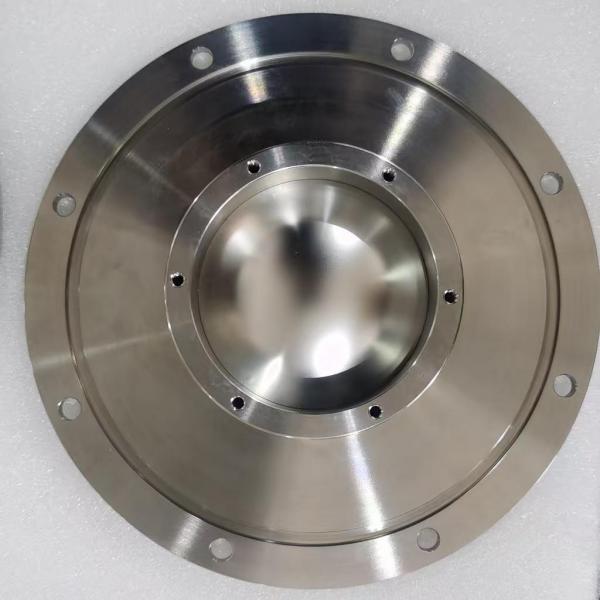
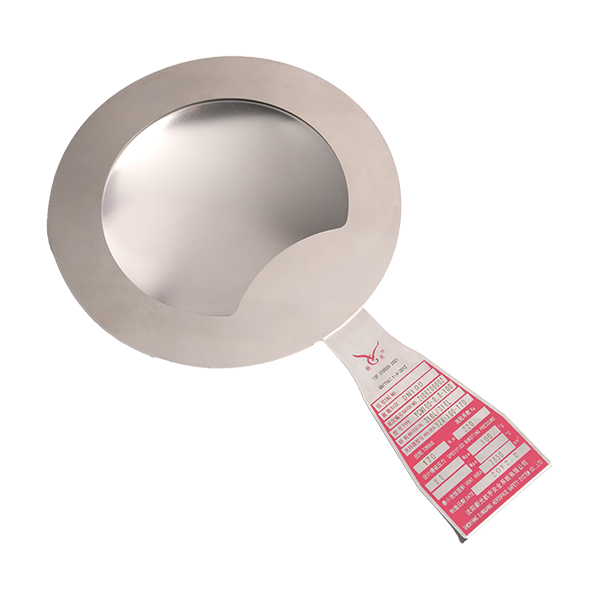
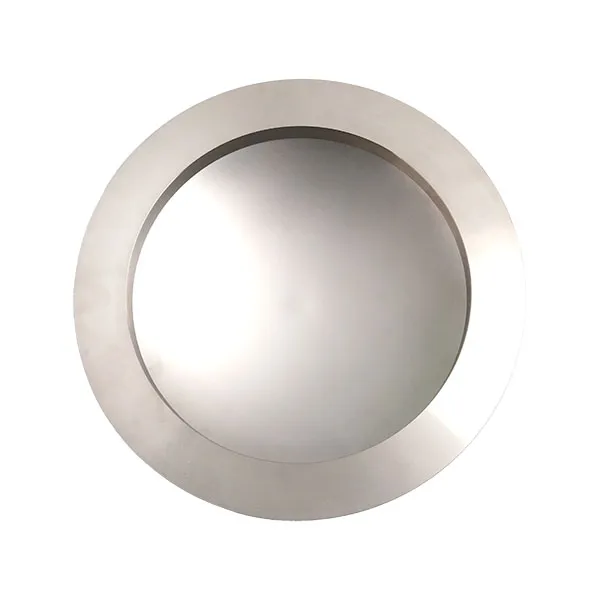
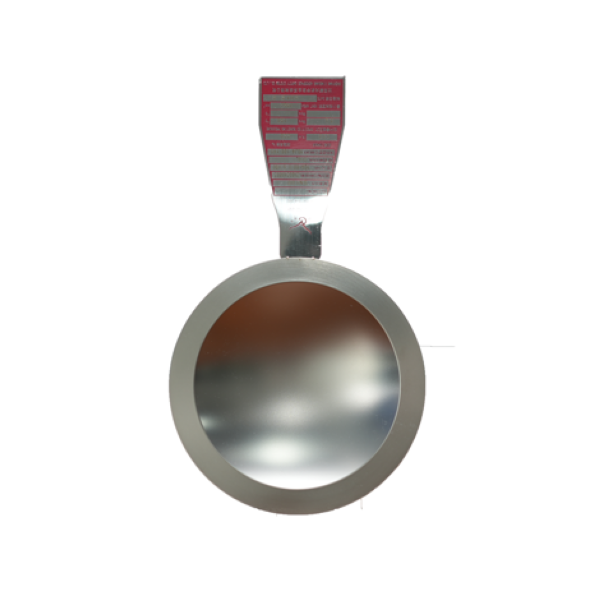
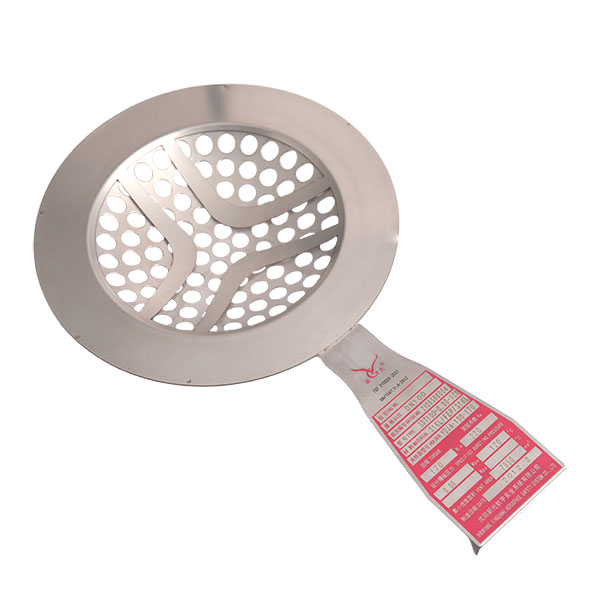
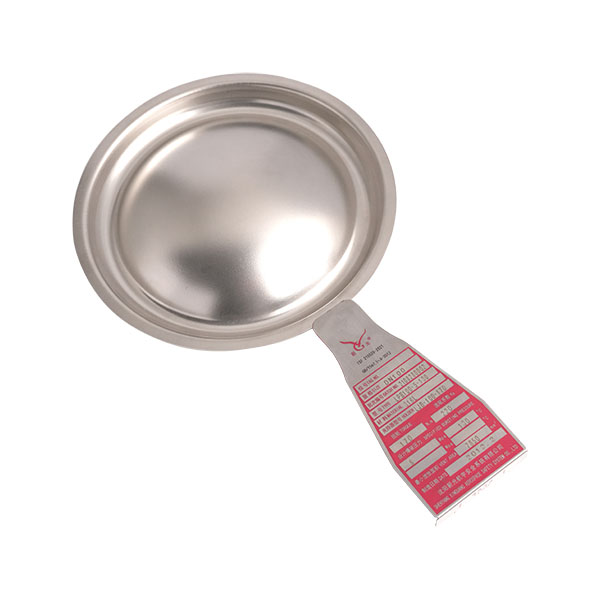
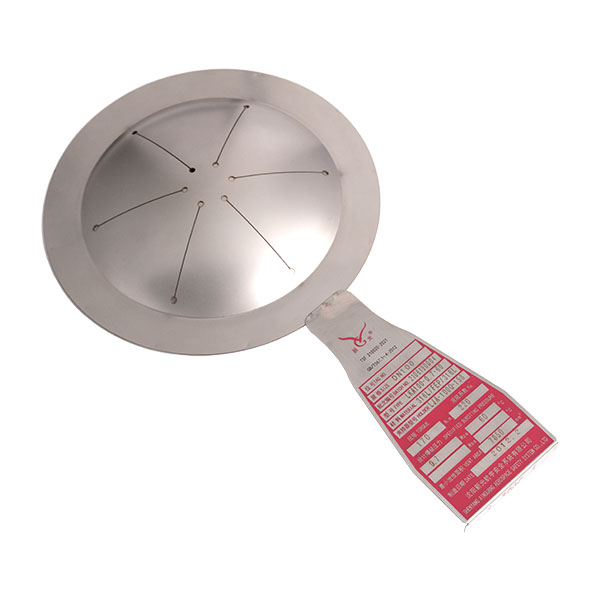
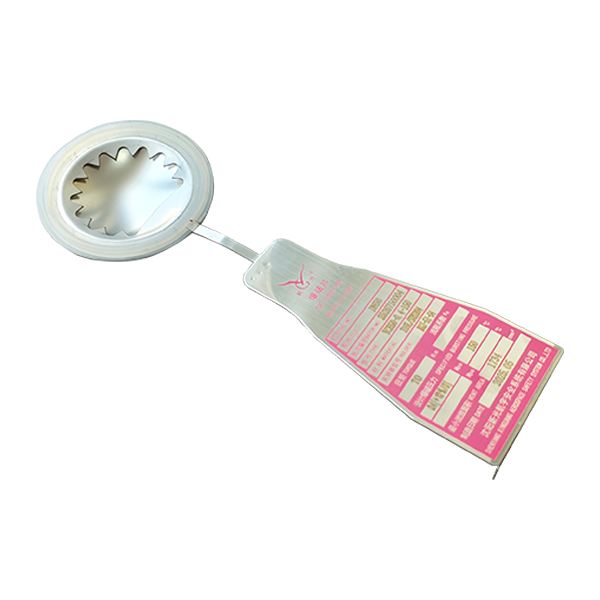
In storage systems for cryogenic media—such as liquefied natural gas (LNG), liquid oxygen, and liquid nitrogen—cryogenic storage tanks typically operate in extreme environments ranging from -162°C to -196°C. Because cryogenic media undergo continuous vaporization during storage, the internal pressure within the tank is constantly fluctuating. Industry data indicates that the daily evaporation rate of cryogenic tanks generally falls between 0.05% and 0.15%; this implies that pressure protection devices must possess the capability for both long-term stability and rapid response. As a critical safety protection component, the quality of the rupture disc installation directly determines the safety of the entire system in the event of an overpressure incident.
I. Pre-Installation Preparation
Before installing a rupture disc, it is essential to first verify that the selected product model is suitable for the specific cryogenic operating conditions. Cryogenic environments alter material properties; for instance, while the tensile strength of stainless steel increases by approximately 10% to 20% at low temperatures, its ductility decreases. If the material is selected inappropriately, brittle failure may occur. Consequently, cryogenic storage tanks typically utilize 316L stainless steel or nickel-based alloys, and the rupture discs used in these applications are required to maintain stable performance even at temperatures as low as -196°C. The bursting pressure accuracy of a rupture disc is typically required to be controlled within ±5% (with high-end products achieving ±3%), and the design pressure is generally set at 1.25 to 1.5 times the normal operating pressure. Prior to installation, the sealing surfaces of the flanges must also be thoroughly inspected to ensure that the surface roughness is controlled to Ra ≤ 3.2 μm and that the surfaces are free of scratches, oil stains, or particulate contaminants. Experimental data demonstrates that even impurities as small as 0.1 mm can significantly increase the risk of leakage under cryogenic conditions.
II. Critical Considerations During Installation
The installation of rupture discs demands meticulous attention to detail. It is imperative to strictly adhere to the product markings to verify the correct installation orientation. Test data indicates that if a rupture disc is installed in reverse, its actual bursting pressure may deviate by more than 20%, or the device may fail to function altogether; this constitutes one of the most common errors encountered in field installations. When installing the disc holder (flange assembly), it is essential to ensure that the clamping force is applied uniformly. The bolts should be tightened gradually in a diagonal sequence, utilizing a torque wrench to ensure precise control. If the bolt torque deviates by more than ±15% from the specified value, the actual bursting pressure of the disc may deviate by 5% to 10%. Furthermore, the diaphragm of a rupture disc typically has a thickness of only 0.03 mm to 0.5 mm, making it extremely susceptible to damage. If surface scratches as minute as 0.01 mm occur, the bursting pressure may decrease by approximately 10%; therefore, any mechanical contact or compression must be strictly avoided during the installation process.
III. Post-Installation System Compatibility and Safety Verification
1. Upon completion of installation, the ability of the rupture disc to function effectively depends significantly on the compatibility of the entire system. During the cooling-down process of a cryogenic storage tank, the metal components undergo thermal contraction; for instance, when carbon steel is cooled from ambient temperature to -196°C, its linear contraction rate is approximately 0.3%. This contraction can result in a 10%–20% reduction in bolt pre-load, thereby compromising the sealing integrity. Consequently, a re-inspection should be conducted during the initial operational phase to ensure the stability of the connection structure.
2. The pressure relief channel must remain unobstructed. As a full-opening pressure relief device, a rupture disc offers an effective discharge area equivalent to 100% of the nominal pipe diameter; however, if the discharge piping is poorly designed—for example, containing an excessive number of elbows or subject to back pressure—discharge efficiency may be reduced by 15%–30%. Furthermore, if the back pressure exceeds 10%–15% of the specified burst pressure, it may directly compromise the operational performance of the rupture disc.
3. Following installation, a comprehensive system verification must be performed, including airtightness testing (typically requiring a leak rate of ≤1×10⁻⁵ Pa·m³/s), verification of the installation orientation, and pressure testing. Statistical data indicates that over 30% of early-stage leakage issues are attributable to installation errors or initial commissioning procedures; therefore, this critical phase must not be overlooked.
The installation of rupture discs in cryogenic storage tanks is a task demanding the utmost technical expertise and meticulous attention to detail. From product selection and installation to final system verification, every stage is governed by specific data standards and operational protocols. Only through rigorous control of the entire process can the rupture disc achieve a millisecond-level response in the event of an overpressure surge, thereby ensuring the rapid release of pressure and providing a robust safety safeguard for the cryogenic storage tank system.
