
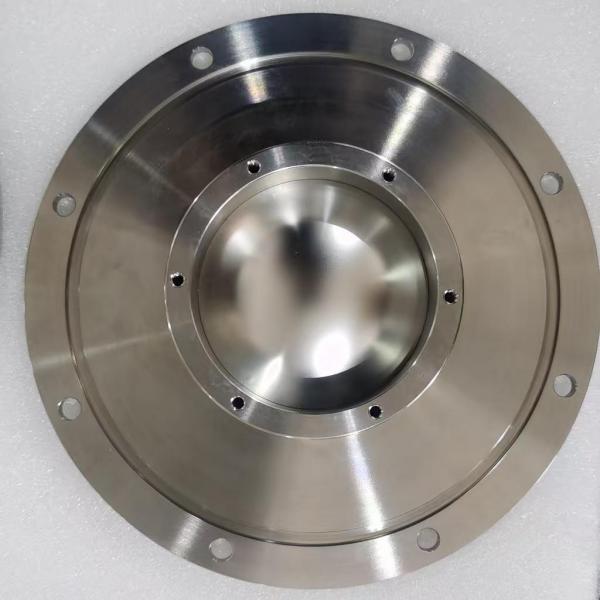
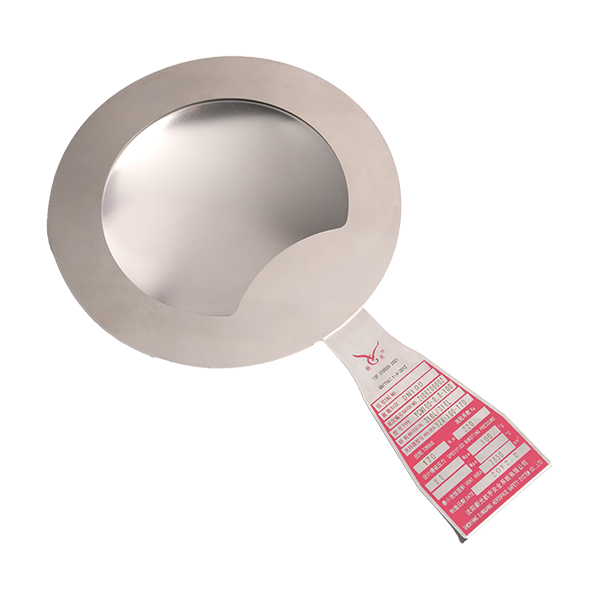
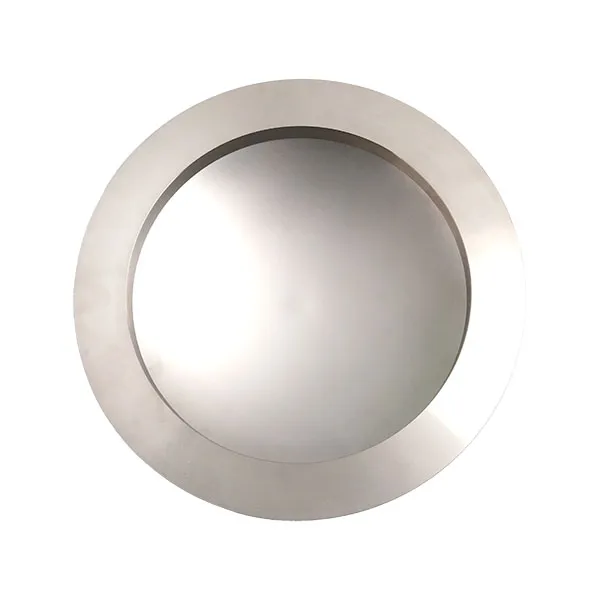
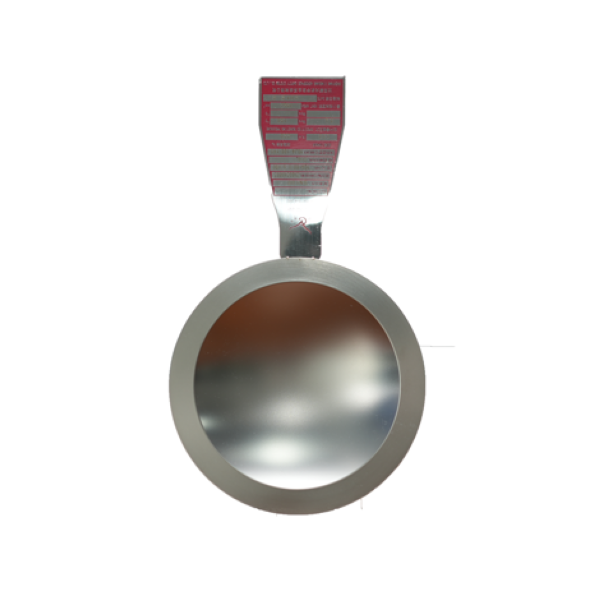
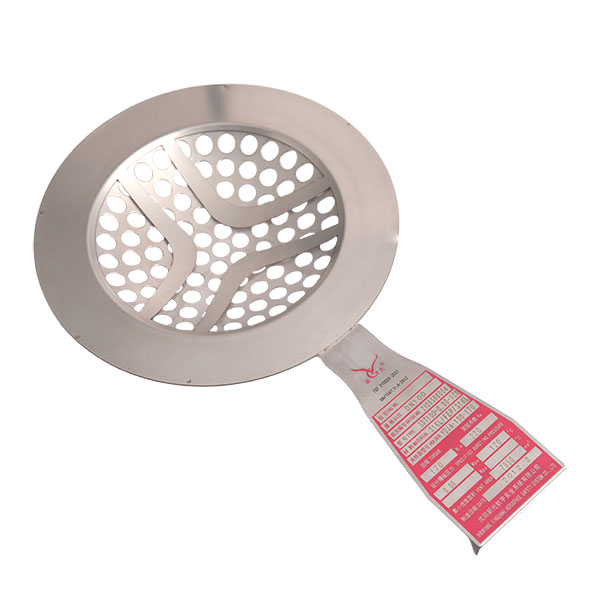
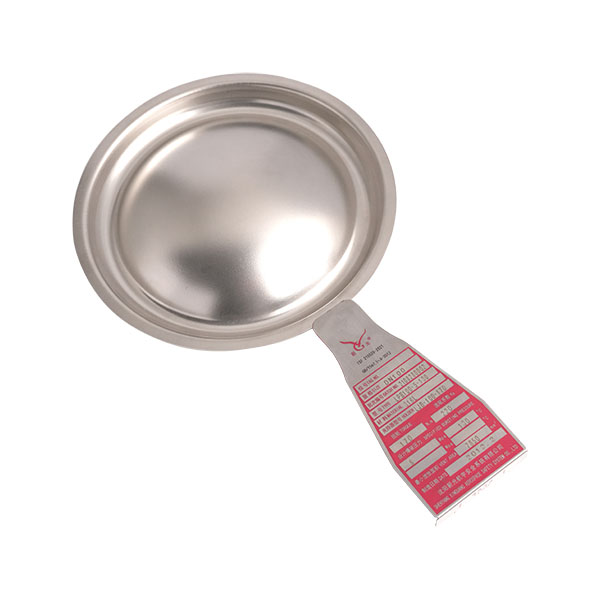
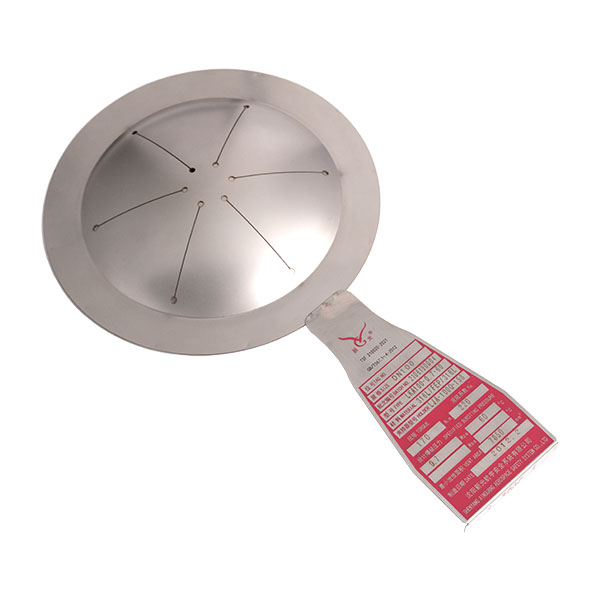
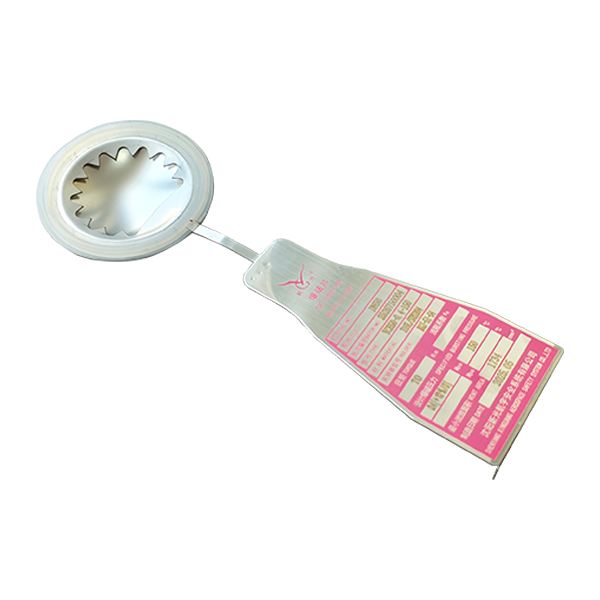
Pressure relief devices (such as rupture discs and their components) are critical safety protection parts for pressure vessels and piping systems, mainly designed to prevent equipment damage or accidents caused by overpressure. Regular maintenance and standardized replacement of these devices can ensure their reliability and extend the service life of the entire system. Below are practical recommendations based on general industry practices and product characteristics, helping you better manage your pressure relief devices.
Practical Maintenance Recommendations:
Regular Visual Inspection:
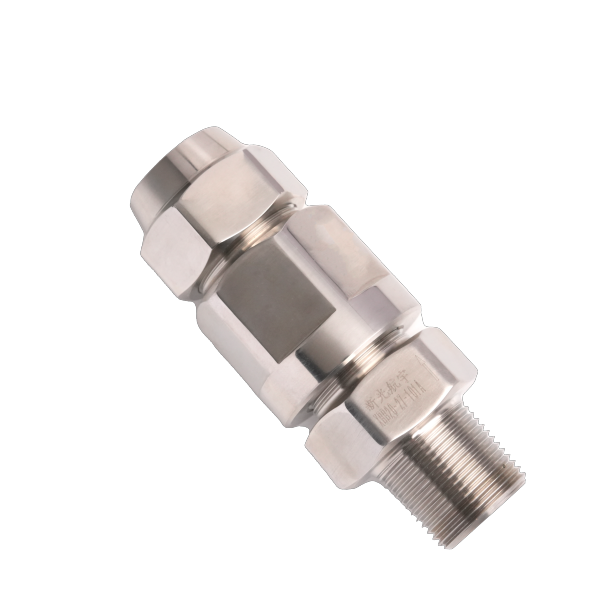
After shutting down the equipment, conduct a comprehensive visual inspection of the rupture disc accessories first. Focus on checking for corrosion, scratches, deformation or dirt accumulation on the device surface. Make sure the sealing surface is smooth and intact, and the support frame is free from loosening or deformation. For cleaning, wipe the surface with a soft cloth and mild detergent. Never use sharp tools, as they may scratch the sealing surface and the device body.
Sealing Performance Verification:
Check the sealing area of the device for any traces of medium residue, and cross-reference the system pressure data to confirm there are no abnormal fluctuations. High-quality pressure relief devices feature reliable sealing designs, but after long-term operation, sealing gaskets tend to age and clamping surfaces may get damaged. It is necessary to conduct regular spot checks on these two parts and take prompt measures if any issues are detected.

Environmental Adaptability Check:
Based on actual working conditions, verify whether the device material is suitable for the application environment. For instance, if the device is in contact with corrosive media, check for signs of erosion; in scenarios with significant temperature fluctuations, inspect whether components have loosened due to thermal expansion and contraction. In addition, regularly clean dust and residues off the device surface to keep it clean and prevent any impact on its pressure relief function.
Practical Replacement Recommendations:
Replacement Timing:
Rupture discs are single-acting pressure relief devices. Once activated or failed, they must be replaced immediately—continued use is strictly prohibited. If any abnormalities like corrosion spots, surface fatigue cracks, or deformation bulges are found on rupture disc accessories during routine inspections, replace them in advance to avoid potential safety hazards caused by device failure.
Replacement Procedures:
Safety Preparation: Before operation, be sure to reduce the system pressure to zero and implement proper safety isolation measures before disassembling the old rupture disc.
Surface Cleaning: Thoroughly clean the sealing connection surfaces of the flanges or support frames, removing residual medium, dirt and burrs to ensure the contact surfaces are flat and smooth.
Correct Installation: When installing the new rupture disc, strictly align it with the directional marks on the surface to guarantee proper installation orientation.
Torque Application: Tighten the bolts evenly with the specified torque. Avoid over-tightening, as this may cause deformation or damage to the rupture disc.
Special Notes for Combined Device Systems:
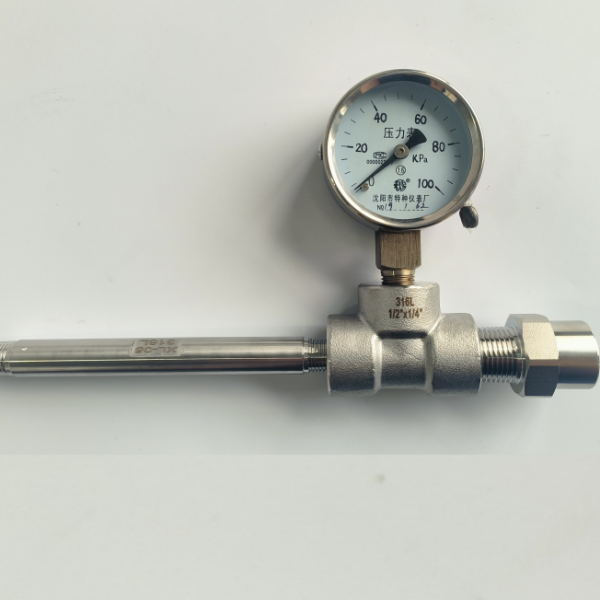
When rupture discs are used in series with safety valves, it is recommended to install a zero-leakage assembly (integrated with pressure gauges, pressure relief valves and supporting pipelines) between them. This setup can monitor the cavity pressure in real time and release the pressure to zero, reducing medium corrosion to the safety valve and extending the service life of the entire pressure relief system, especially the core rupture disc accessories.
As a high-tech enterprise participating in the formulation of multiple national and industrial standards, Shenyang Xinguang Aerospace Safety Systems Co., Ltd. has obtained CE and ASME UD certifications for its rupture disc devices, and owns 40 national patents. Our products are widely used in numerous fields such as petrochemicals, serving over 2,000 cooperative customers and being exported to more than 100 countries around the world. We welcome all purchasers to contact us for potential cooperation opportunities!
