
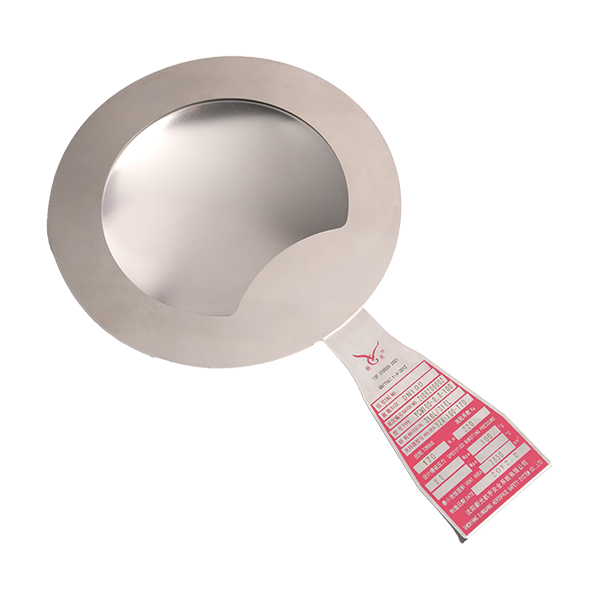
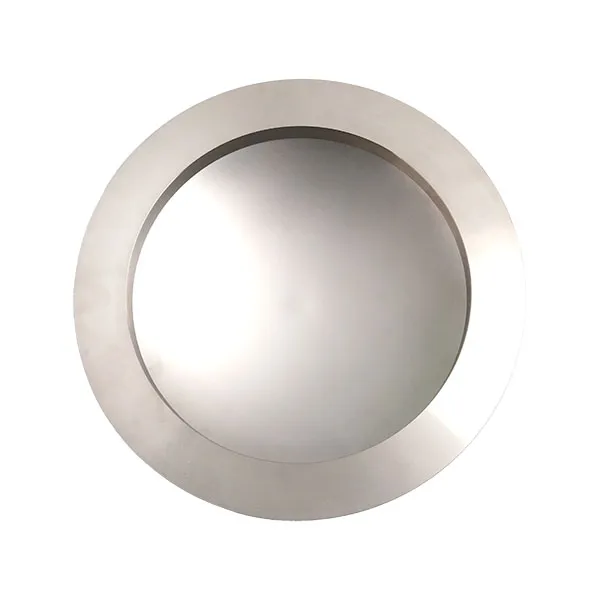
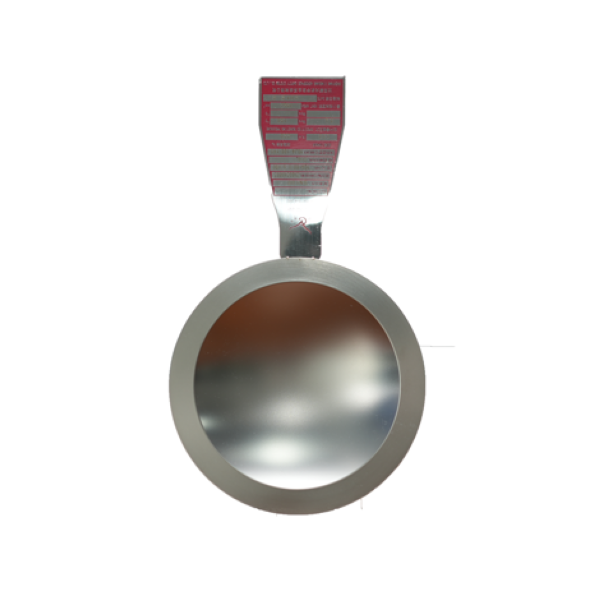
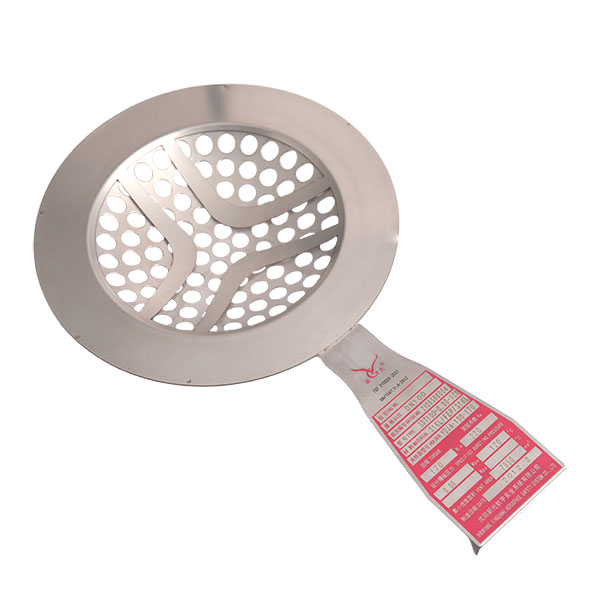
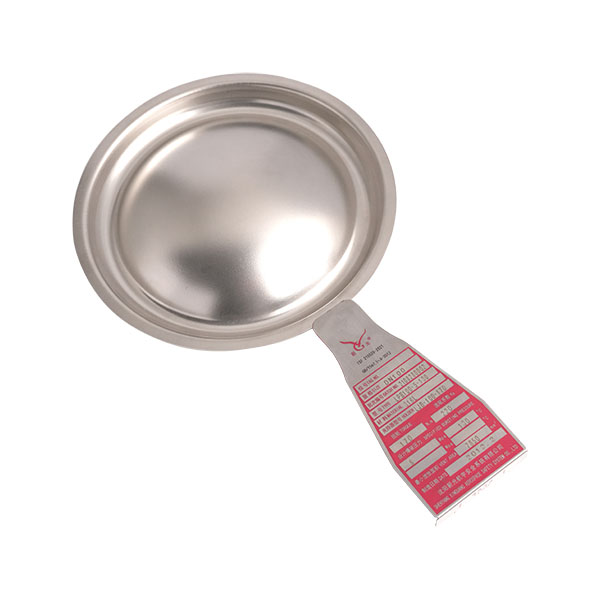
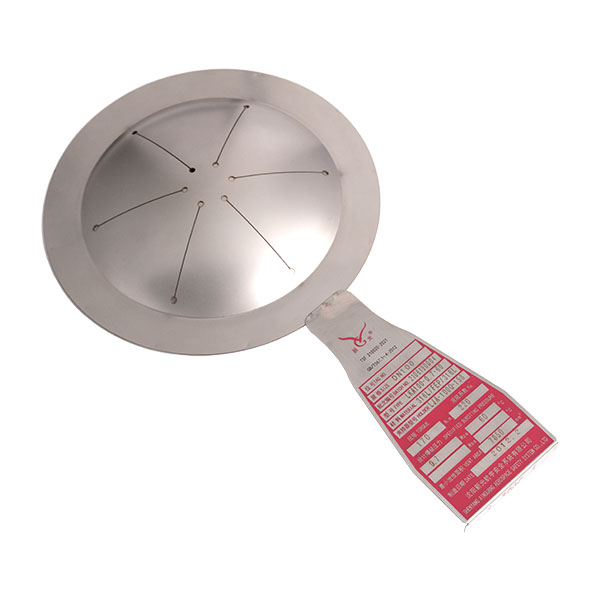
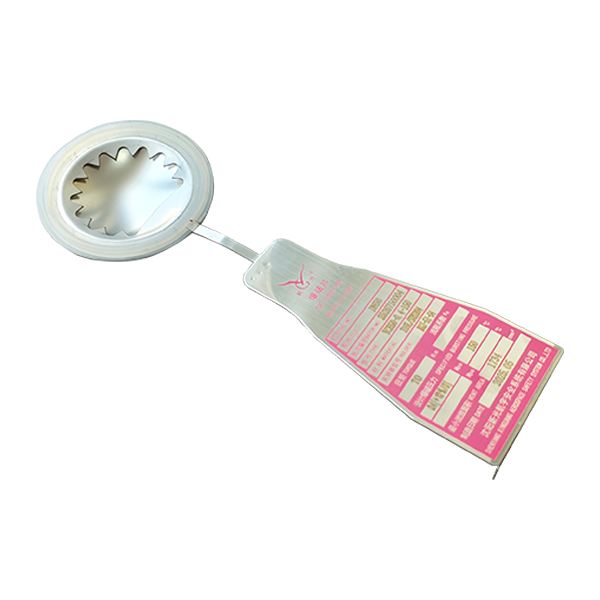
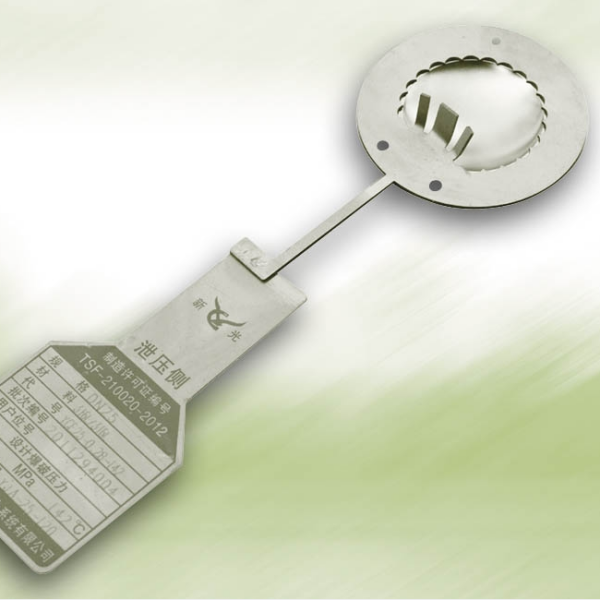
In the high-stakes environment of chemical processing, oil refining, and manufacturing, a rupture disk (or bursting disc) acts as the ultimate failsafe—the last line of defense against catastrophic overpressure. However, one of the most frustrating and costly issues plant managers and process engineers face is premature rupture disk failure.
When a disk bursts below its specified burst pressure, it leads to unexpected downtime, loss of expensive process media, and significant maintenance costs. If you find yourself replacing rupture disks more frequently than scheduled, the problem is rarely a "defective disk." More often than not, it points to underlying system anomalies.
In this comprehensive troubleshooting guide, our engineering team breaks down the three most commonly overlooked causes of premature rupture disk failure.
1. Severe Pressure Cycling and Fatigue (Operating Ratio Issues).
The most frequent culprit behind premature bursting is metal fatigue caused by pressure cycling or pulsating processes.
Every rupture disk has a maximum recommended Operating Ratio—the ratio between your system's normal operating pressure and the disk's marked burst pressure. For example, traditional forward-acting metal rupture disks typically require an operating ratio of 70% to 80%. If your disk is rated to burst at 100 PSI, your normal operating pressure should not exceed 70 to 80 PSI.
If your process involves heavy pressure pulsations (common in systems with positive displacement pumps or rapid valve closures), the disk material constantly flexes back and forth. Over time, this micro-flexing weakens the molecular structure of the metal alloy, causing it to fatigue and burst prematurely.

The Solution: If your system experiences heavy cycling, you must upgrade your disk technology. Reverse-acting rupture disks (compression-loaded disks) offer significantly higher operating ratios—often up to 90% or 95%—and are heavily resistant to pressure fatigue.
2. Unaccounted Vacuum or Backpressure Conditions.
A rupture disk is highly sensitive to the differential pressure across it. Many engineers perfectly calculate the positive overpressure but completely overlook what happens on the downstream side (backpressure) or during system cooldowns (vacuum).
If a forward-acting disk is subjected to an unexpected vacuum condition (where the pressure inside the vessel drops below atmospheric pressure), the disk dome can be sucked backward. This reverse flexing damages the delicate scoring or weakens the tension-loaded dome. The next time the system reaches normal operating pressure, the compromised disk will burst prematurely.
The Solution: You need to conduct a thorough system review to check for potential vacuum conditions. If vacuums are possible, you must specify a rupture disk with a Vacuum Support—a rigid mechanical backup that prevents the disk from flexing backward. Alternatively, utilizing a reverse-acting disk, which inherently withstands full vacuum without additional supports, is an excellent engineering choice.
3. Improper Installation and Uneven Flange Torque.
Even the most perfectly engineered rupture disk will fail if it is installed incorrectly. The installation process is a delicate mechanical operation.
Rupture disks rely on a precise, uniform clamping force from the safety head (holder) to maintain their structural integrity and burst pressure accuracy. If a maintenance technician tightens the flange bolts unevenly, or applies excessive torque, the "bite" of the holder will bite too deeply or unevenly into the disk's seating area.
This uneven torque distorts the delicate dome of the disk, creating microscopic stress concentrators. These stress points act as catalysts, forcing the disk to rupture at a much lower pressure than its tag indicates.
The Solution: Strict adherence to the manufacturer’s installation manual is non-negotiable. Maintenance teams must always use a calibrated torque wrench. Bolts must be tightened in a standard crisscross (star) pattern in incremental steps (e.g., 25%, 50%, 75%, and 100% of the required torque). Never over-torque the bolts to stop a leak—if it leaks, the seating surfaces must be inspected and cleaned.
Don't Treat the Symptom, Fix the Source.
A premature rupture disk failure is usually your system's way of telling you that something is wrong with your process conditions or installation procedures. By addressing pressure cycling, vacuum conditions, and installation techniques, you can drastically increase the lifespan of your safety components.
Are you struggling with persistent premature bursting in your facility? Don't guess with your safety. Contact our technical engineering team today for a free system evaluation and sizing consultation. We will help you select the exact rupture disk technology to withstand your toughest process conditions.
