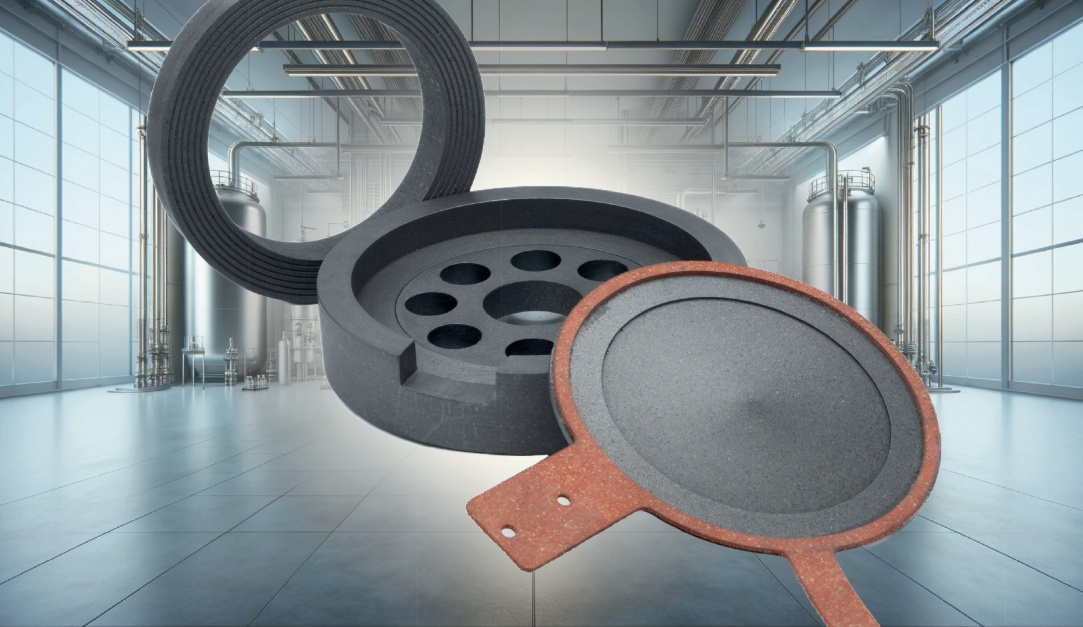
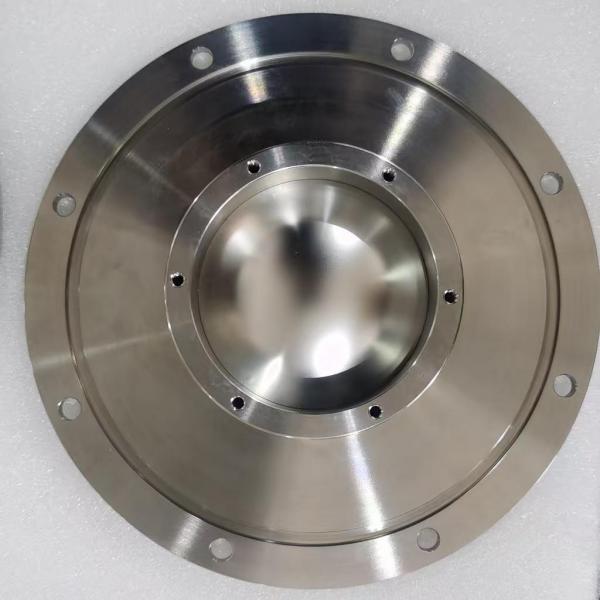
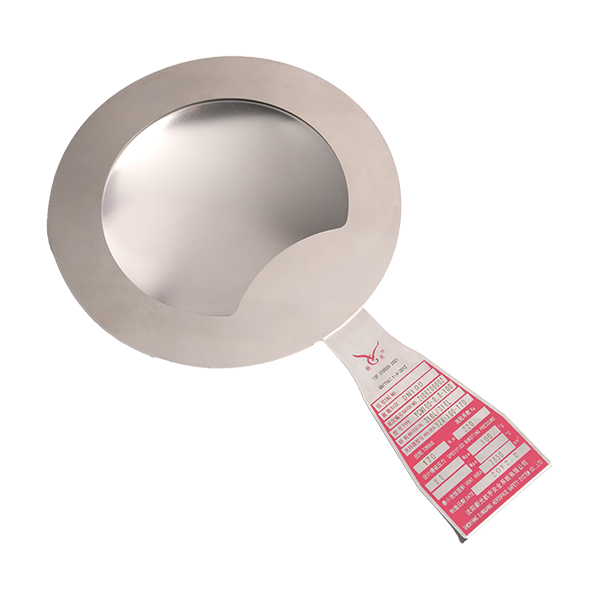
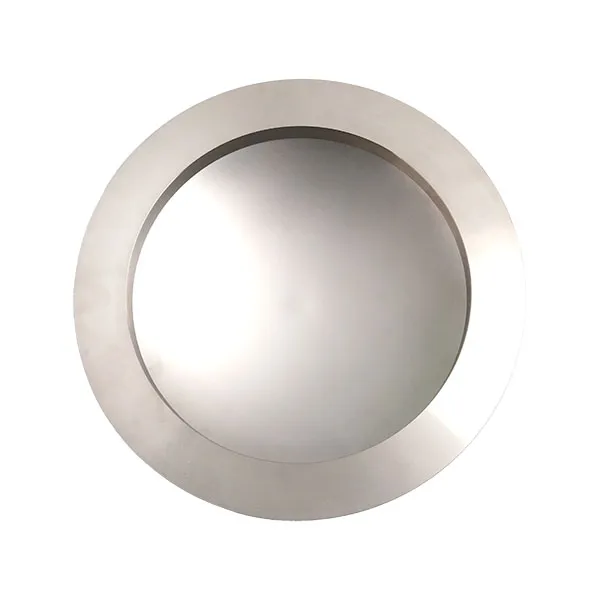
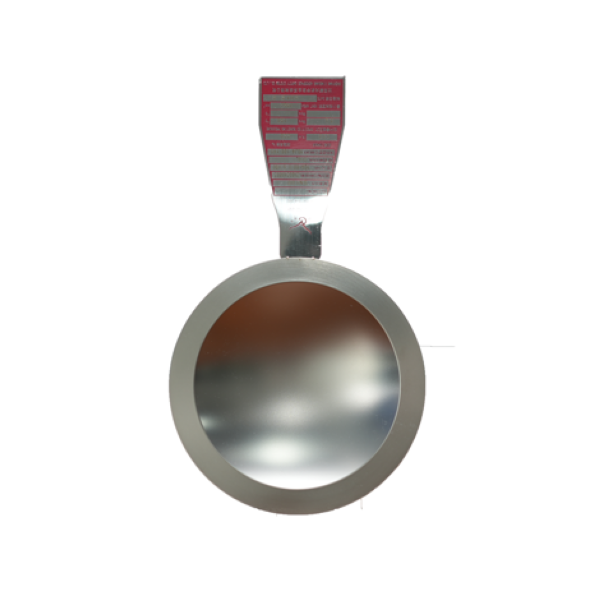
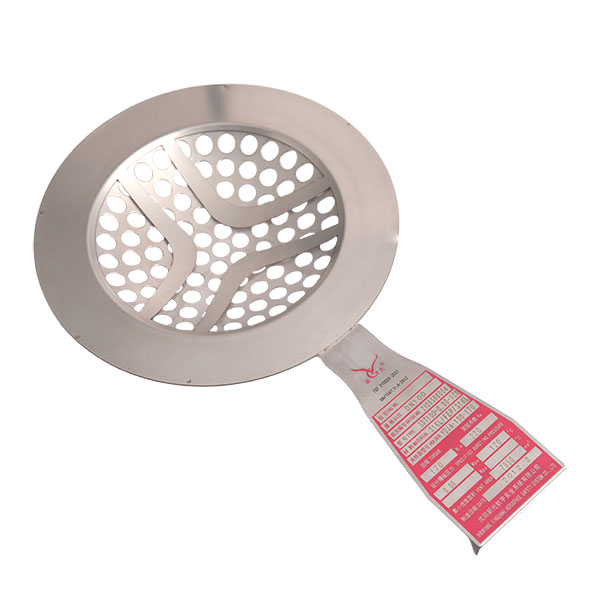
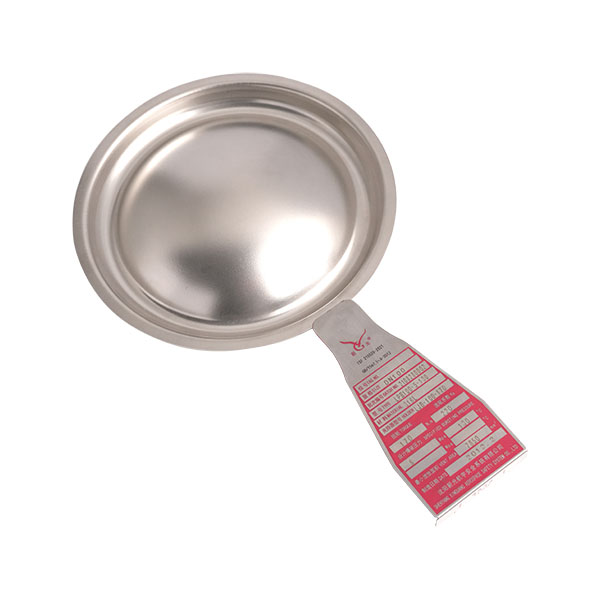
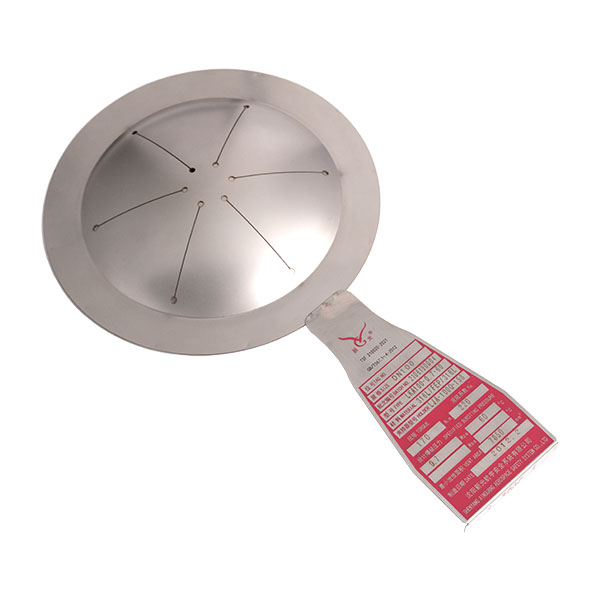
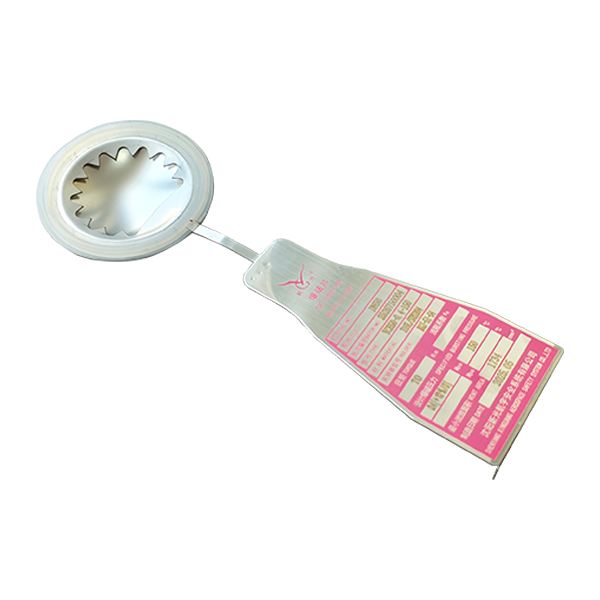
Graphite bursting discs possess excellent corrosion resistance and are widely utilized in environments involving highly corrosive media. Compared to metal bursting discs, graphite bursting discs offer distinct advantages in operating conditions involving acids, alkalis, organic solvents, and similar substances. However, during the selection and operational phases, many users focus on a core question: What is the actual service life of a graphite bursting disc?
I. Theoretical Service Life of Graphite Bursting Discs
From a materials science perspective, graphite itself exhibits high chemical stability and undergoes virtually no chemical reactions in common highly corrosive environments. The theoretical service life of a graphite bursting disc can range from 3 to 5 years, or even longer. For instance, in highly corrosive environments such as concentrated sulfuric acid or hydrochloric acid, the corrosion rate of graphite material is significantly lower than that of metal materials, resulting in a relatively slow rate of performance degradation.
II. Key Factors Influencing Service Life
1. Working Pressure Fluctuations: If equipment operates for extended periods at pressures approaching the bursting pressure (e.g., reaching 80%–90% of the rated bursting pressure), it subjects the graphite bursting disc to continuous stress. This accelerates fatigue damage and consequently shortens its service life.
2. Temperature Variations: Although graphite possesses excellent high-temperature resistance, frequent temperature fluctuations (thermal expansion and contraction) can lead to the formation of microscopic structural cracks. This is particularly true in operating conditions involving frequent thermal cycling, where the service life may be reduced by 20%–30%.
3. Media Erosion and Crystallization Issues: In certain operating conditions, the process media may contain particulate matter or components prone to crystallization. These substances can cause surface erosion or deposition on the graphite, thereby compromising its structural integrity.
4. Installation Quality: If issues such as uneven load distribution or irregularities in the sealing surface occur during the installation process, they can result in abnormal localized stress on the graphite bursting disc, leading to premature failure.
III. Service Life Reference Under Various Operating Conditions
Based on practical experience in industrial applications, the approximate service life of Graphite Bursting Discs under various operating conditions is as follows:
Stable Corrosive Environments (minimal pressure fluctuation): Approximately 3–5 years
Moderate Operating Conditions (some pressure fluctuation present): Approximately 2–3 years
High-Load Operating Conditions (pressure approaching burst value; frequent temperature changes): Approximately 1–2 years
Under certain extreme conditions—such as environments involving high-frequency pressure surges or severe vibration—the service life may be even shorter than one year. Therefore, service life should not be judged solely by elapsed time; rather, it must be evaluated in conjunction with actual operating conditions.
IV. How Often Should Replacement Occur?
Although Graphite Bursting Discs can function for extended periods under ideal conditions, in practical engineering applications, it is generally recommended to perform periodic replacements or inspections.
General Recommendations:
Perform a visual inspection and seal integrity check every 12 months.
Perform a preventive replacement every 2–3 years (adjusting the interval based on specific operating conditions).
Replace the disc immediately in the event of pressure anomalies, leakage, or during scheduled equipment maintenance.
Note: Graphite Bursting Discs are single-use safety devices; once a disc has burst, it must be replaced immediately and cannot be reused.