
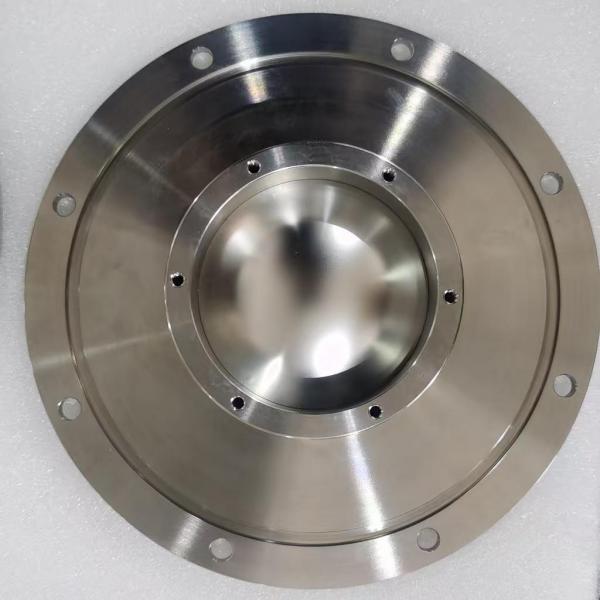
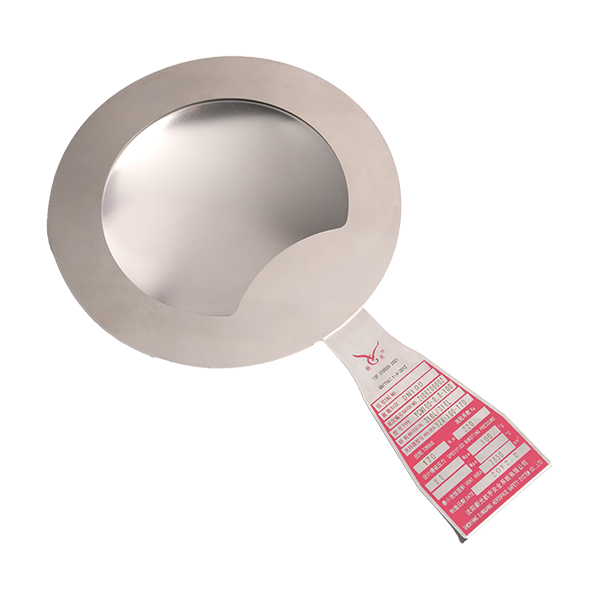
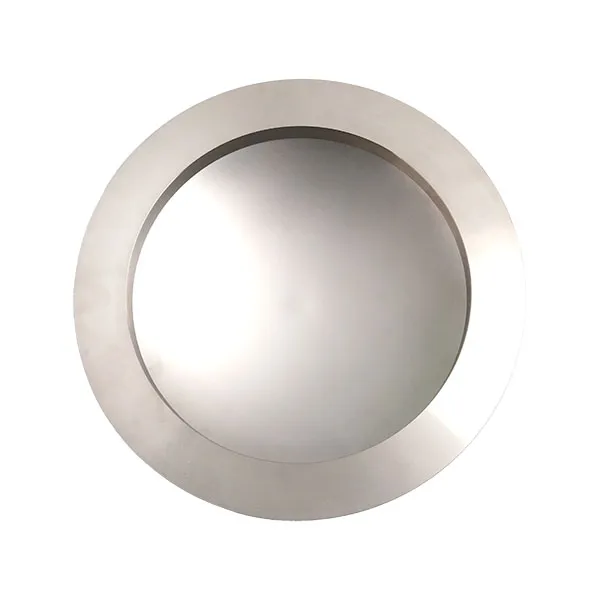
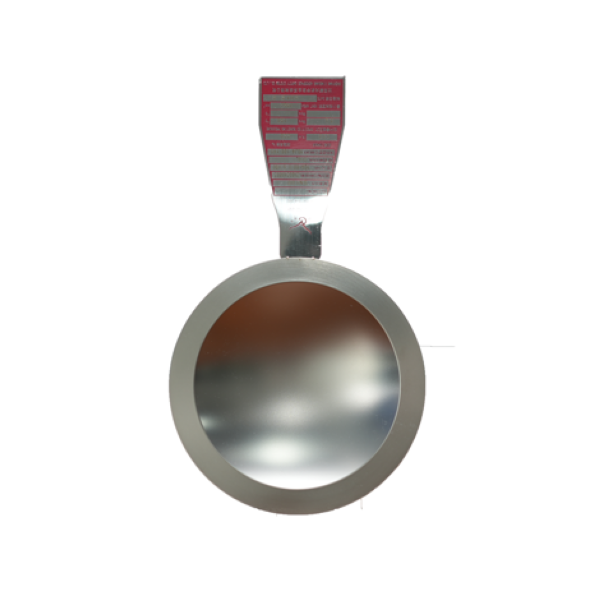
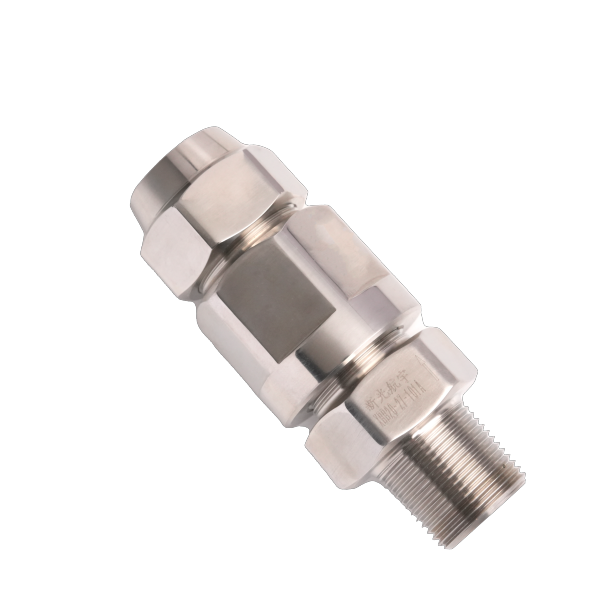
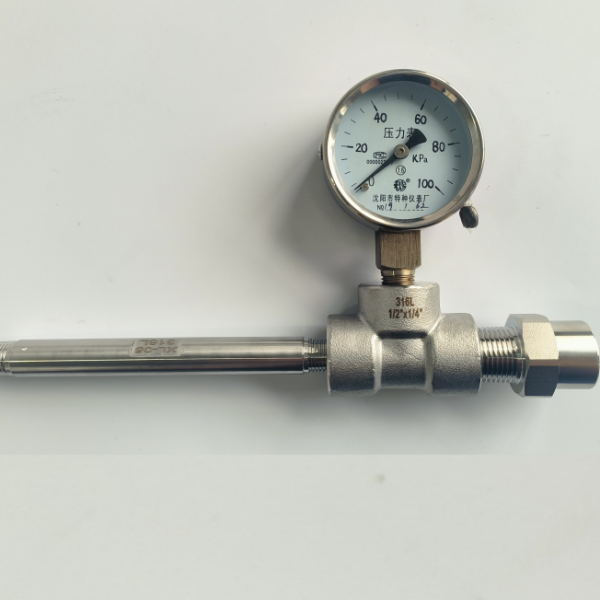
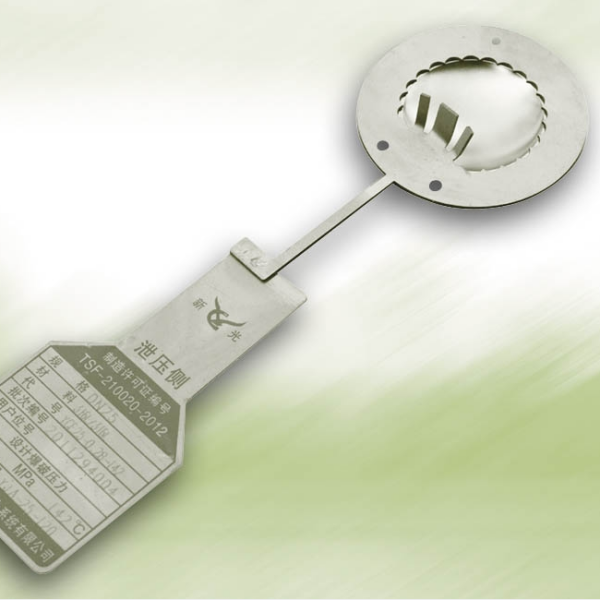
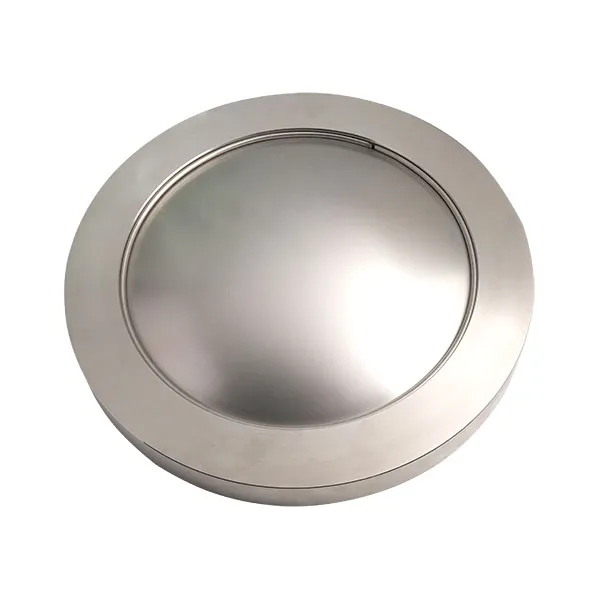
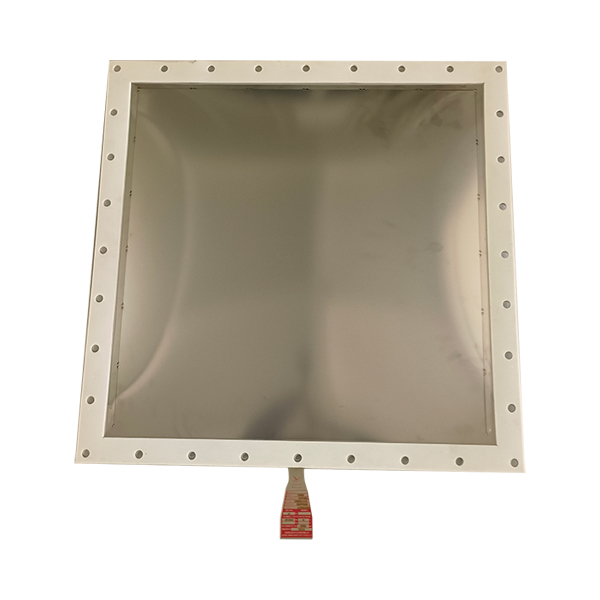
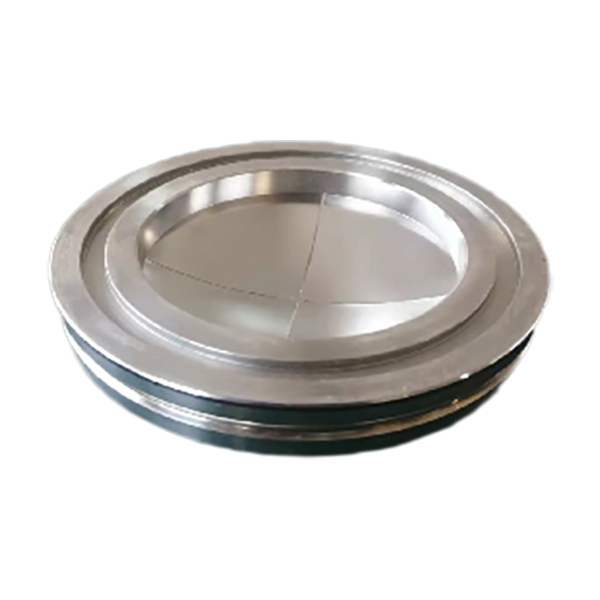
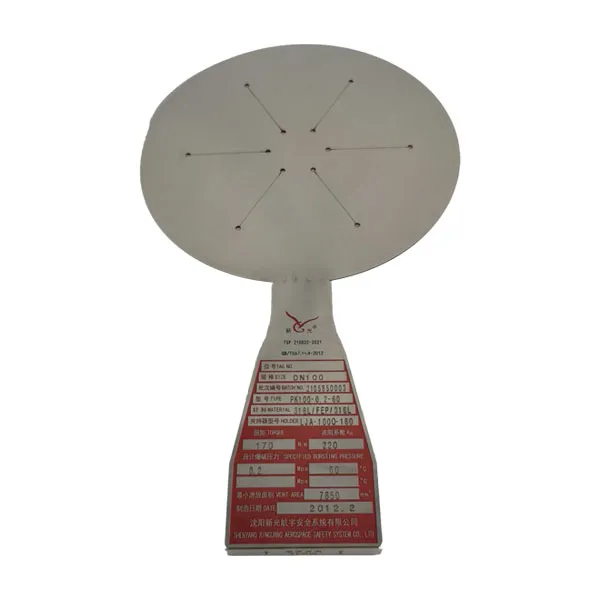
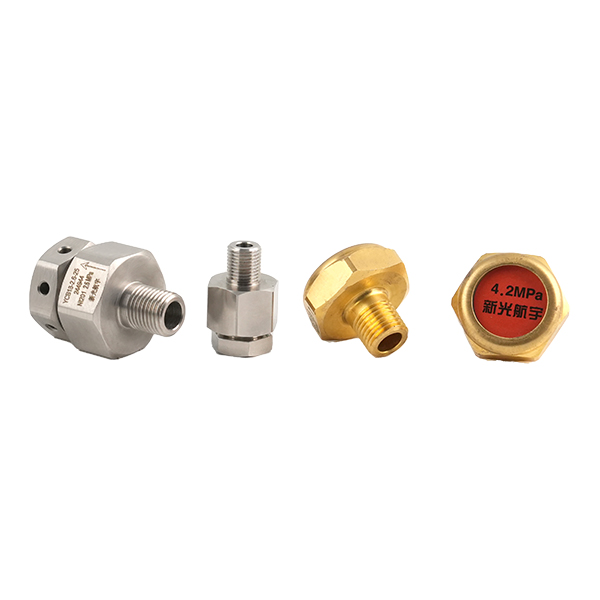
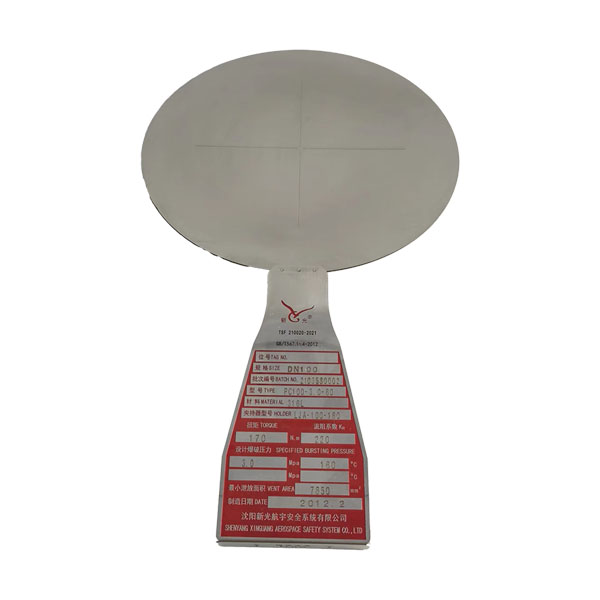
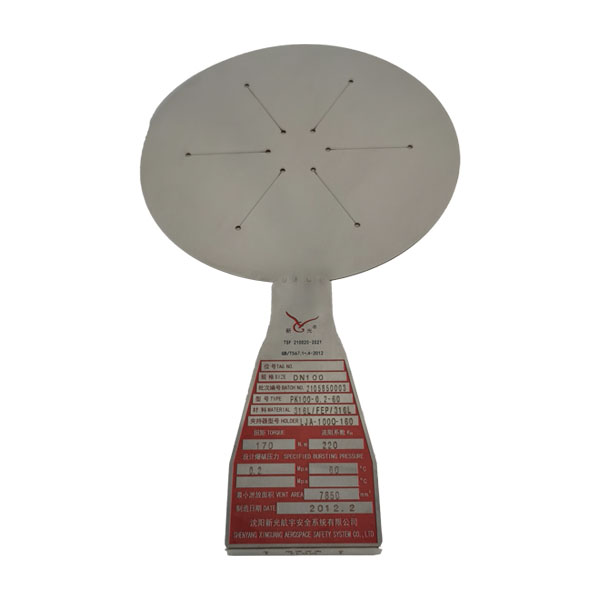
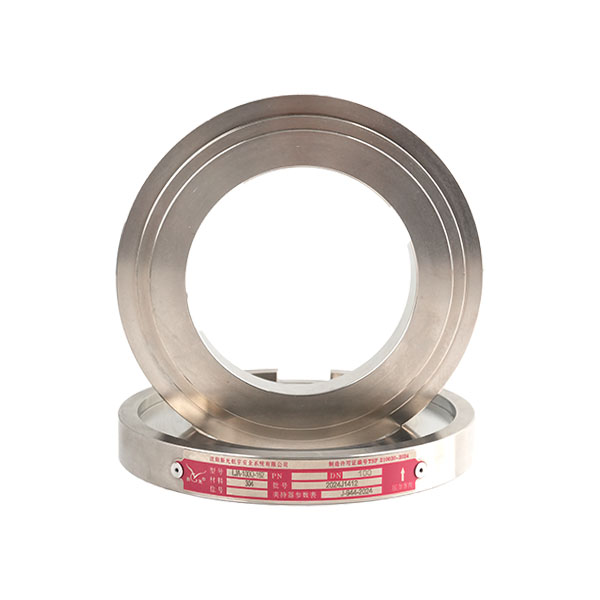
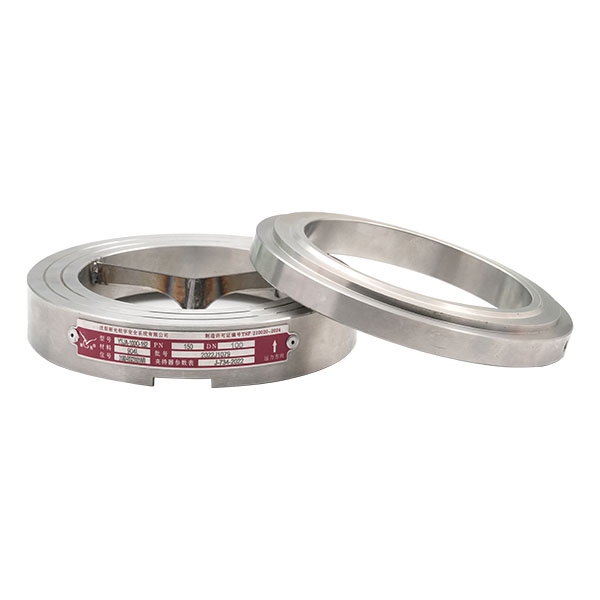
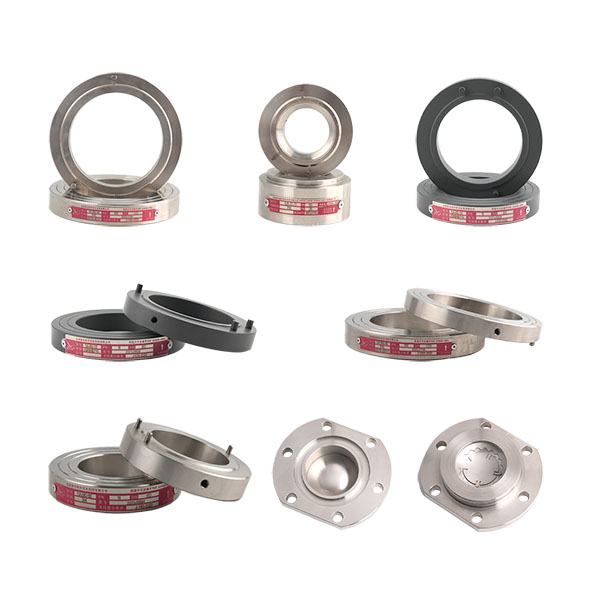
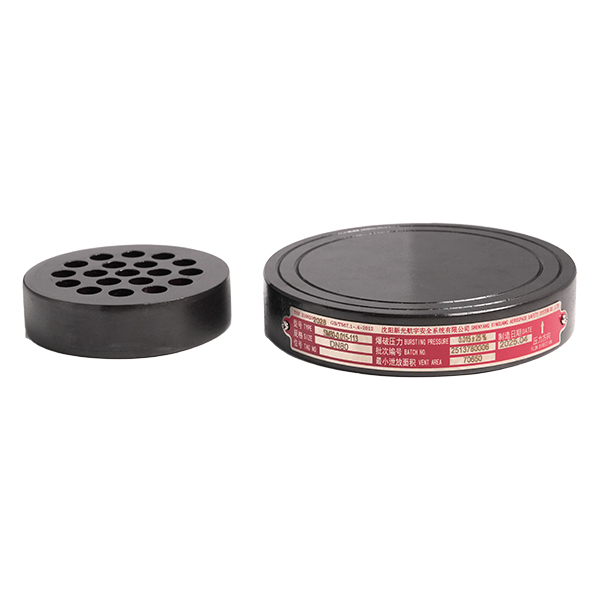
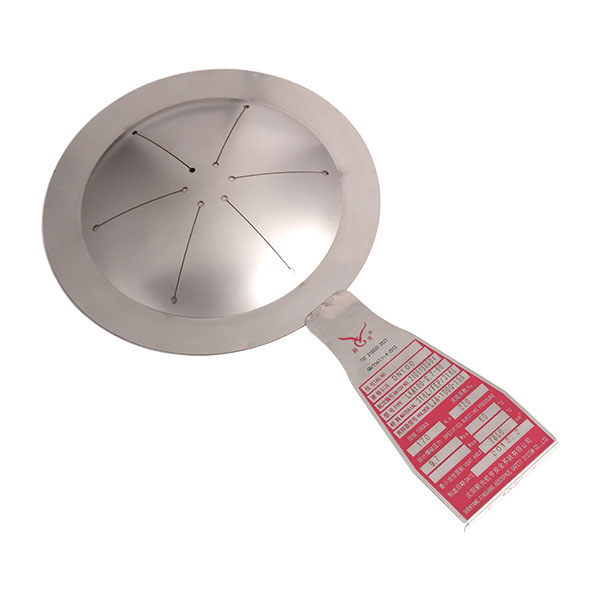
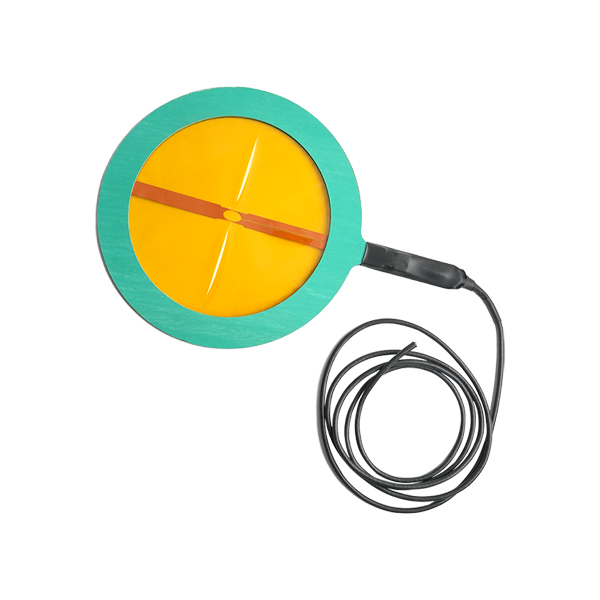
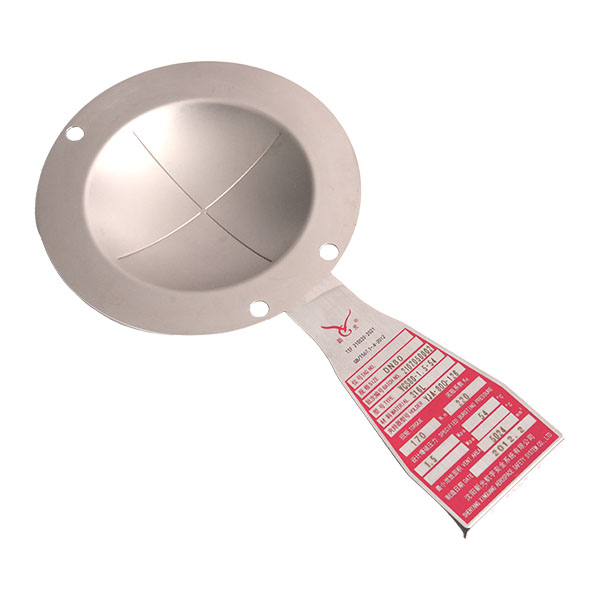
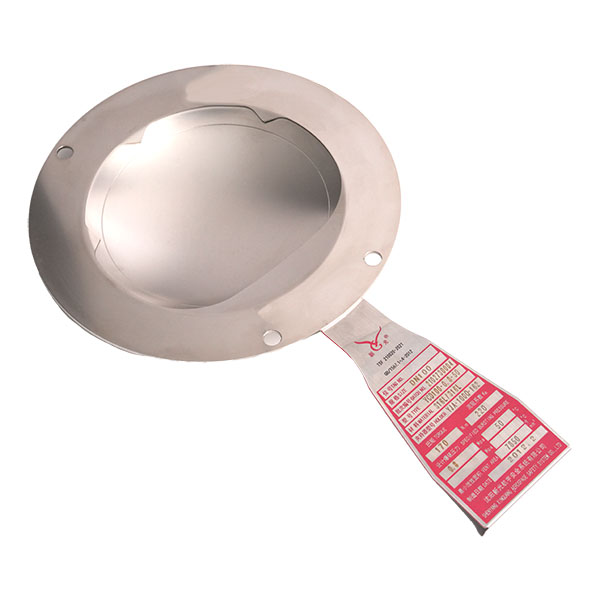
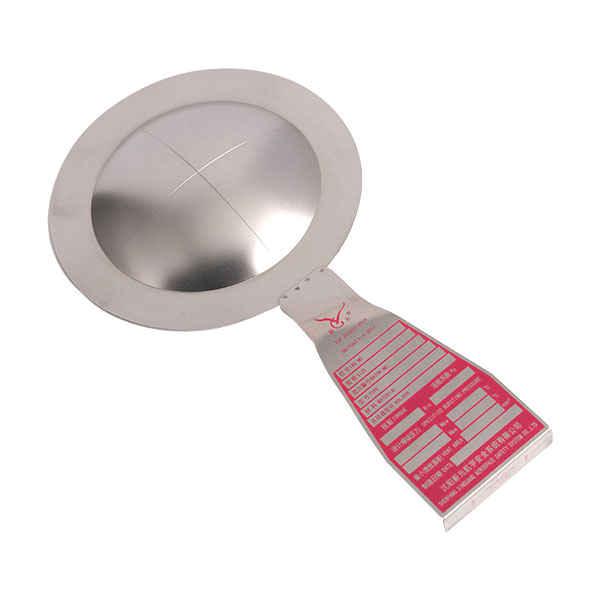
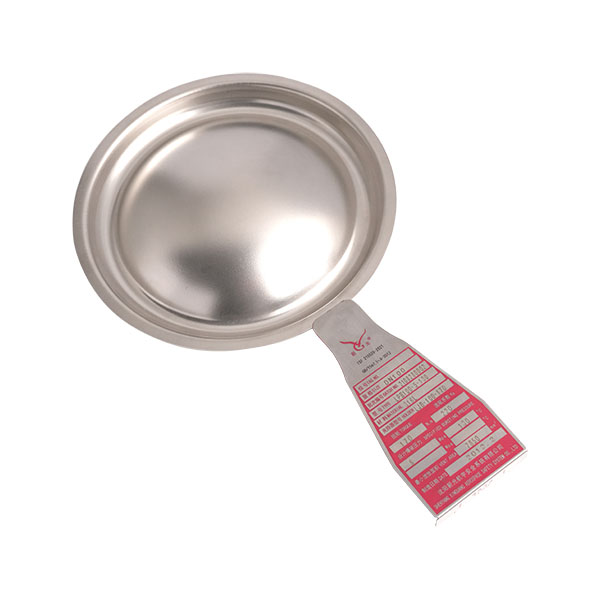
As a key pressure relief device, chemical rupture disc has the advantages of zero leakage, blockage resistance, and fast response, especially suitable for highly toxic, high-viscosity or easily polymerized media. Wrong selection can lead to accidental explosion shutdown or equipment damage, so scientific selection is crucial.
The first step in selection is to collect the actual operating conditions of the reactor:
1.Pressure parameters: The bursting pressure is usually set to 1.05~1.10 times the maximum working pressure, and shall not exceed 80% of the design pressure. It should be noted that if there is back pressure on the outlet side of the rupture disc, the balanced or reverse arch type rupture disc should be selected.
2.Temperature parameters: temperature directly affects the strength of the material, and the correction coefficient of the material must be queried according to the actual temperature. Ignoring the temperature will cause the actual detonation pressure to far exceed the design value and lose the protective effect.
3.Medium characteristics: corrosive media need to choose Hastel alloy and tantalum; High viscosity or easy polymerization media should be preferentially selected as the reverse arch type; Highly toxic media are recommended to be equipped with leakage monitoring or in series with safety valves.
4.Pressure fluctuations: frequent fluctuations (≥10 times/day) prefer the reverse arch type with good fatigue resistance; In static working conditions, the positive arch carving groove type can be selected.
The structure of rupture discs determines their applicable scenarios, and the comparison of common types:
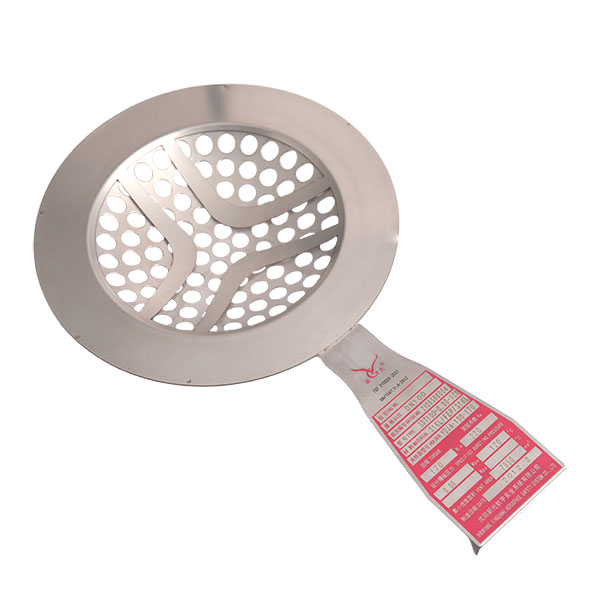
1.Ordinary arch type: low price, simple structure, but poor fatigue resistance and may produce fragments. It is suitable for low-pressure static working conditions and is generally not recommended for chemical reactors.
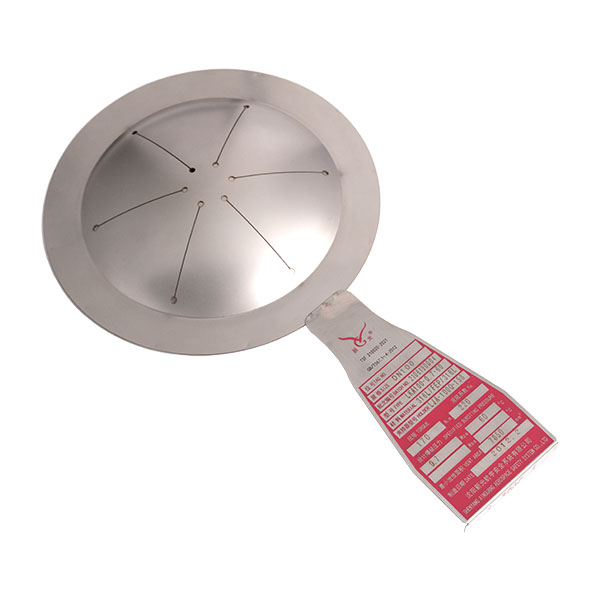
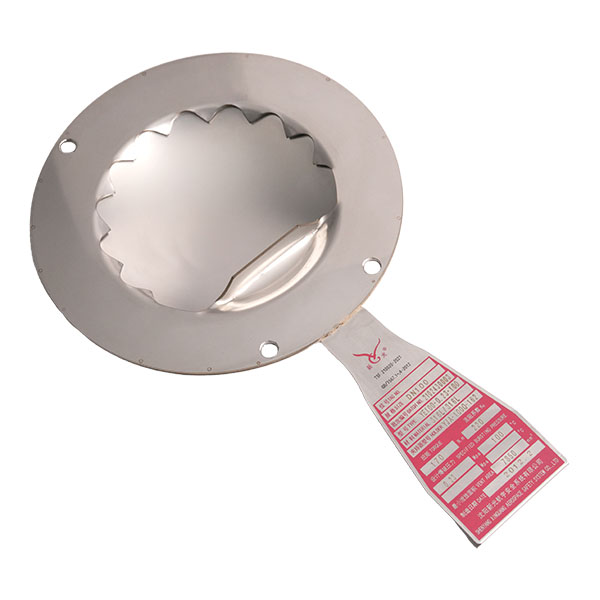
2.Orthoarch carving groove type: precise blasting pressure, less fragments, but sensitive to notch corrosion. It can be used in occasions with small fluctuations and clean media.
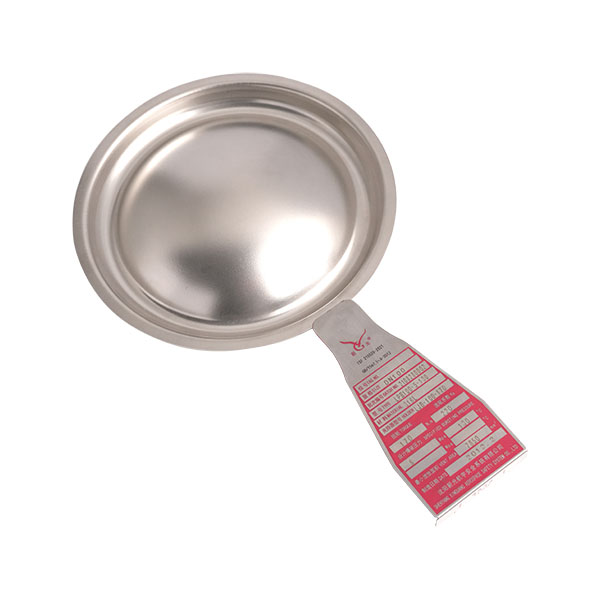
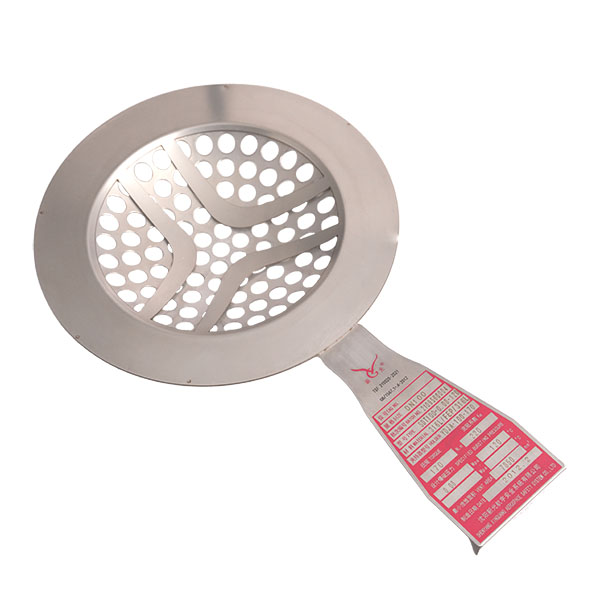
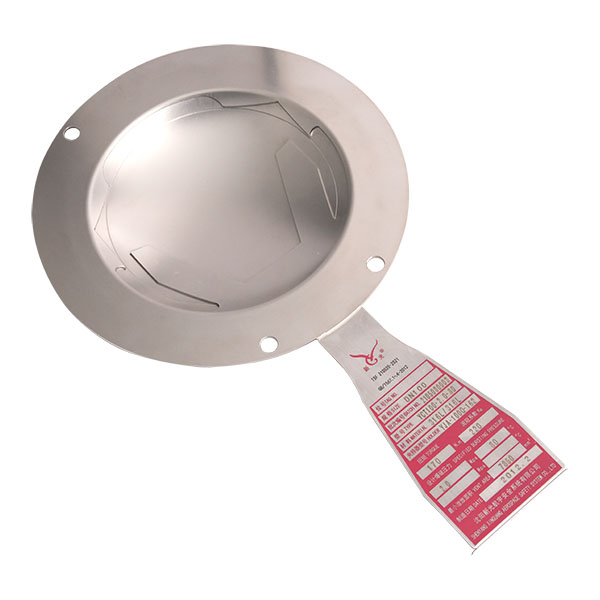
3.Reverse arch type: good fatigue resistance, no fragments, large circulation area. The disadvantage is that it is susceptible to back pressure. For most reactors with pressure fluctuations or complex media, the reverse arch type is the optimal choice.
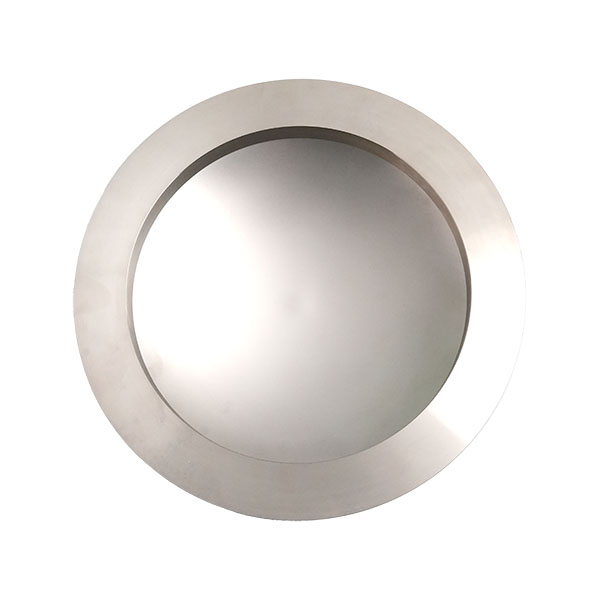
4.Planar type: only available under extremely low pressure (<0.1MPa), poor accuracy and easy creep.
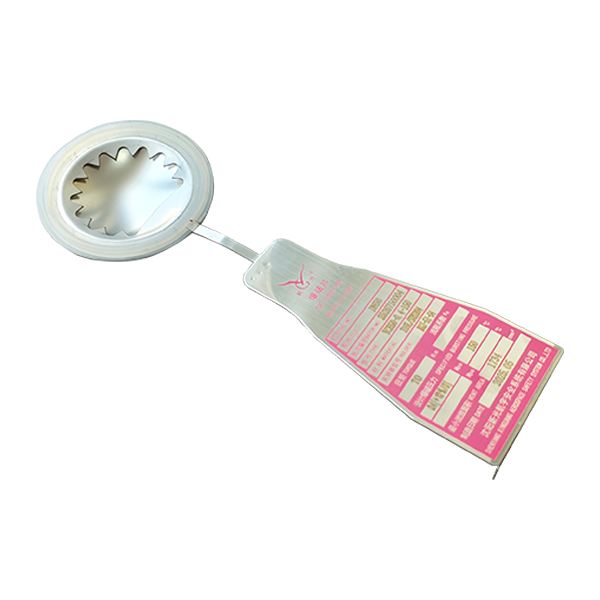
5.Composite type: with metal diaphragm as the main compression layer and PTFE as the corrosion-resistant layer, taking into account strength and anti-corrosion, suitable for strong corrosive media, but high cost and slightly slower response.
According to the above characteristics, for most chemical reactors, the reverse arch type is preferred, especially in processes with pressure fluctuations such as polymerization, nitrification, and hydrogenation.
Specification for the Installation and Connection Design of Rupture Discs:
1.Diameter Determination: The required relief area should be calculated based on the maximum gas generation rate of an uncontrolled reaction (refer to API 520 or ISO 4126) and should not be chosen arbitrarily based on experience.
2.Installation Location: Preferably installed directly in the vapor space at the top of the vessel; if a short pipe connection is required, the length should be ≤5 times the pipe diameter to avoid affecting the response time.
3.Installation Requirements: Holders must be original and matched; different brands cannot be mixed; tighten symmetrically according to the specified torque; the back of an inverted dome faces the pressure side, opposite for a forward dome; discharge pipelines should be designed with supports to withstand the rupture thrust, with the outlet facing a safe area.
4.Post-installation Inspection: Visually check the disc for deformation or damage; if equipped with a leakage monitoring device, confirm that the alarm function is working properly.
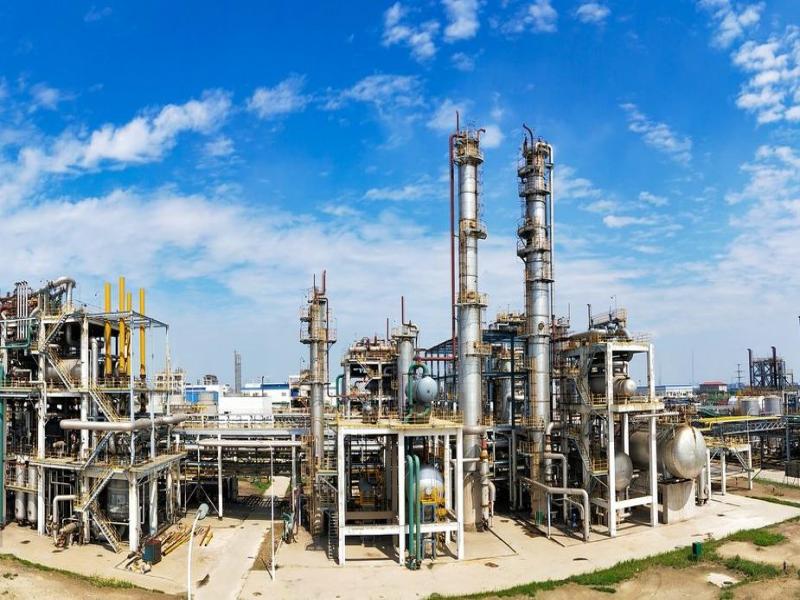
To select the appropriate chemical rupture disc for a chemical reactor, it is necessary to systematically consider key factors such as operating parameters, structural type, corrosion-resistant materials, and installation standards. Shenyang Xinguang Aerospace Safety System Co., Ltd. has over 60 years of experience in rupture disc development and holds international certifications such as ASME and CE. Its series products, including reverse dome and forward dome types, have been stably operating in large projects with Sinopec and PetroChina, capable of adapting to complex conditions of reactors such as high-frequency fluctuations, strong corrosion, and vacuum. We welcome buyers to contact us to choose safer and more reliable chemical rupture discs.
