
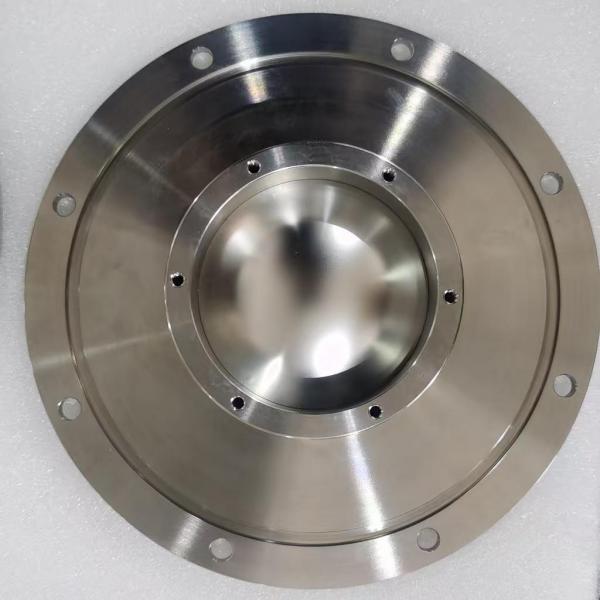
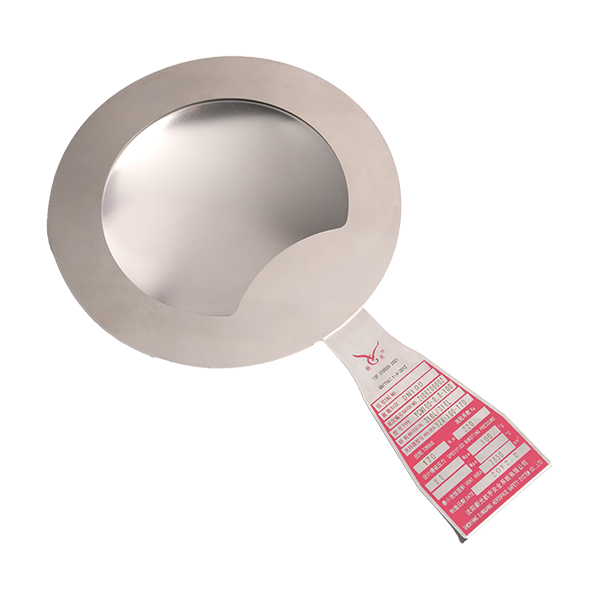
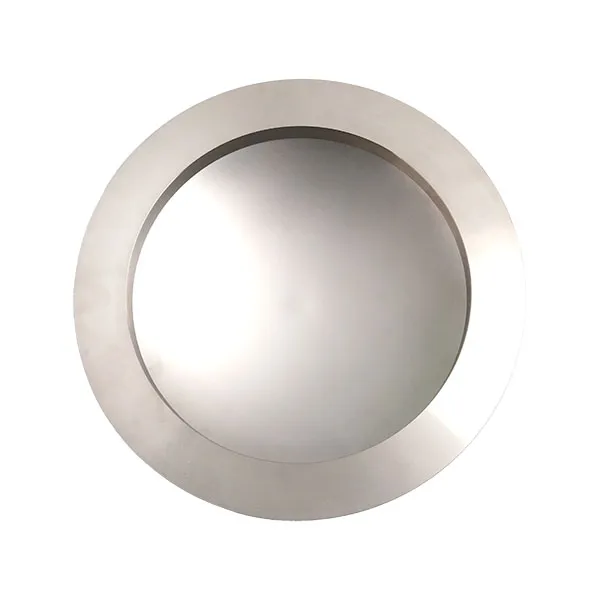
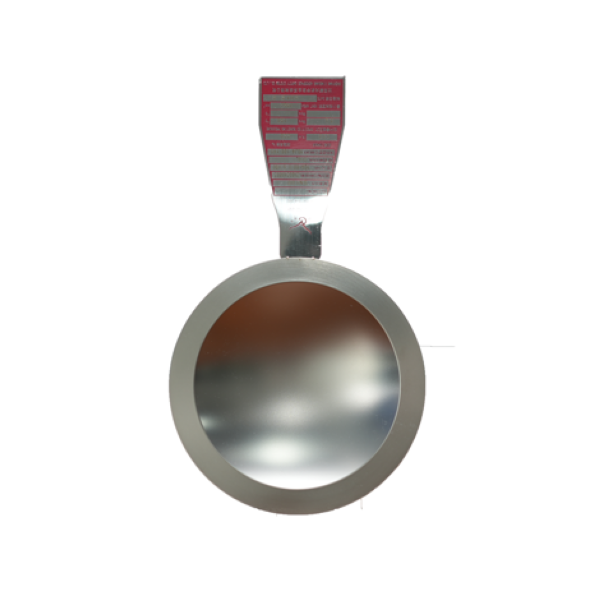
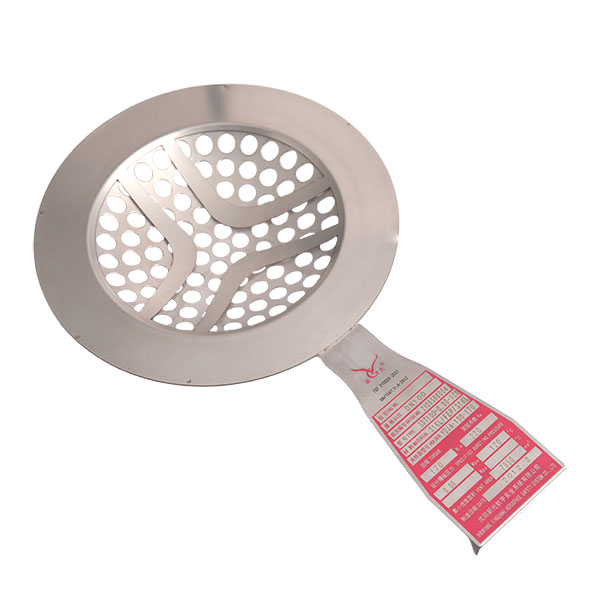
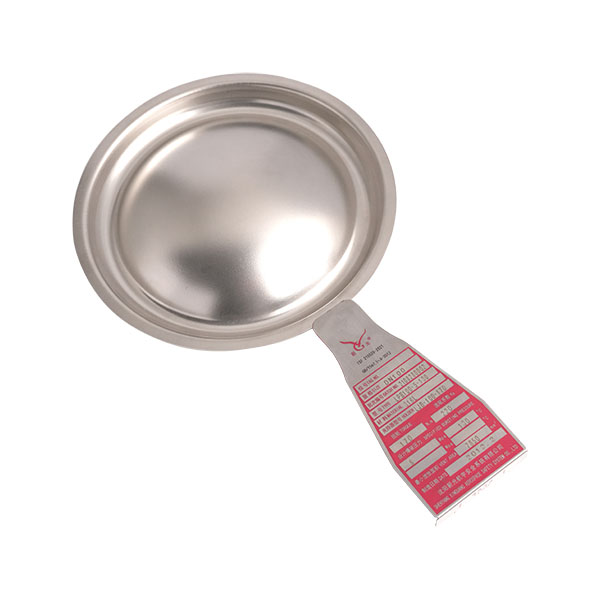
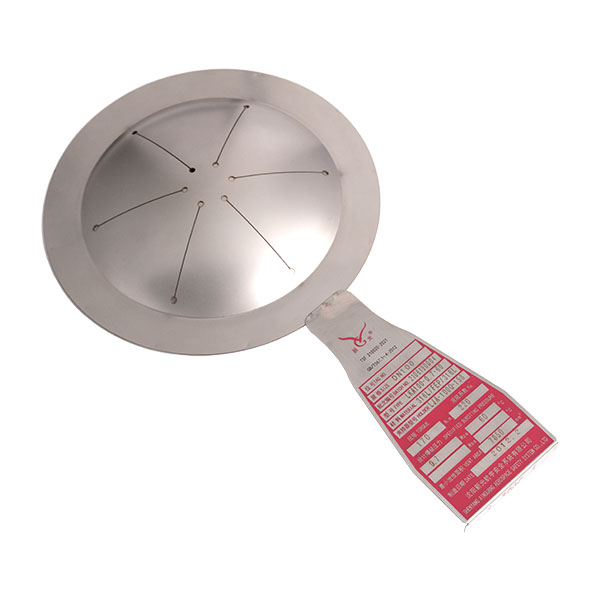
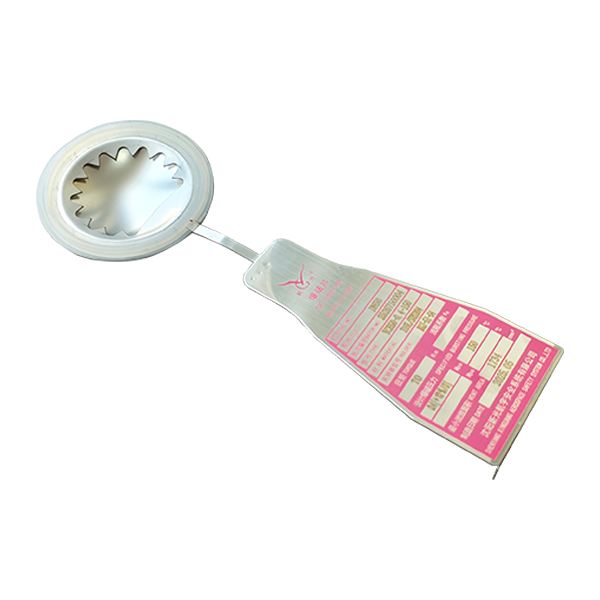
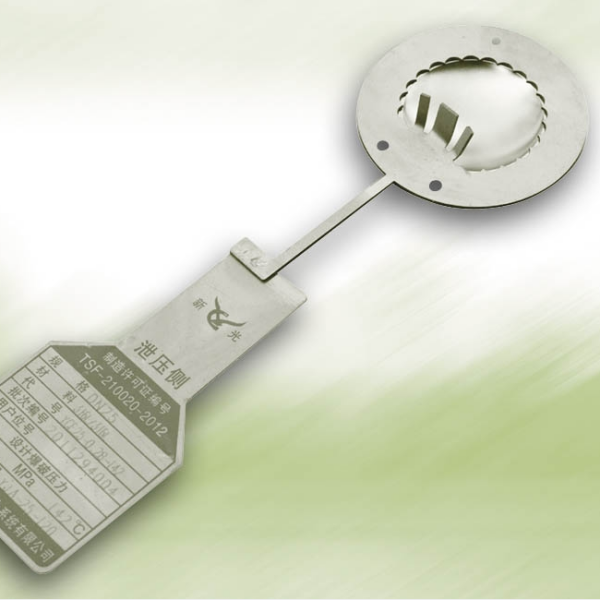
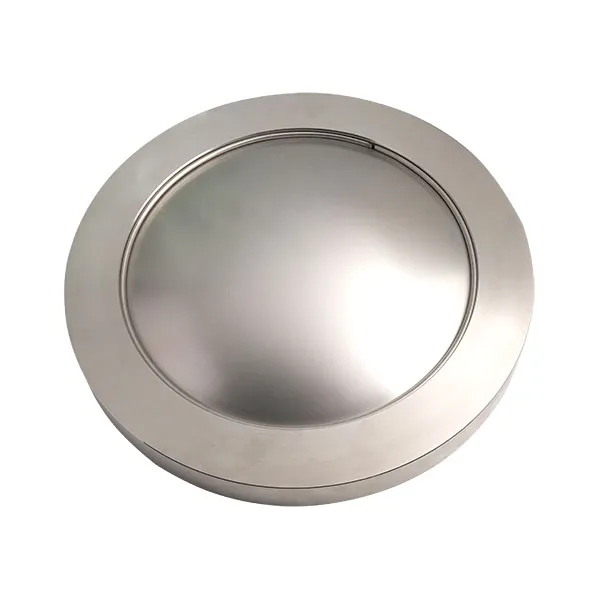
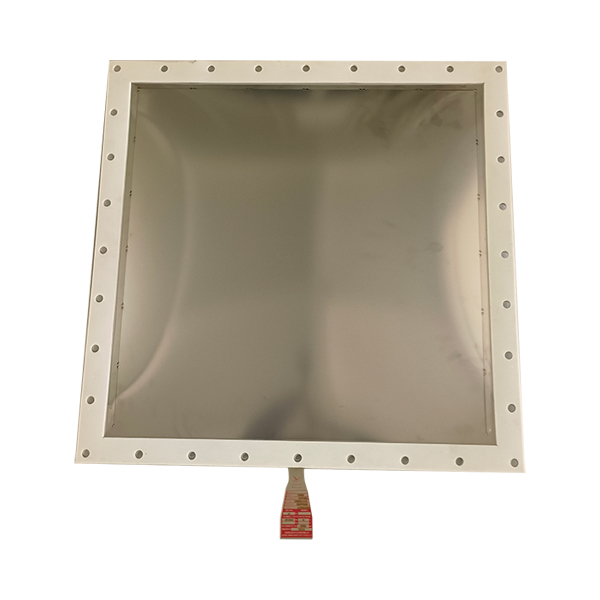
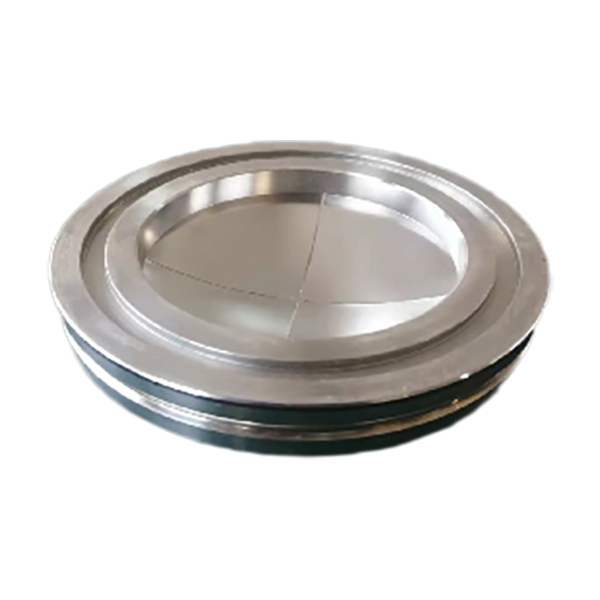
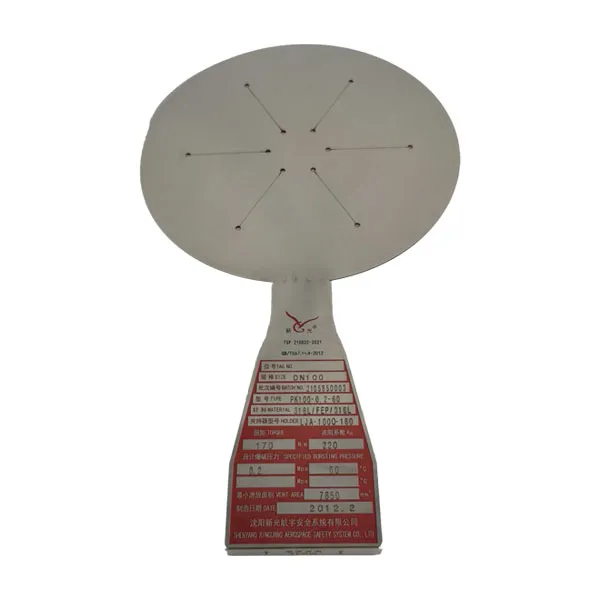
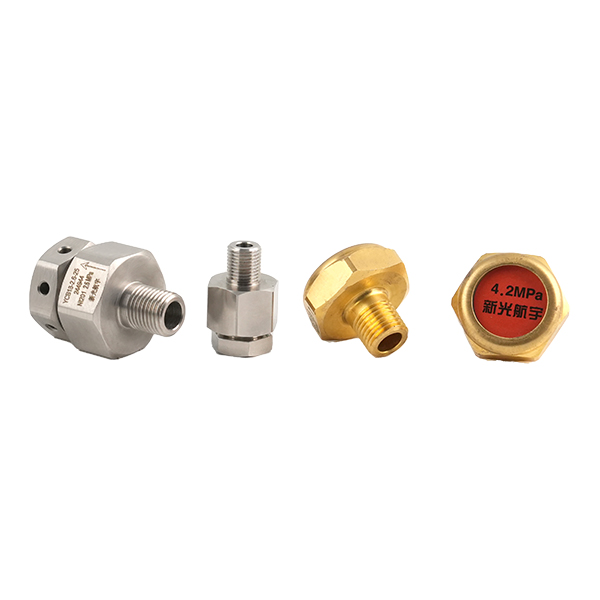
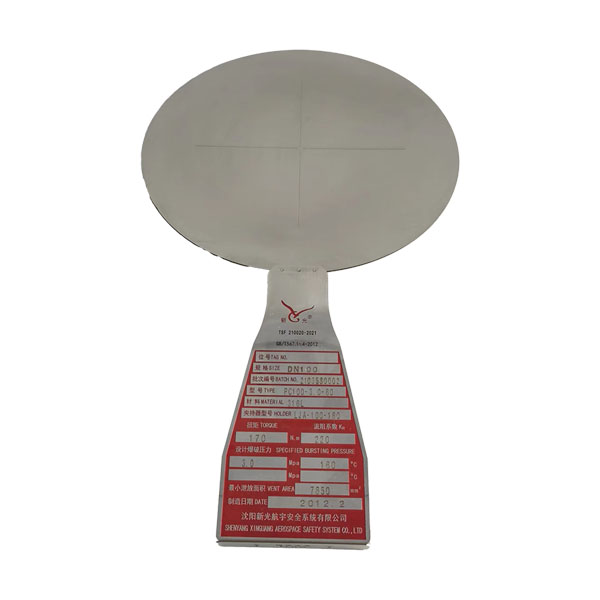
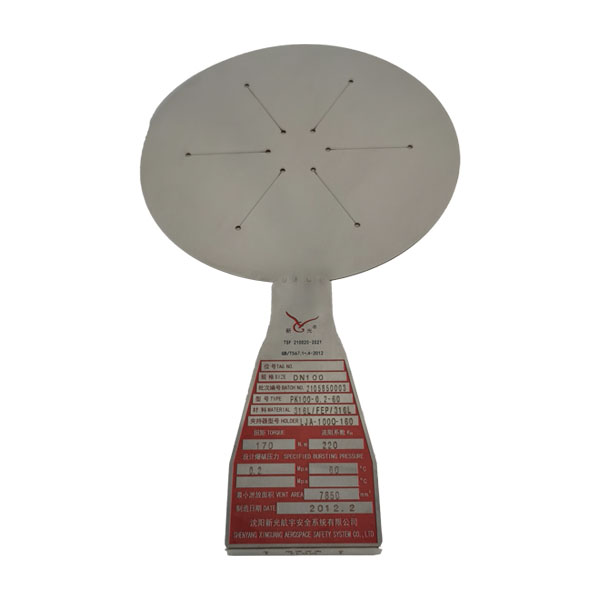
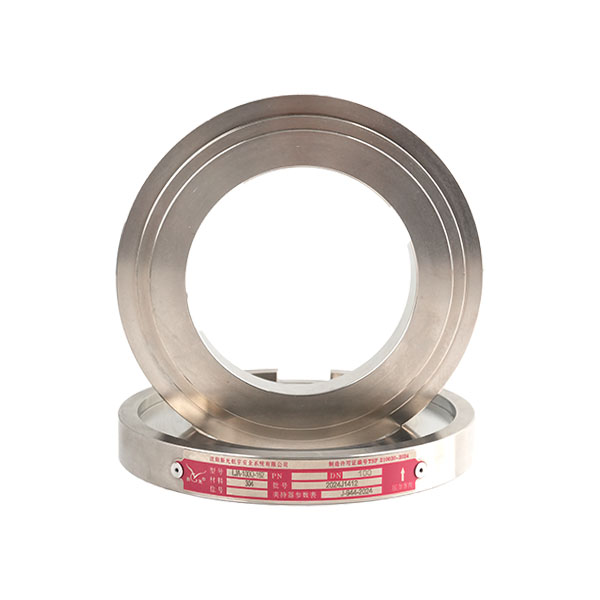
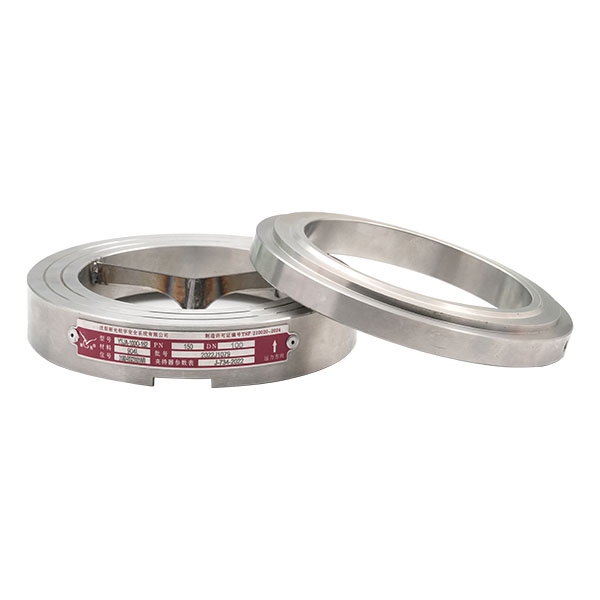
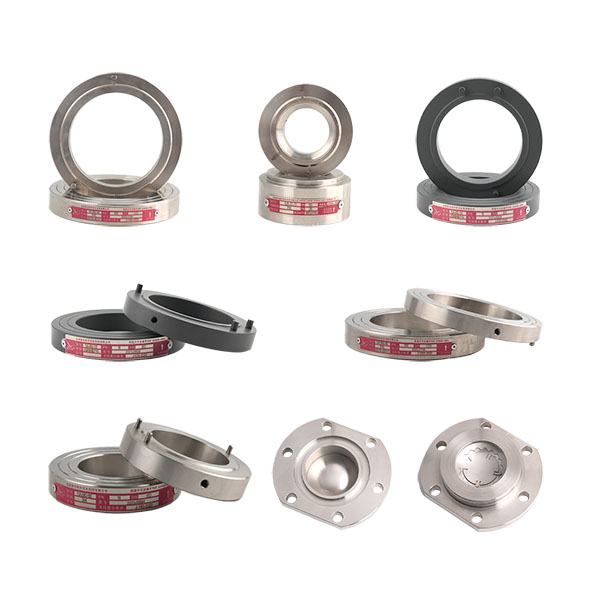
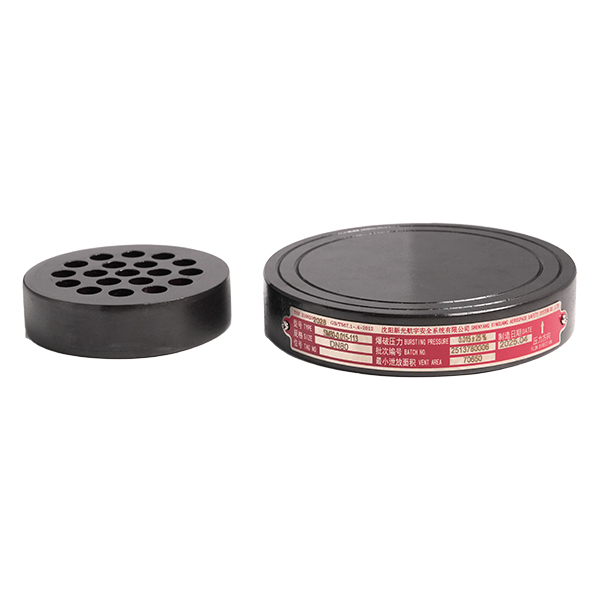
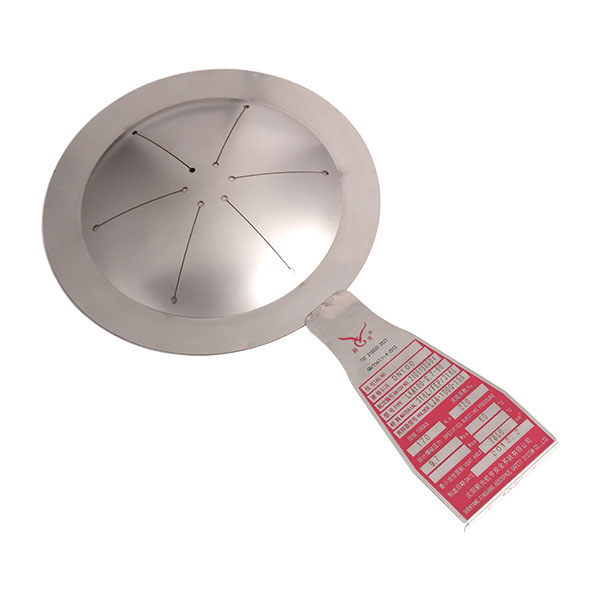
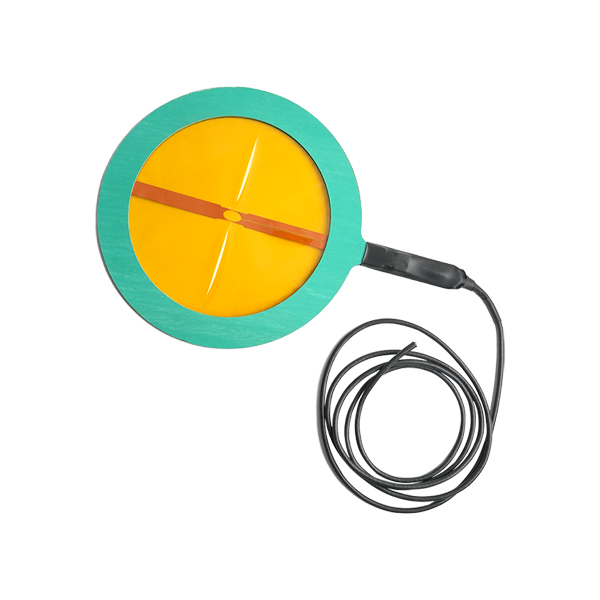
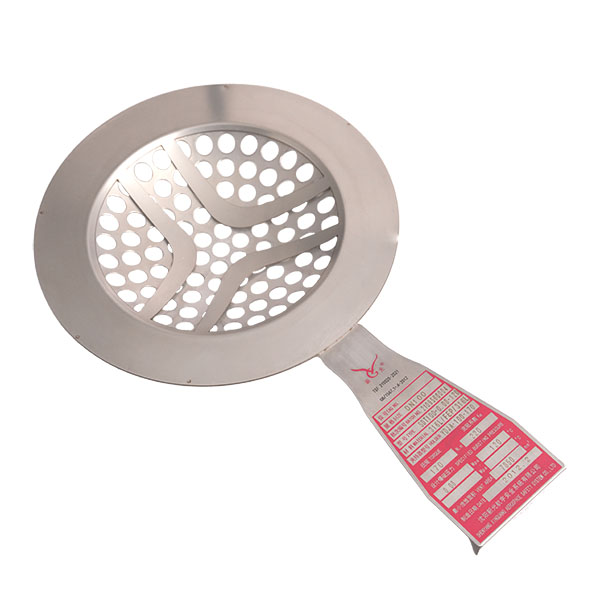
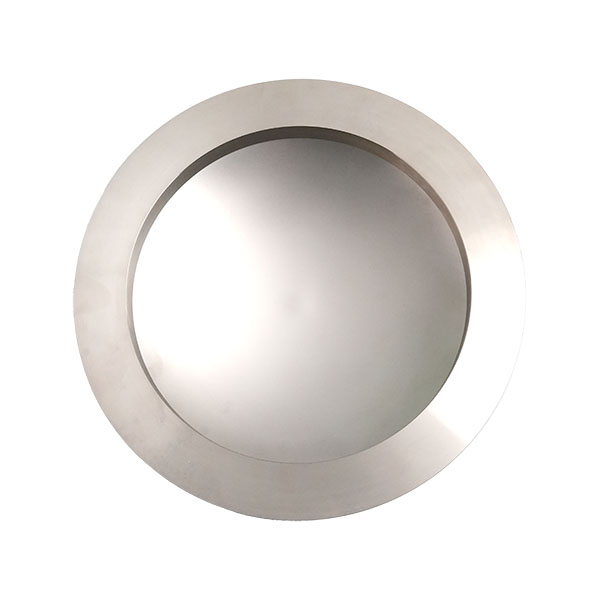
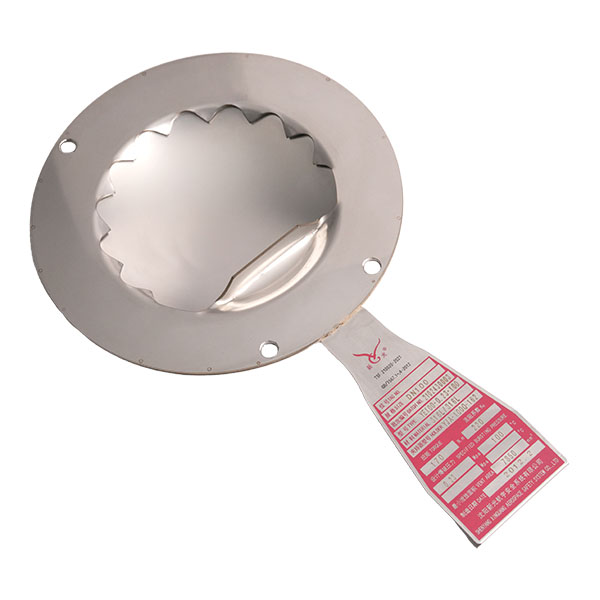
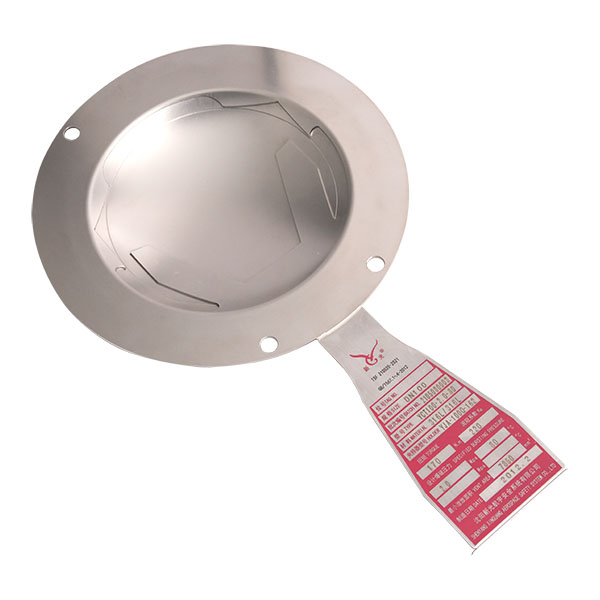
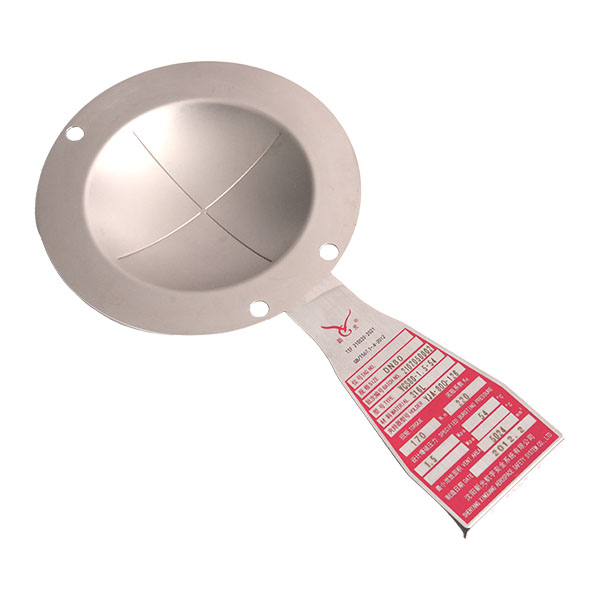
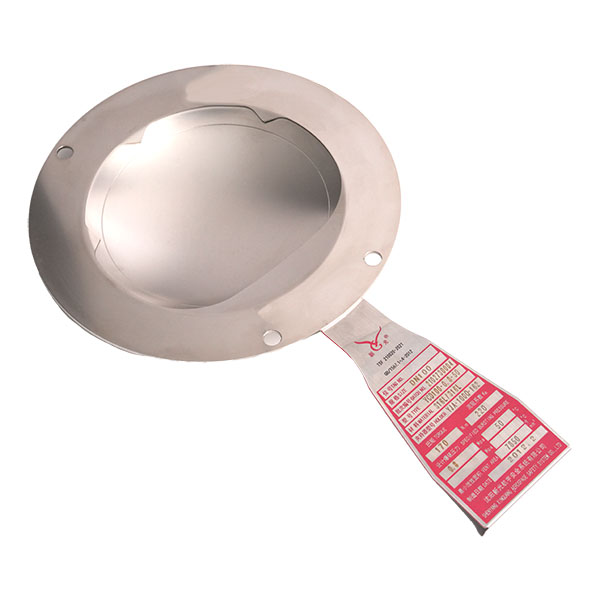
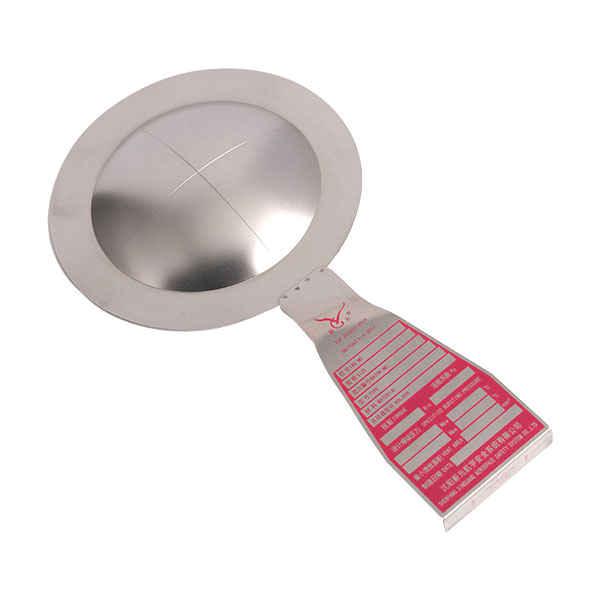
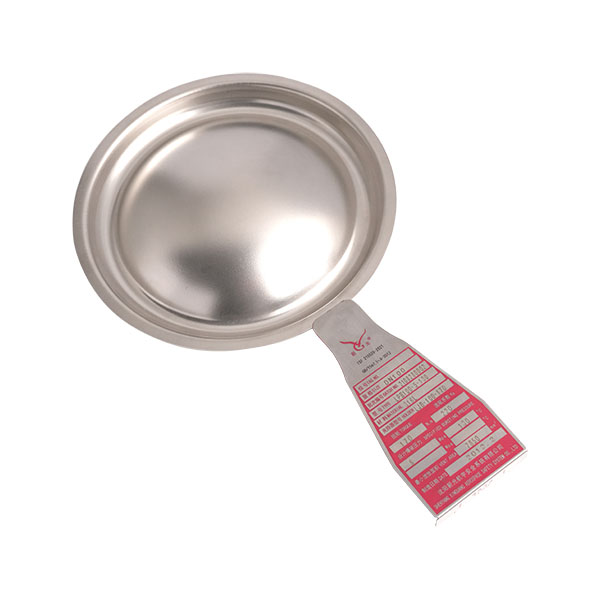
A graphite bursting disc is best used in highly corrosive environments where metallic discs like stainless steel or even exotic alloys would fail due to chemical attack. Graphite is chemically inert to most acids, alkalis, and solvents. It is also the preferred choice for low-pressure applications (below 1 bar) where metal foils would be too thin and fragile to be reliable.
The "Invisible" Enemy: Corrosion
Many perfume brands and chemical processors focus too much on the pressure rating and ignore the chemical compatibility during mass production. We’ve seen leakage issues appear only after a few weeks of exposure to aggressive vapors that "pitted" a stainless steel disc.
Honestly, this is where many buyers get confused. They think if they buy a 316L Stainless Steel rupture disc, it’s "good enough" for everything. But in the world of aggressive acids, even 316L is like a sugar cube in hot coffee.
Why Graphite is the "Old Reliable" of Chemistry
In real projects involving pharmaceutical reactors or fine chemical production, you need a material that doesn't care what’s touching it. That’s graphite.
What many buyers overlook is that graphite isn't just "one thing." Our graphite bursting disc is impregnated with high-quality resins to ensure it’s non-porous. Without that resin, the gas would just seep right through the material.
Here’s the problem with Graphite
It’s brittle. Unlike a flat rupture disc made of metal that might bend, a graphite disc will shatter.
Fragmentation: Graphite always fragments. You cannot use it if you have downstream equipment that can't handle small particles.
Temperature sensitivity: While graphite handles heat well, the resin inside it usually has a limit (around 180°C). For higher temperatures, we add cooling spacers.
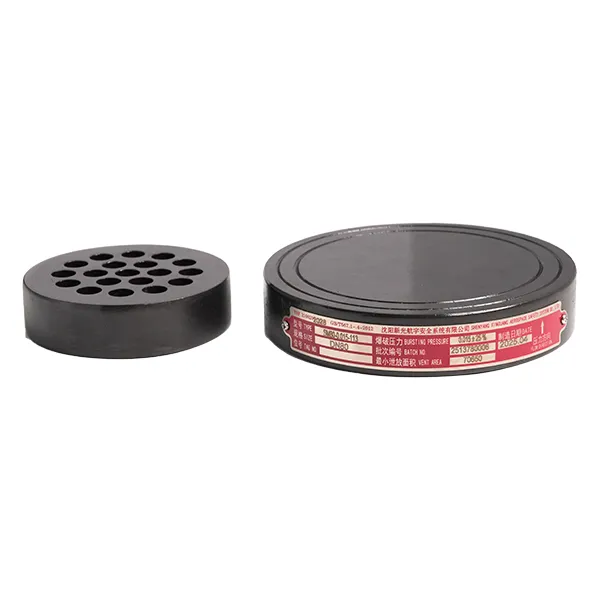
Engineering Insight: The Low-Pressure King
If you need a disc to burst at 0.05 bar (very low pressure), a metal disc would have to be as thin as a piece of hair. It would be impossible to handle without breaking. A graphite bursting disc, however, can be machined to a thickness that is physically robust while still being calibrated to pop at that tiny pressure.
FAQ: Graphite Specifics
1. Does graphite require a special holder?
Yes. Graphite is brittle, so it can't be clamped directly between standard rough flanges. It requires a specialized, smooth-machined graphite holder.
2. Is it fragile for shipping?
Yes. We’ve seen many broken discs due to poor logistics. We use custom-molded foam packaging to ensure SYXGHY discs arrive in one piece.
3. Can I use graphite for steam?
Yes, but you must monitor the resin's temperature limit.
4. What’s the lead time for custom graphite?
Because we do our own resin impregnation and CNC machining, we can usually turn custom sizes around in 2-3 weeks.
5. Can it handle vacuum?
Standard graphite discs can, but at very low burst pressures, you may need a vacuum support to prevent the disc from "imploding" the wrong way.
Summary for the Plant Manager
When your process is "angry" (highly corrosive) or "gentle" (very low pressure), the graphite bursting disc is usually the right tool for the job. Don't fight a losing battle with metal corrosion; let the carbon do the work.
