
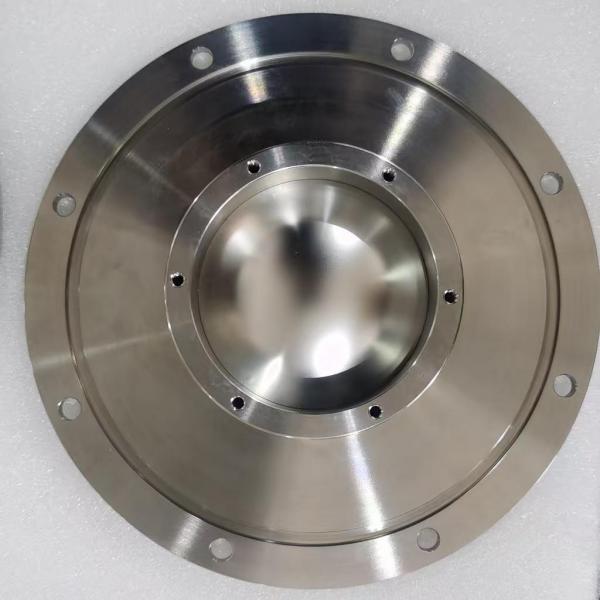
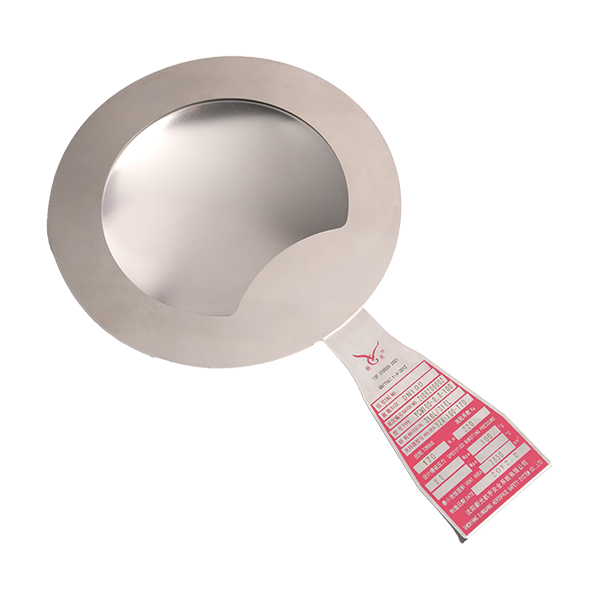
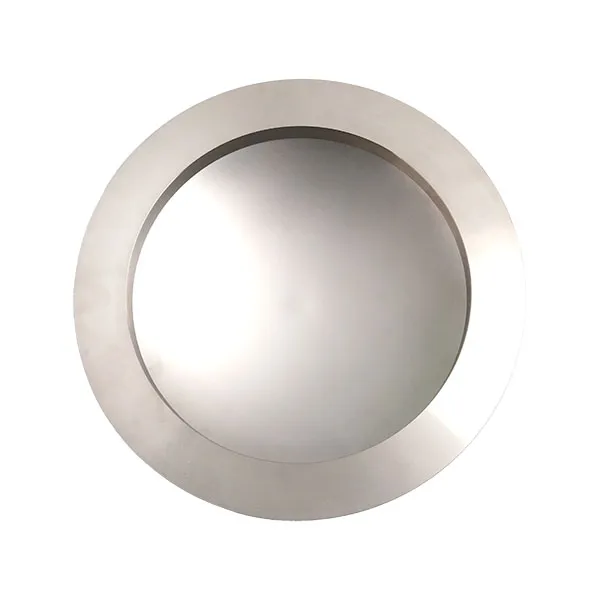
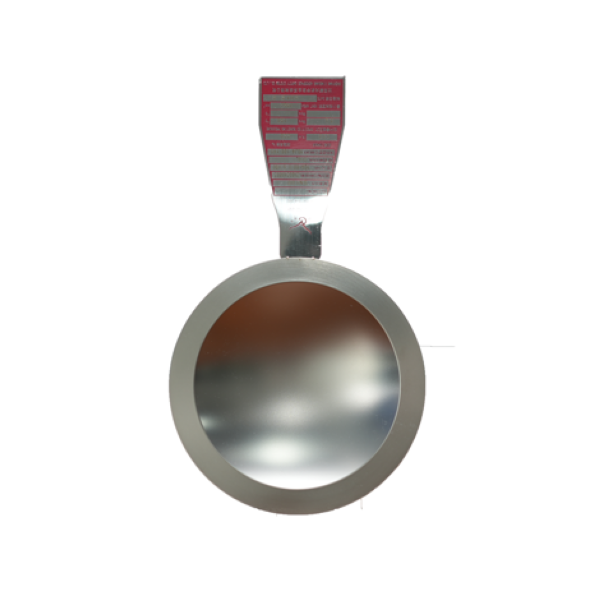
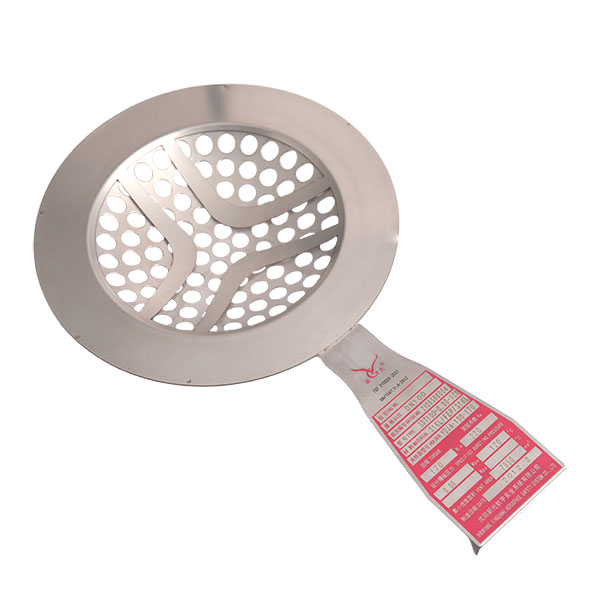
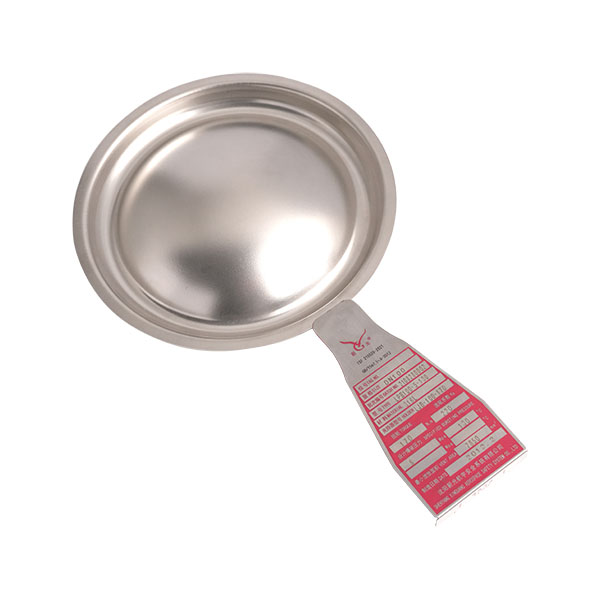
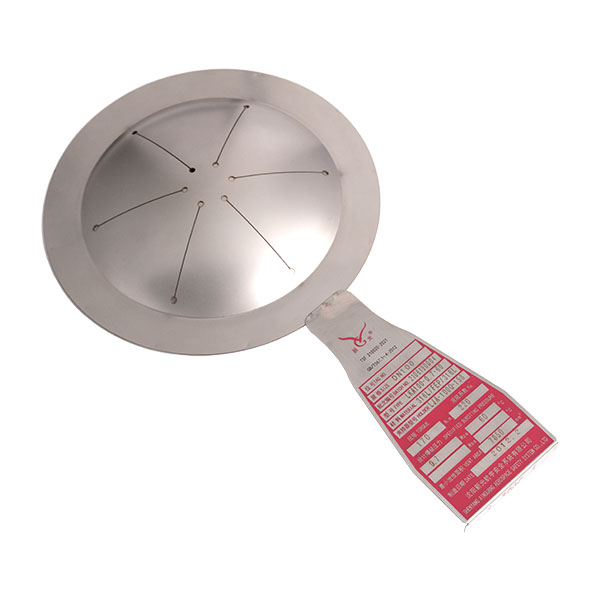
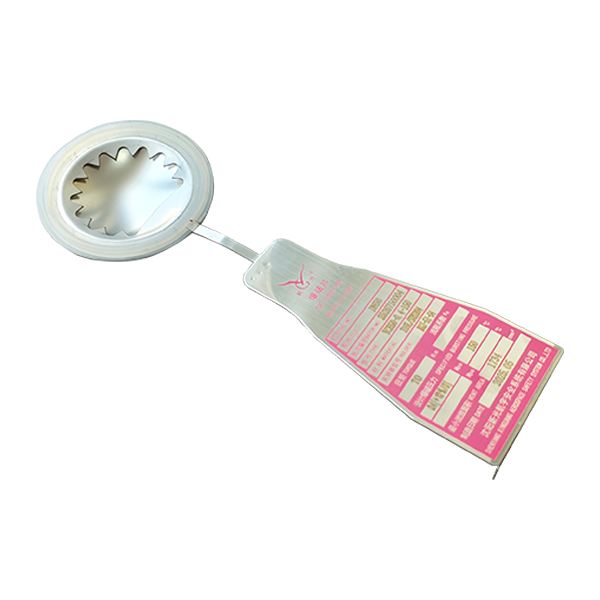
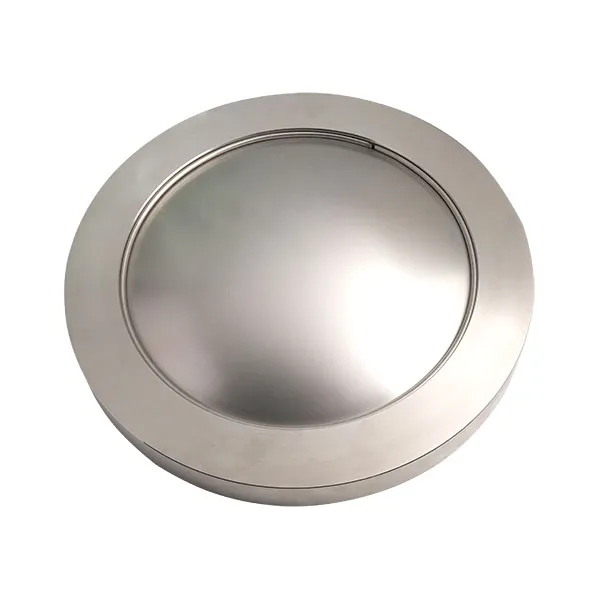
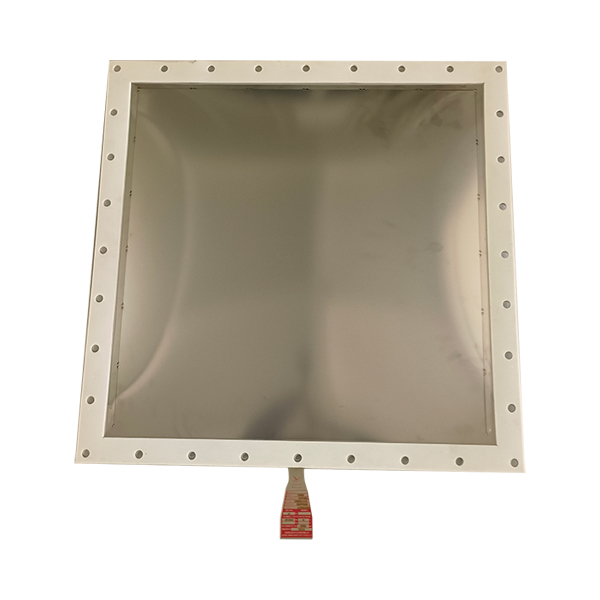
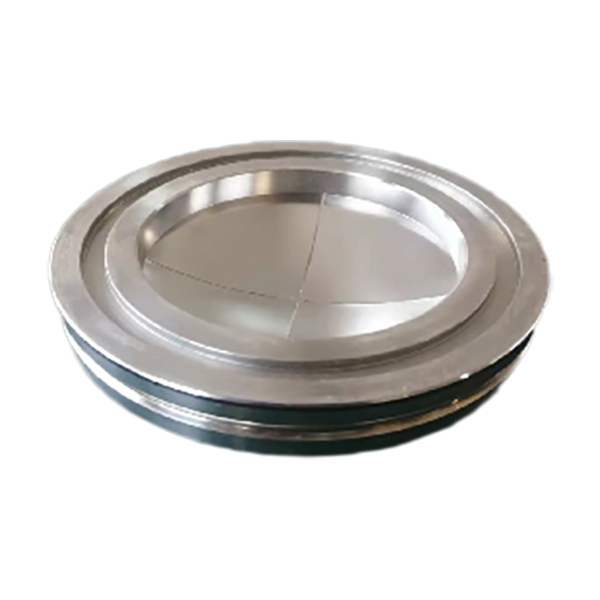
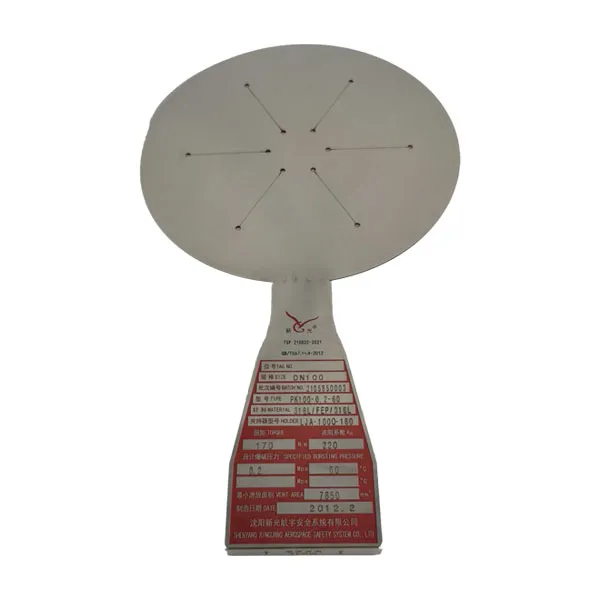
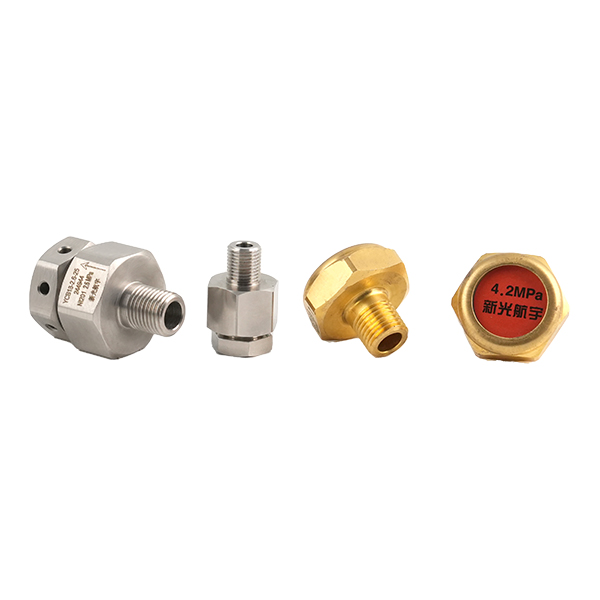
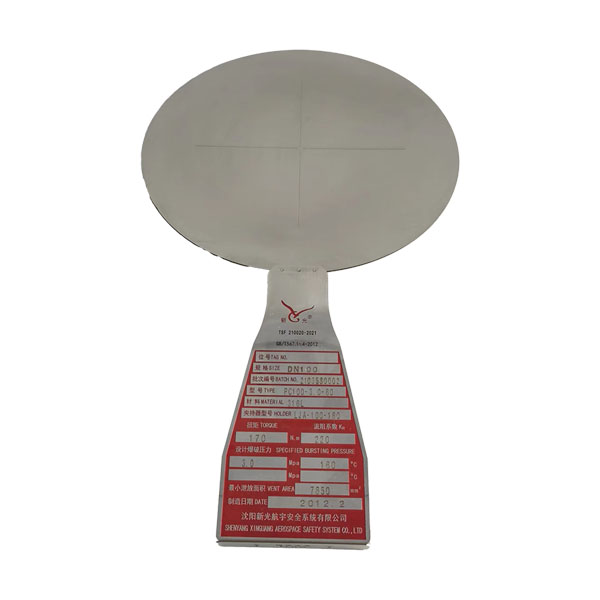
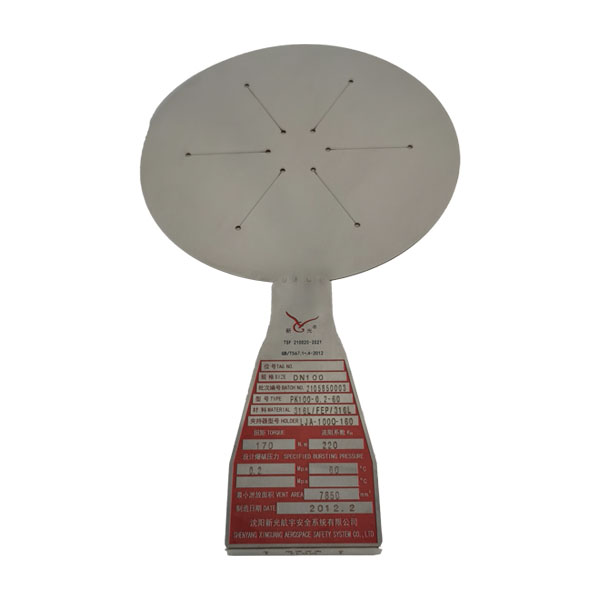
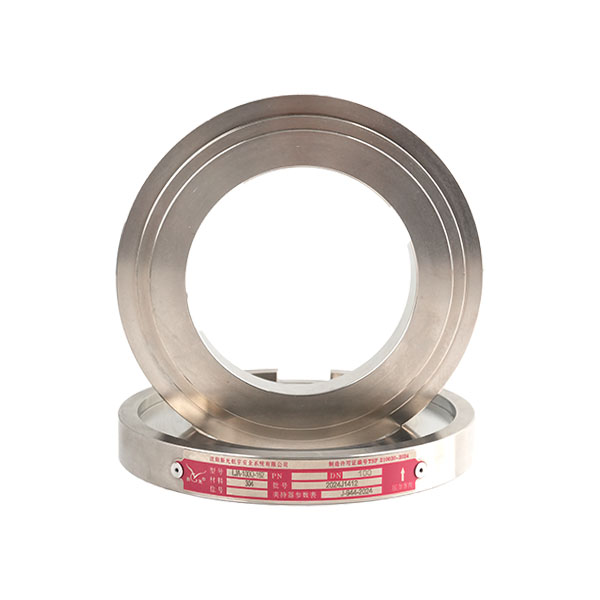
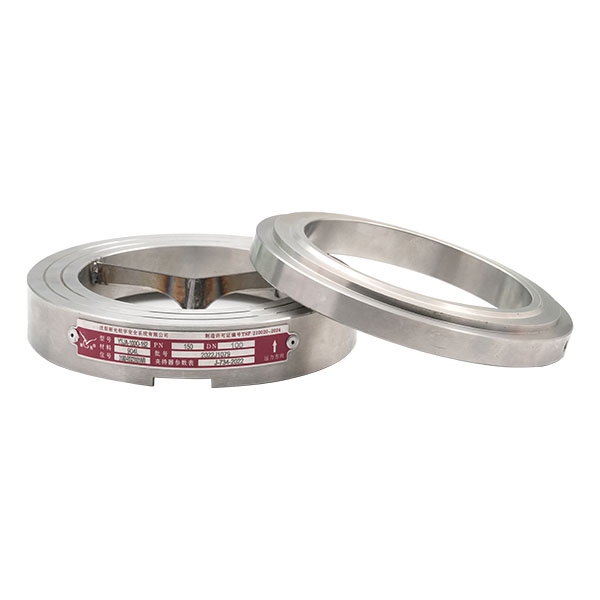
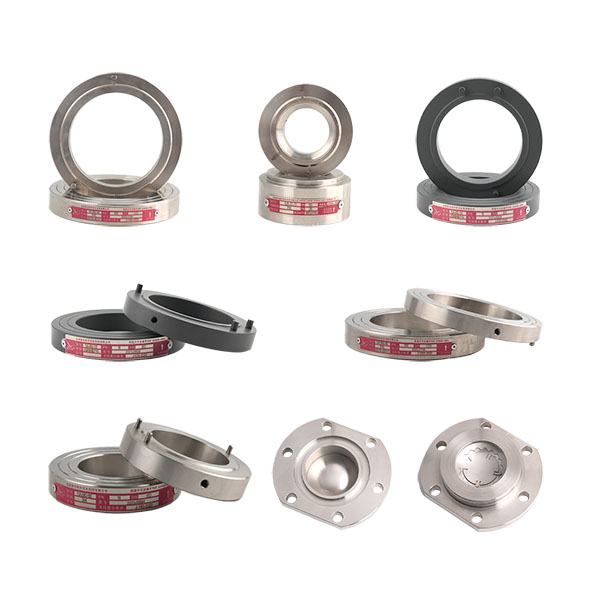
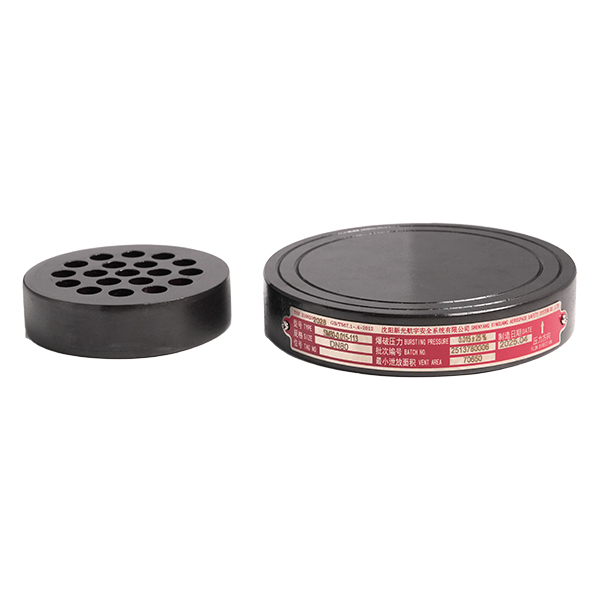
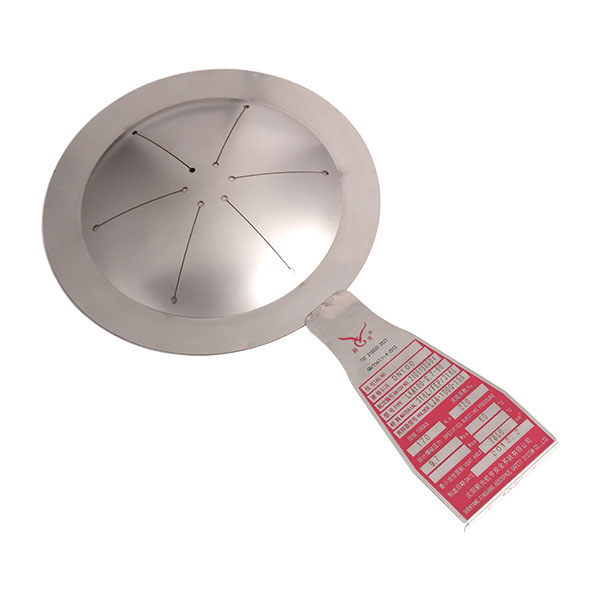
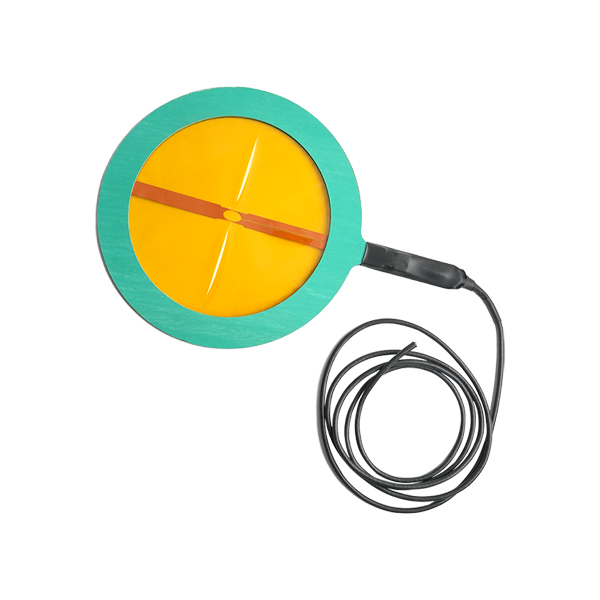
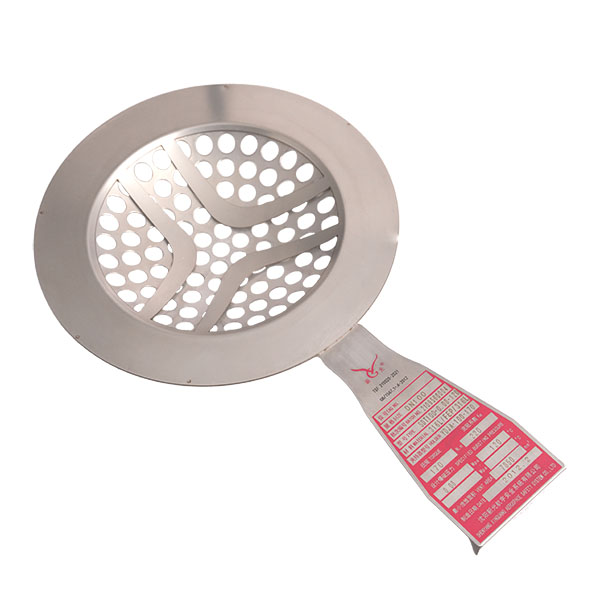
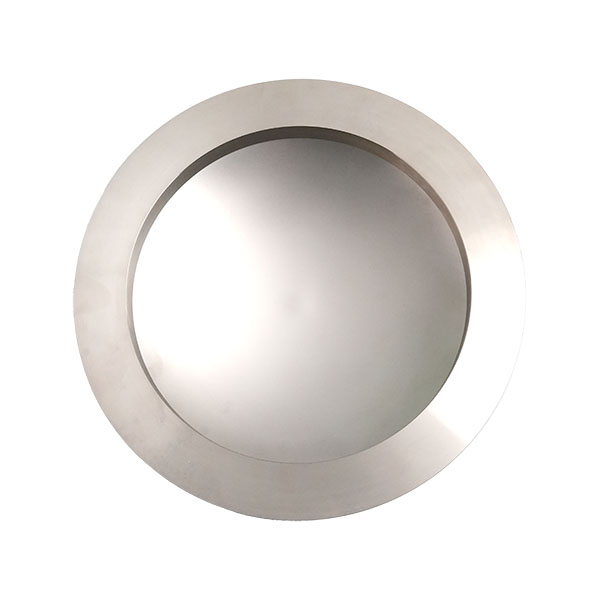
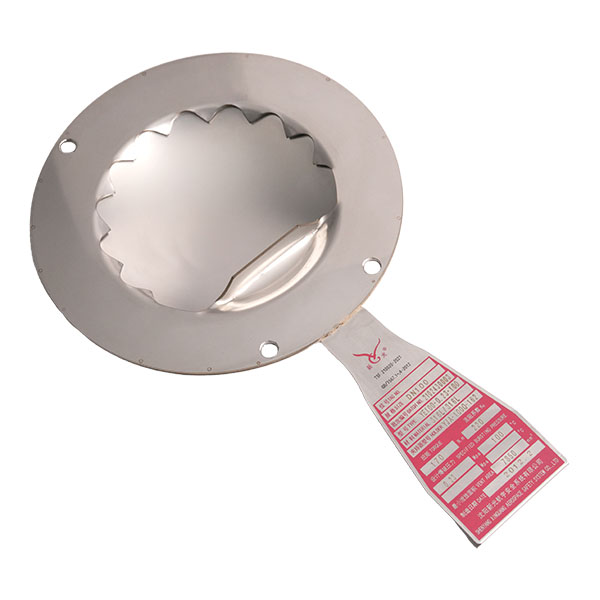
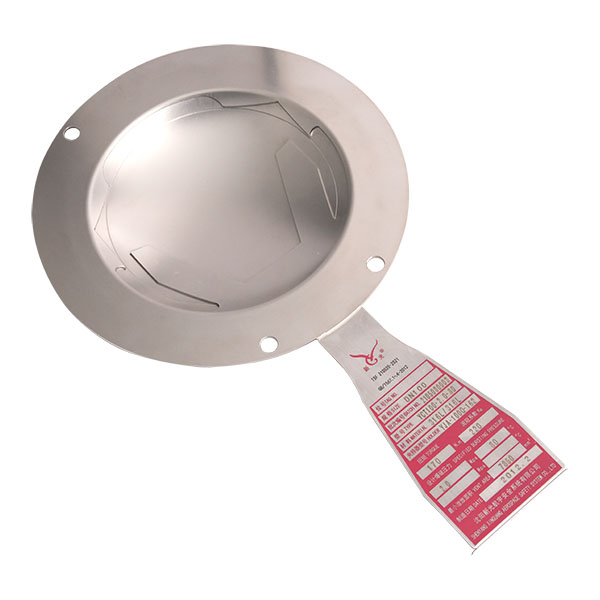
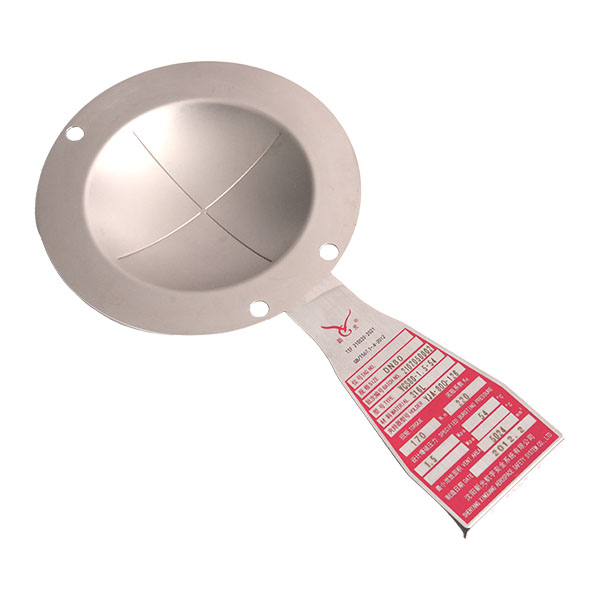
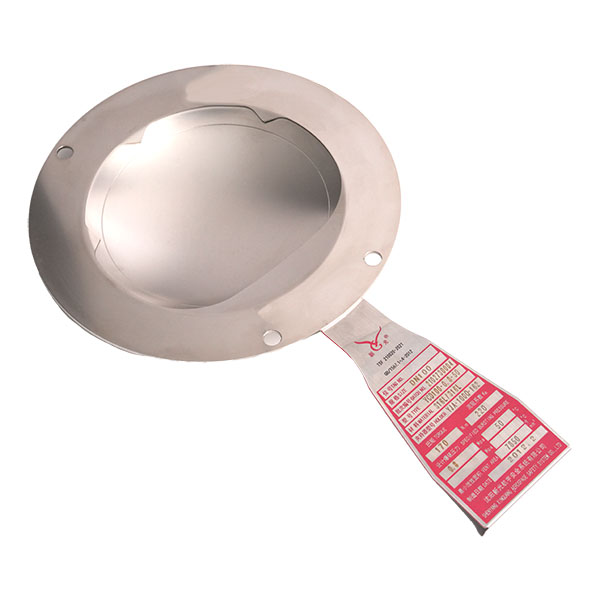
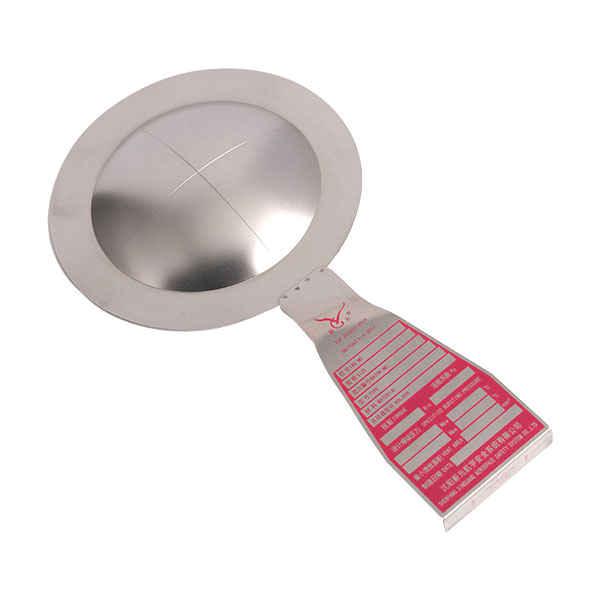
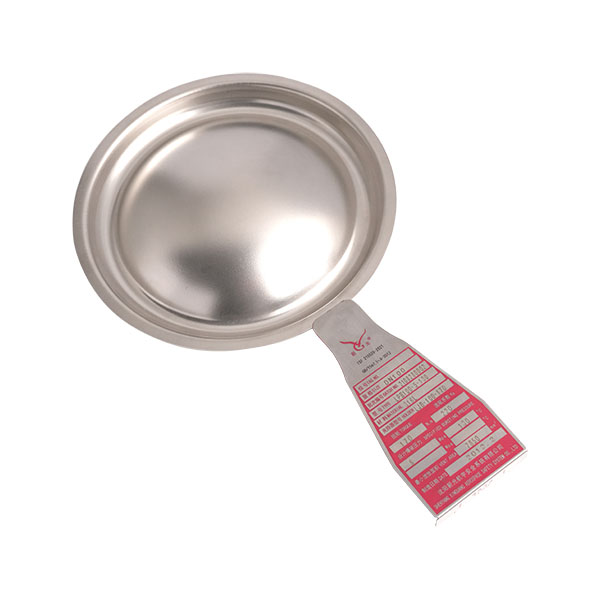
The main difference between a reverse buckling rupture disc and a positive arch rupture disc is the direction of the pressure and the stress on the material. A reverse buckling disc is installed with the dome facing the pressure (compression), allowing for higher operating ratios and longer life in cycling conditions. A positive arch disc faces away from the pressure (tension), making it simpler and cheaper but more prone to fatigue and premature failure.
The "Tension vs. Compression" Debate
Here’s the thing: Most engineers are taught that "a disc is a disc." But if you’re managing a high-pressure OEM system, that mindset is going to cost you money.
What many buyers overlook is how the metal actually behaves under load. Imagine holding a dome of thin metal in your hands. If you pull it from the edges (tension), it will eventually tear. That is a positive arch rupture disc. If you push on the top of the dome (compression), it stays strong until it suddenly "flips" or collapses. That is a reverse buckling rupture disc.
Why we see so many failures in the field
In real projects, specifically in the oil and gas sector, pressure isn't a flat line. It’s a pulse. Every time a pump kicks in, the pressure spikes.
I remember a site visit to a refinery where they were replacing their rupture disc every 45 days. They were frustrated. They blamed the "cheap metal." But the metal wasn't the problem—the physics was. They were using a positive arch design at 80% capacity. The constant "stretching" of the metal caused microscopic cracks. We switched them to our Reverse Buckling Rupture Disc. Because the dome is in compression, it doesn't "stretch" with every pulse. It just sits there, rock solid, until the exact burst pressure is hit.
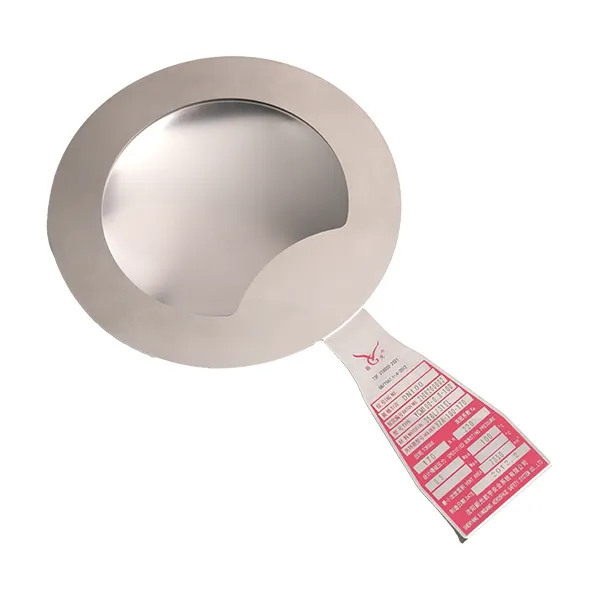
Precision Manufacturing: The Shenyang Xinguang Advantage
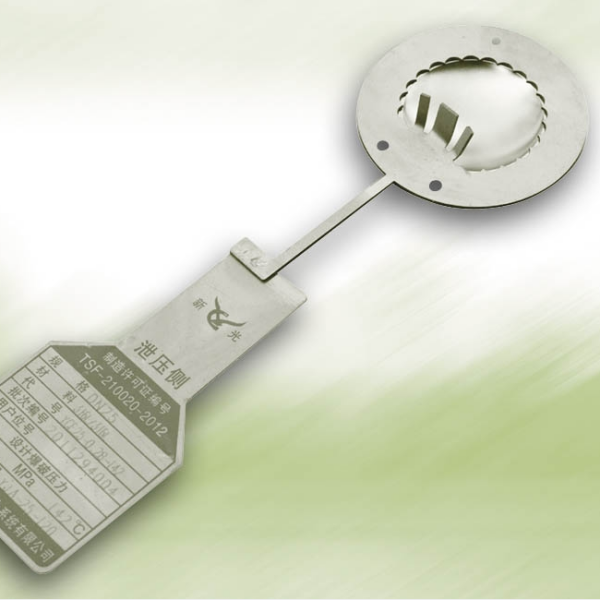
At our factory, we’ve found that the secret to a great reverse buckling rupture disc isn't just the metal—it’s the scoring technology. If you look at a Shenyang Xinguang disc under a microscope, the score line (the path where the metal will tear) is incredibly clean.
Manufacturing Range: We offer 0%, -5%, and -10%.
Non-fragmenting: Most of our reverse buckling designs are non-fragmenting, which is critical if you have a safety valve downstream.
Comparing the Specs
| Feature | Positive Arch | Reverse Buckling |
| Operating Ratio | 70% - 80% | 90% - 95% |
| Cycle Life | Moderate | Excellent |
| Fragmentation | Common | Rare (Non-fragmenting) |
| Price | Lower | Higher |
| Liquid Service | Great | Requires Vapor Space |
FAQ: Making the Choice
1. Can I use a reverse buckling disc for liquid service?
Most reverse buckling designs require a small pocket of gas or vapor to ensure the dome "snaps" properly. If the system is 100% liquid, you might need a specific design or stick with a flat rupture disc.
2. Why is the positive arch disc still so popular?
It’s simple and inexpensive. For static tanks that don't cycle pressure, it’s a perfectly valid, cost-effective solution.
3. Does Shenyang Xinguang offer custom sizes?
Yes, we specialize in OEM/ODM. We’ve designed discs as small as 3mm for specialized laboratory equipment.
4. What happens if I install a reverse buckling disc backwards?
It becomes a very high-pressure positive arch disc. It won't burst when it’s supposed to, which can lead to a catastrophic vessel failure. Never skip the installation guide.
5. Are these discs better for vacuum?
Yes. Reverse buckling discs are naturally more resistant to vacuum without needing extra support structures.
The Engineer’s Conclusion
If you want to reduce your maintenance budget, stop buying based on the lowest unit price. A reverse buckling rupture disc might cost 20% more upfront, but if it lasts five times longer and prevents a single unscheduled shutdown, it’s the cheapest component in your plant.
