
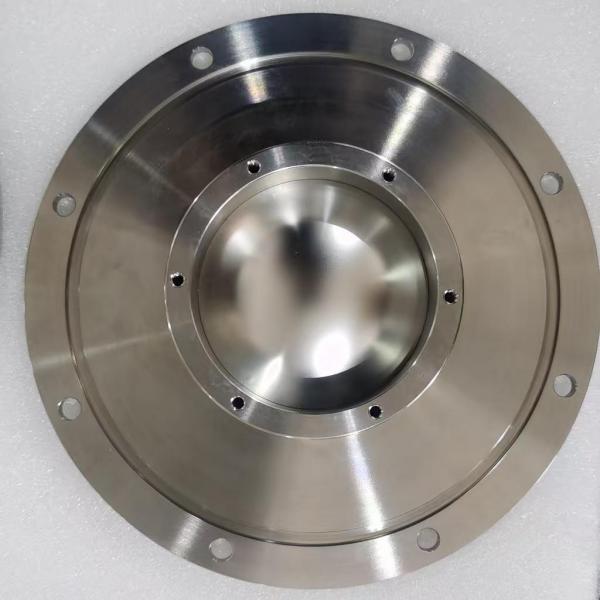
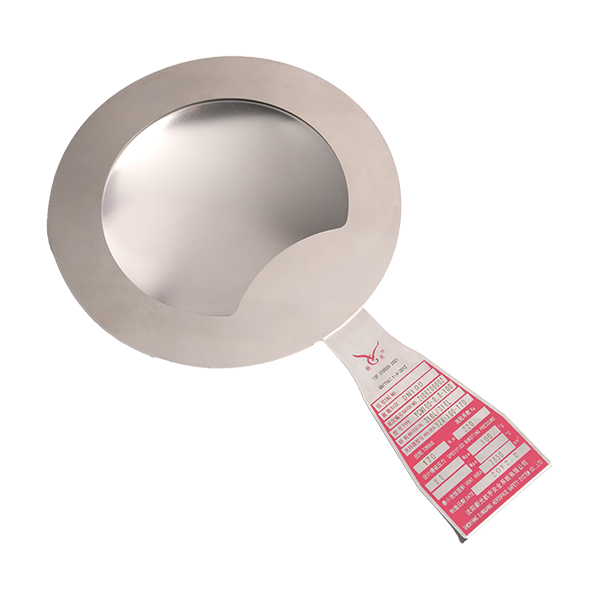
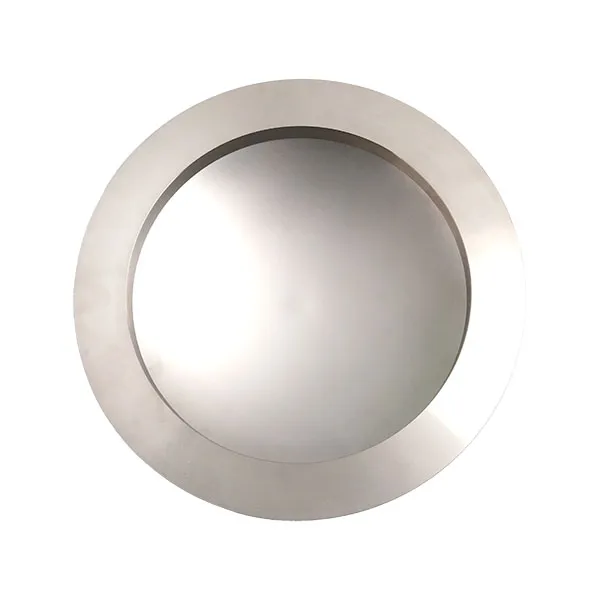
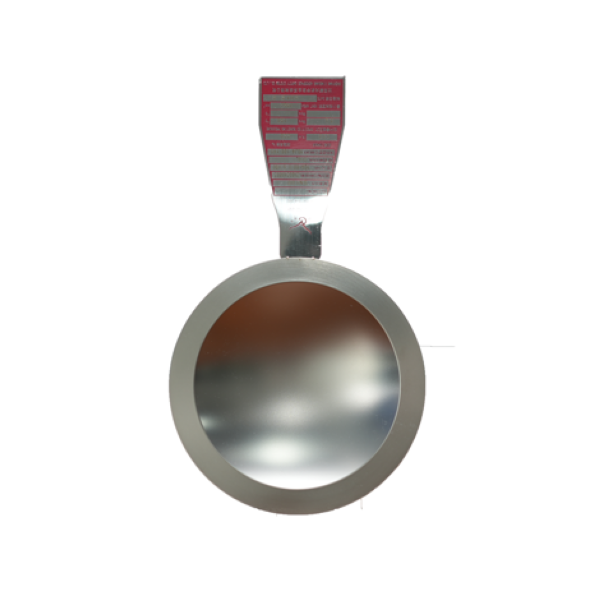
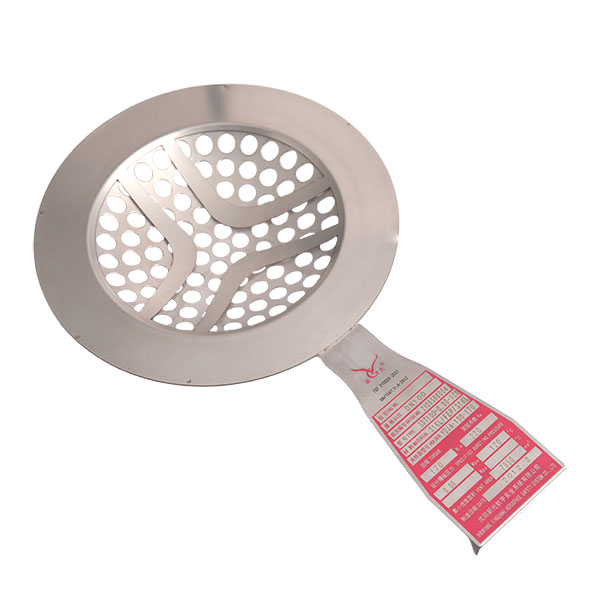
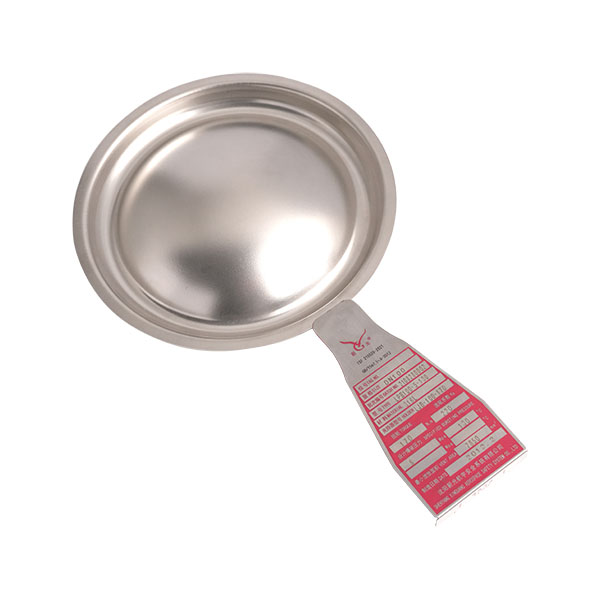
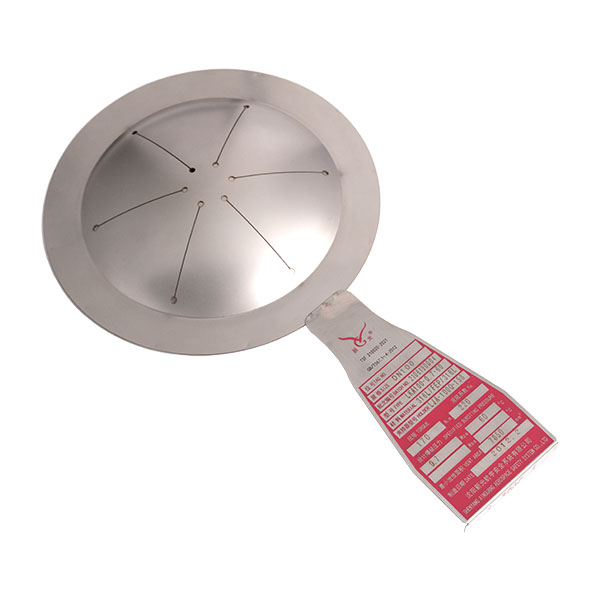
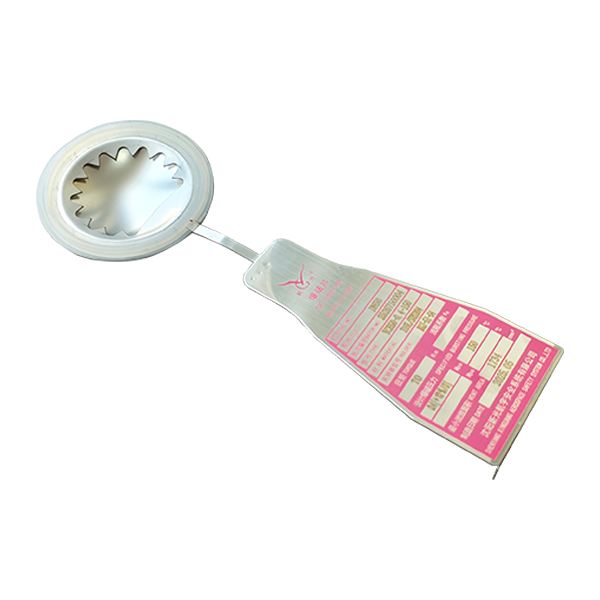
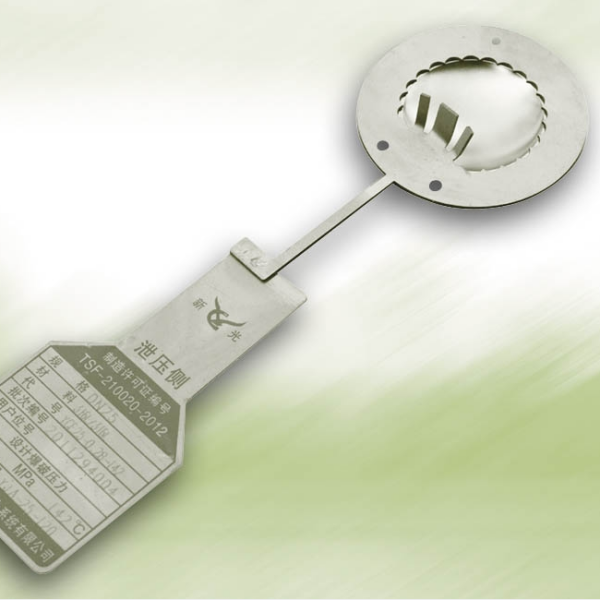
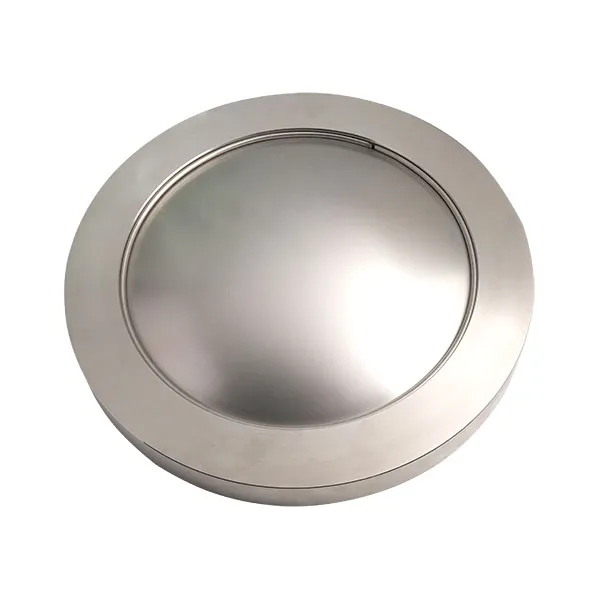
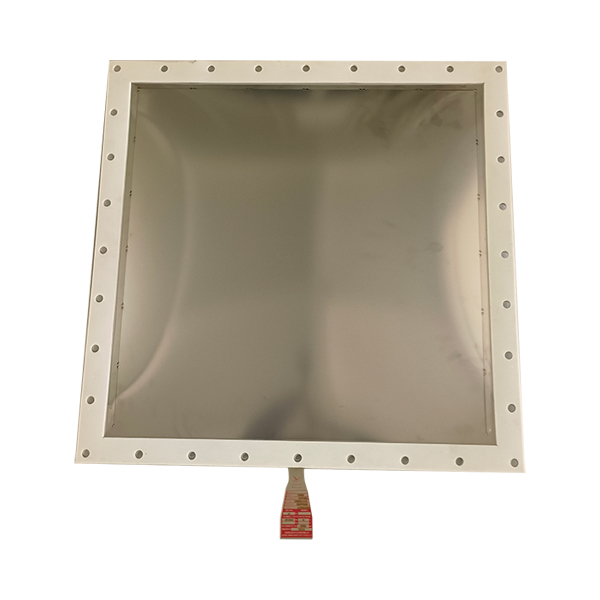
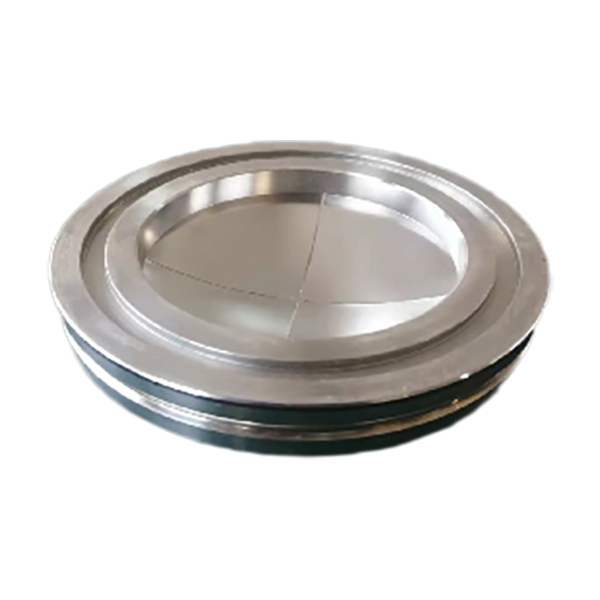
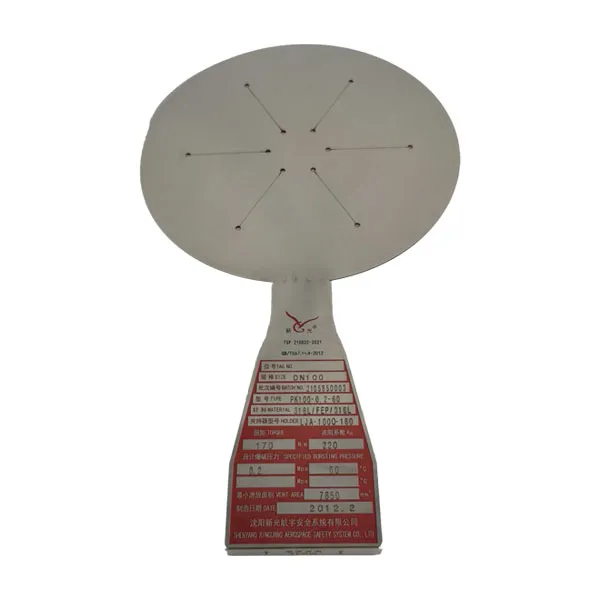
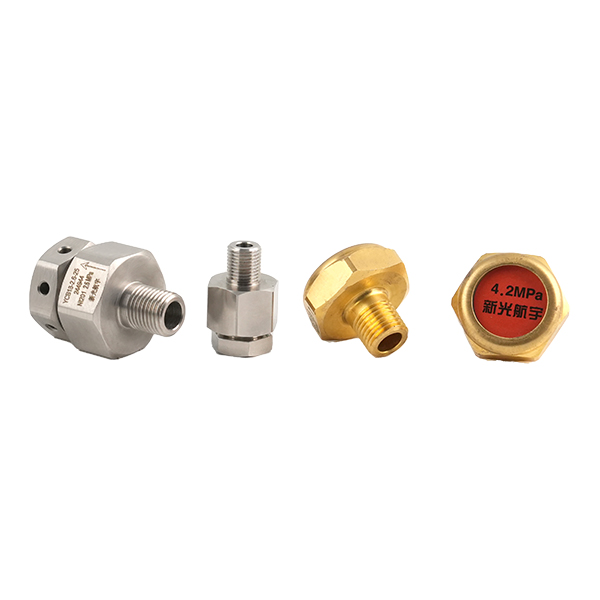
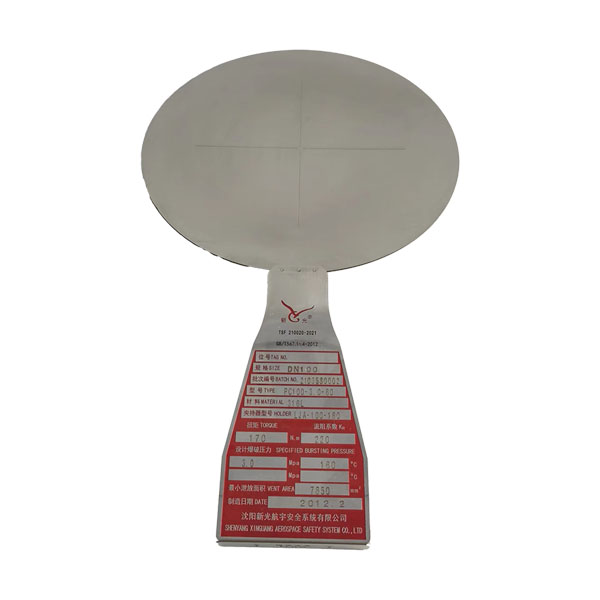
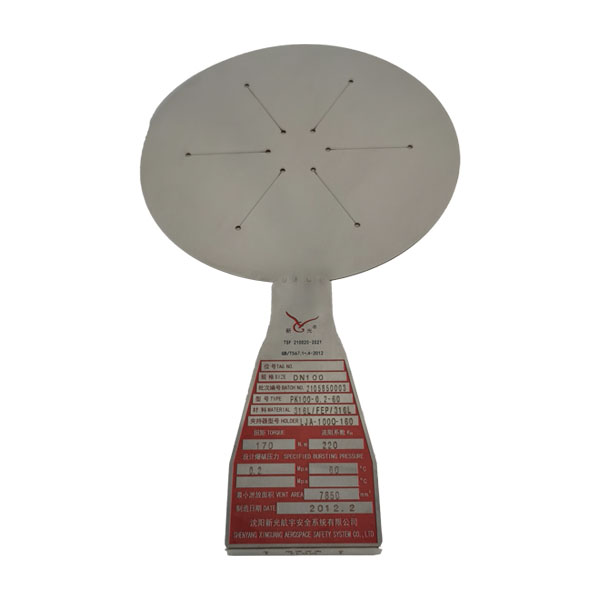
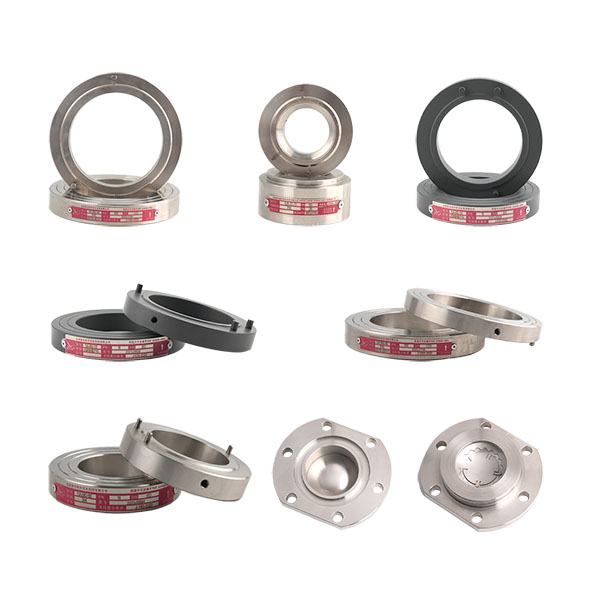
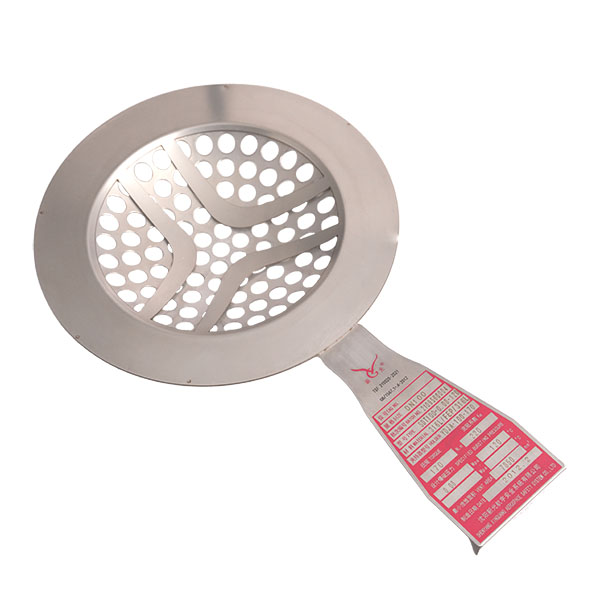
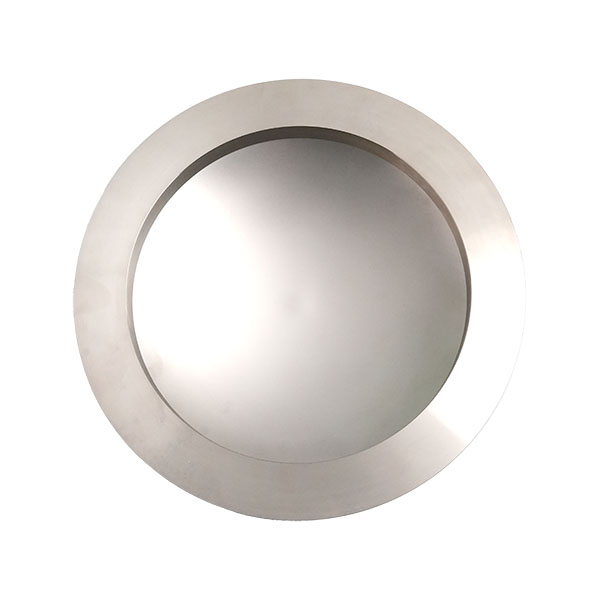
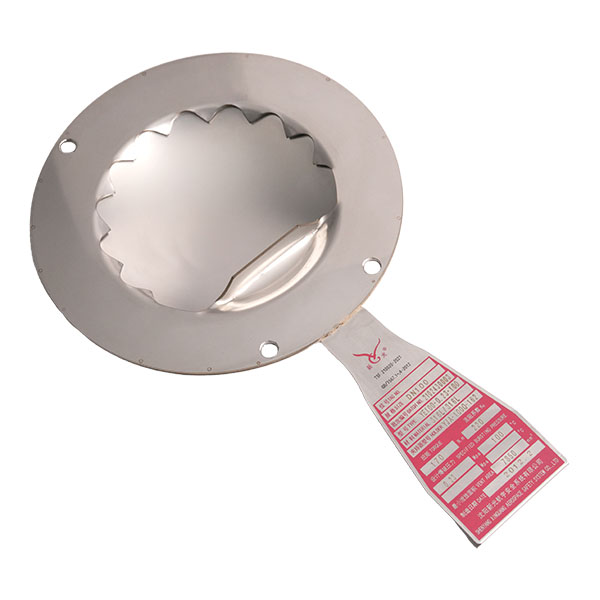
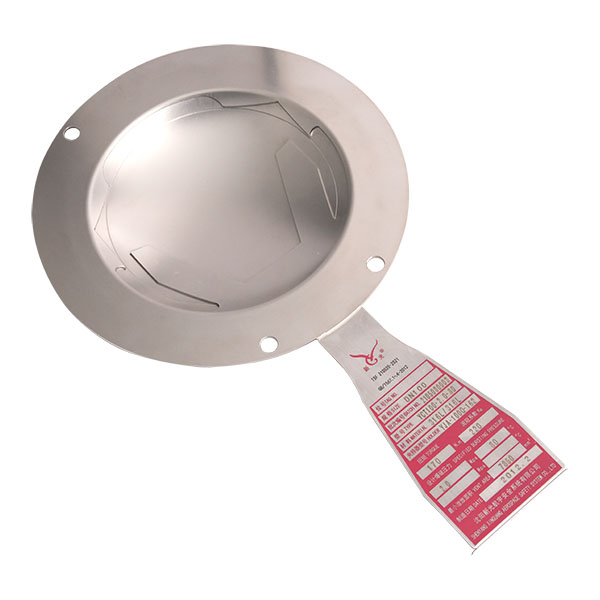
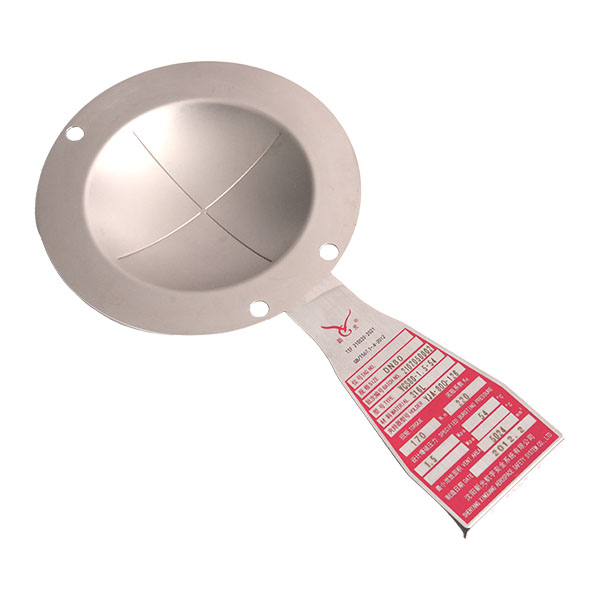
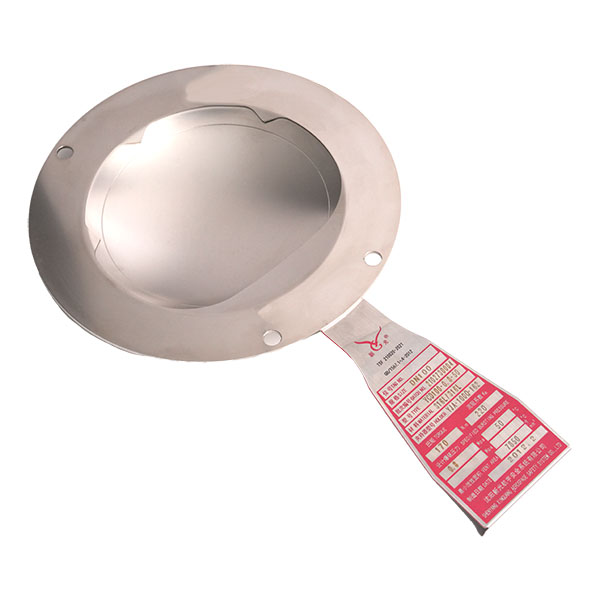
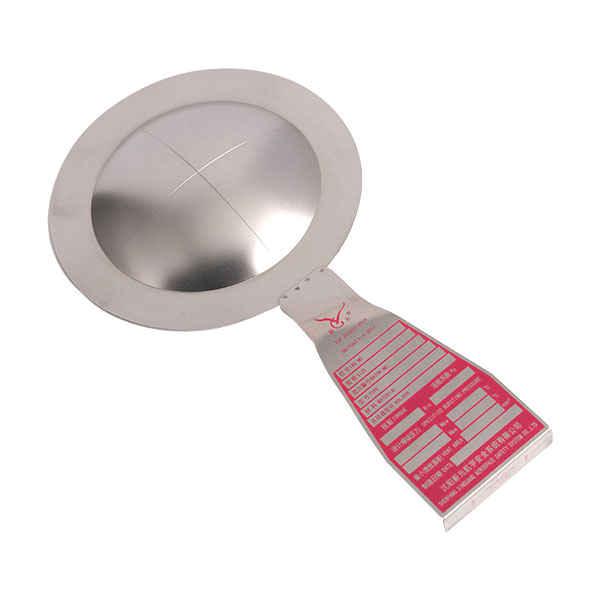
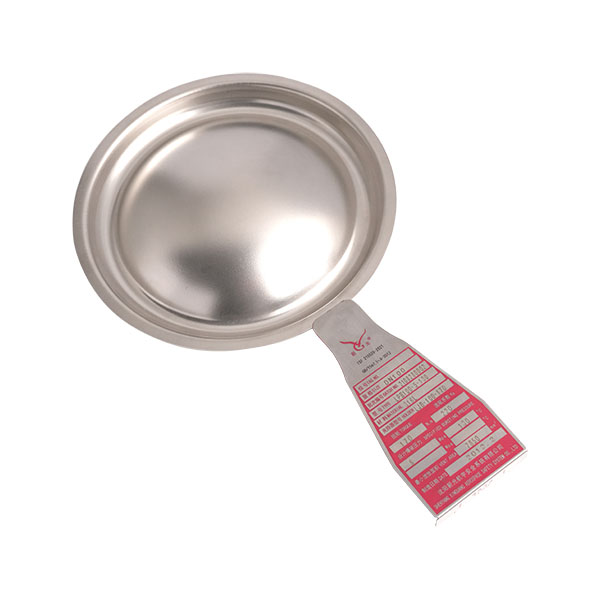
A pressure rupture disc fails prematurely primarily due to fatigue caused by operating too close to its burst pressure, improper handling during installation, or material corrosion. To prevent early failure, engineers must ensure the operating ratio (operating pressure vs. marked burst pressure) does not exceed 90% for a reverse buckling rupture disc or 70% for a positive arch rupture disc, while also accounting for temperature-induced material softening.
The "Hidden" Costs of Cheap Safety
We’ve noticed that many chemical plants in Southeast Asia and Eastern Europe are currently struggling with frequent downtime because they treat a rupture disc as a simple metal consumable rather than a precision-engineered safety component.
Honestly, this is where many buyers get confused. On paper, two discs from different suppliers might look identical—both are stainless steel, both are 50mm, and both are rated for 10 bar. But in actual projects, the manufacturing process changes everything. I’ve spent over 15 years in the workshop and on-site at refineries, and here is the thing: most early bursts aren't "accidents." They are the predictable result of poor selection.
Real Project Experience: The Lithium Battery Case
Last year, we worked with a major lithium-ion battery manufacturer who was experiencing "mystery bursts" in their pressure vessels. They were using a standard positive arch rupture disc.
The problem? Their process involved rapid pressure cycling.
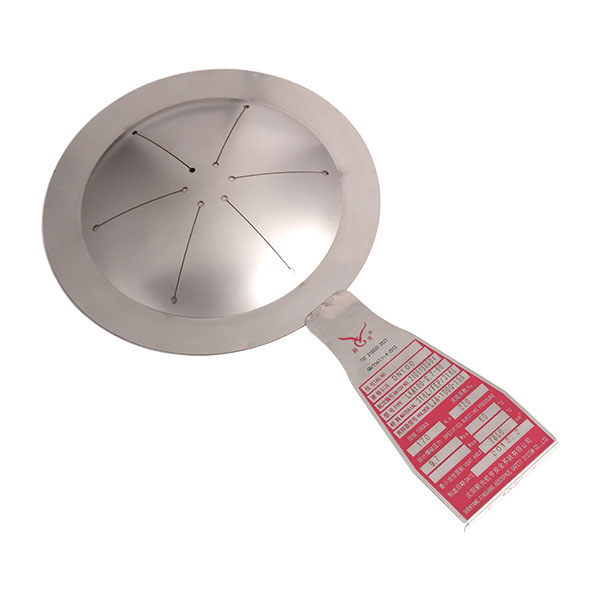
In real projects, a positive arch disc lives in a constant state of tension. Every time the pressure rises and falls, the metal "creeps" or stretches. It’s like bending a paperclip back and forth; eventually, it snaps even if you don't apply maximum force. We swapped them out for a reverse buckling rupture disc. Because the reverse buckling design puts the metal in compression rather than tension, it can handle millions of cycles without the material fatigue that kills cheaper alternatives.
What many buyers overlook: The Operating Ratio.
This is where things get tricky. Every pressure rupture disc has a "safe zone."
Positive Arch Rupture Disc: Usually limited to a 70% operating ratio. If your burst pressure is 100 PSI, you shouldn't run your system above 70 PSI.
Reverse Buckling Rupture Disc: These can handle up to 90% or even 95% in some high-spec OEM builds.
If you push a 70% disc to 85%, it might not burst today, but the grain structure of the metal is already failing. At our Shenyang facility, we use high-precision CNC machining and laser scoring to ensure that the "score line" is uniform down to the micron. If that line is off by even 0.005mm, your "10 bar" disc might become a "9 bar" disc after just three months of service.
Technical Parameters to Watch
When you are looking at a datasheet, don't just look at the burst pressure. Look at these:
Manufacturing Range: A 0% range means you get exactly what you ordered. A -10% range means you might get a disc that bursts 10% lower than your target.
Burst Tolerance: Usually +/- 5%.
Temperature Co-efficiency: Metal gets "softer" as it gets hotter. A disc rated for 10 bar at 20°C might only hold 8.5 bar at 150°C.
FAQ: Solving Common Site Problems
1. Why is my rupture disc leaking at the flange?
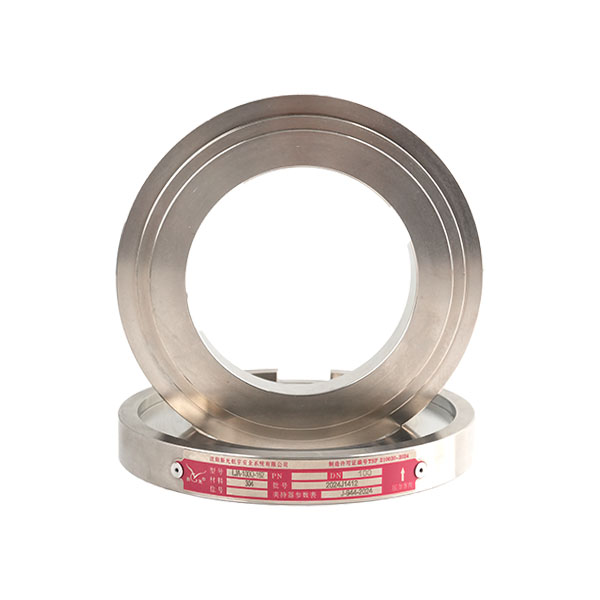
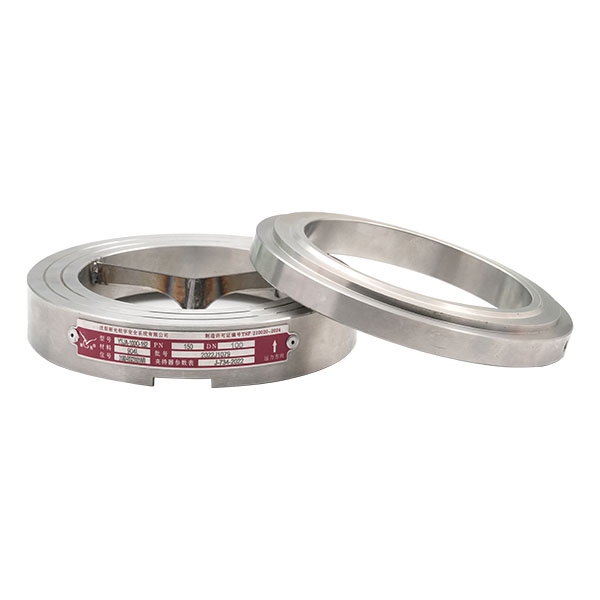
In most cases, it's not the disc. It's the torque. If the holder bolts aren't tightened in a cross-pattern with a torque wrench, the holder warps slightly, creating a bypass leak.
2. Can I use a metal disc for highly corrosive acids?
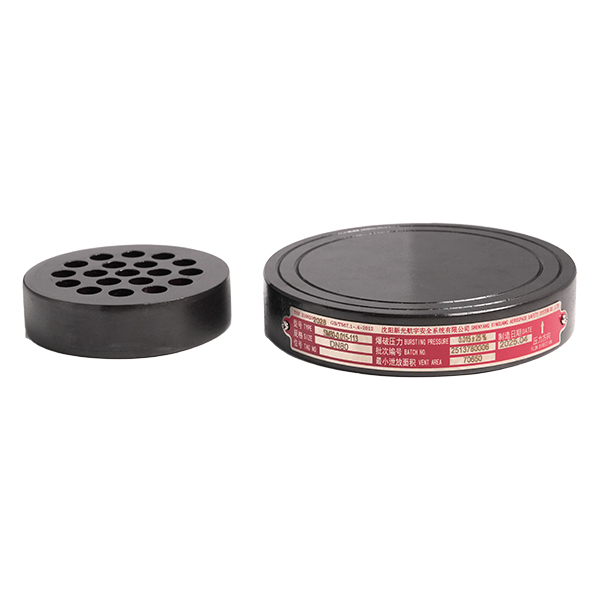
You can, but you'll need Hastelloy or Tantalum, which are expensive. This is where a graphite bursting disc is often a smarter, more cost-effective move.
3. Does the orientation matter?
Absolutely. If you install a reverse buckling rupture disc upside down, the burst pressure can increase by as much as 50%, which is incredibly dangerous.
4. How often should I replace them?
If you're using Shenyang Xinguang discs in a stable environment, annually is standard. In high-cycle or corrosive environments, we recommend a 6-month inspection.
5. Is fragmentation a big deal?
If there is a relief valve downstream, yes. A fragmenting disc will shred and clog the valve. You need a non-fragmenting design.
Choosing a rupture disc isn't just a procurement task; it’s an engineering decision. We’ve seen leakage issues appear only after international shipping vibration tests because the packaging wasn't robust enough to protect the delicate dome of the disc. At Shenyang Xinguang, we focus on the "life of the disc," from the moment it’s scored in our factory to the moment it saves your plant from an overpressure disaster.
