
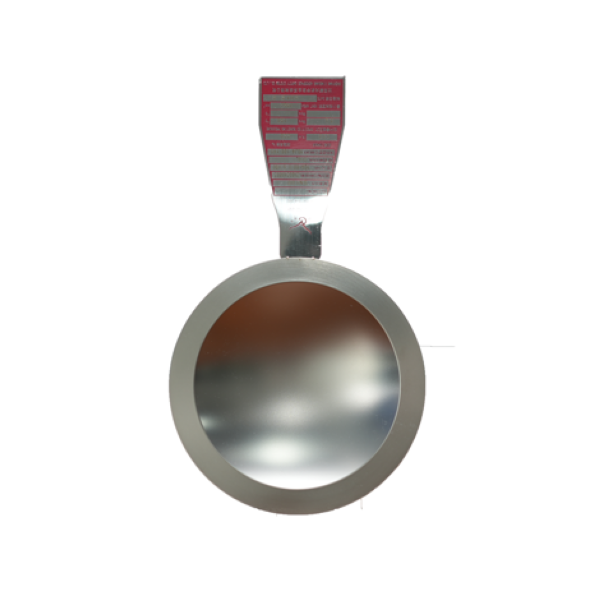
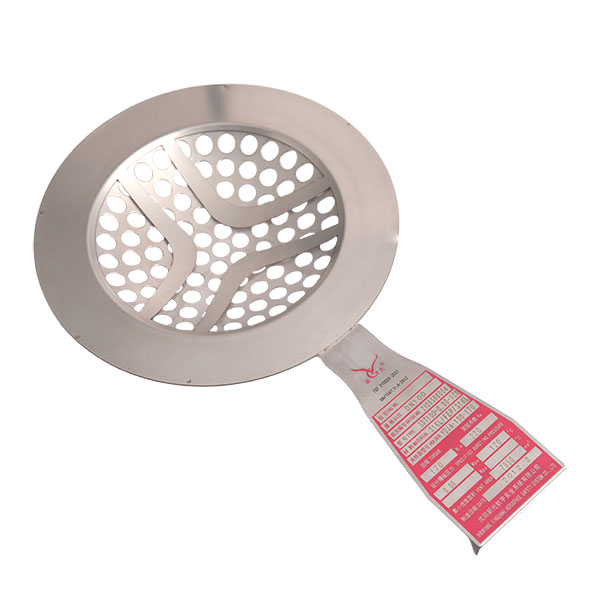
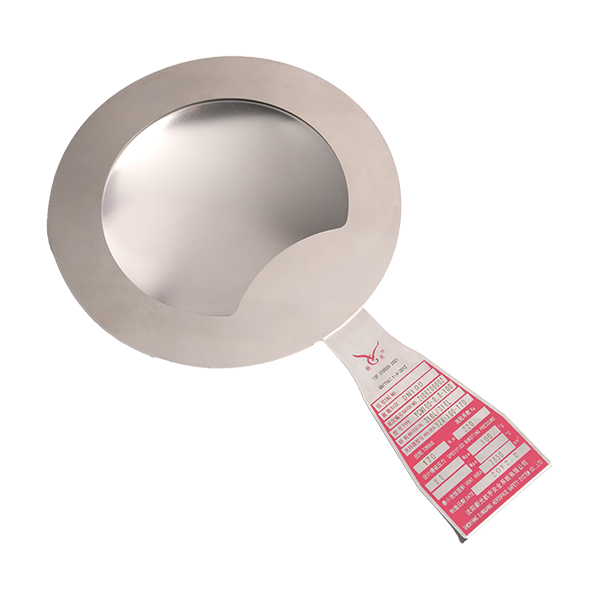
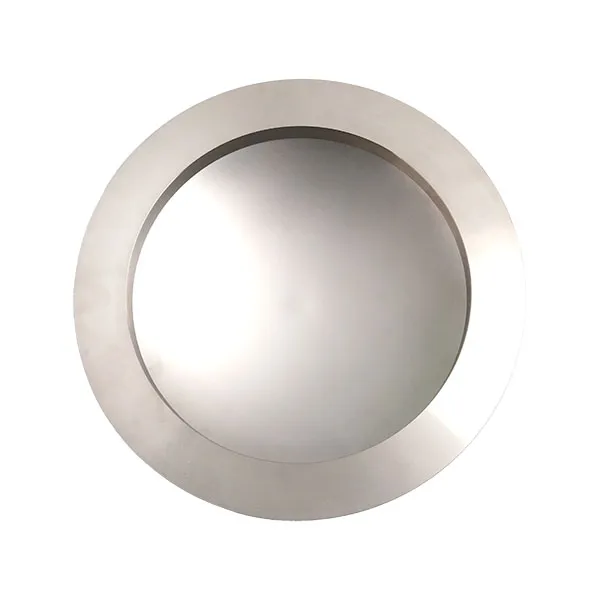
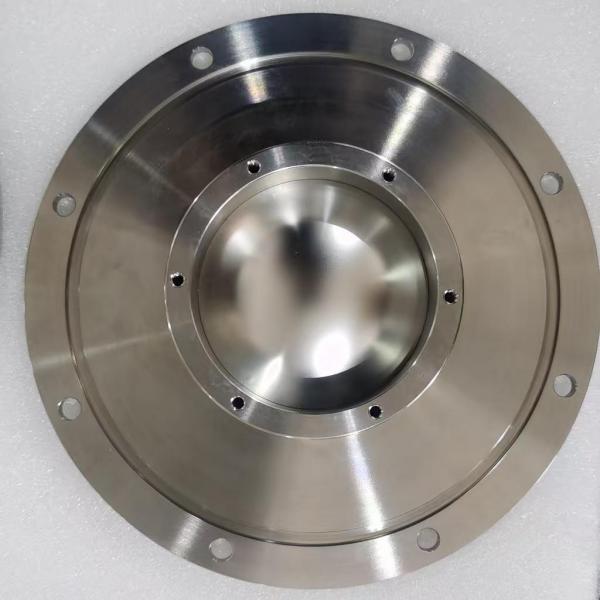
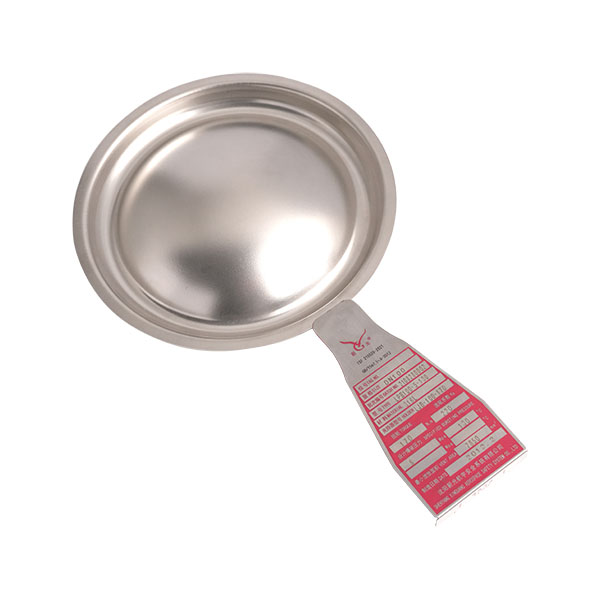
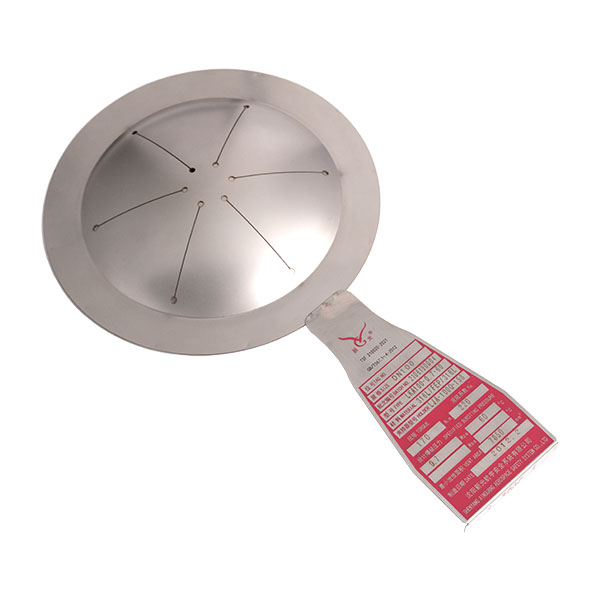
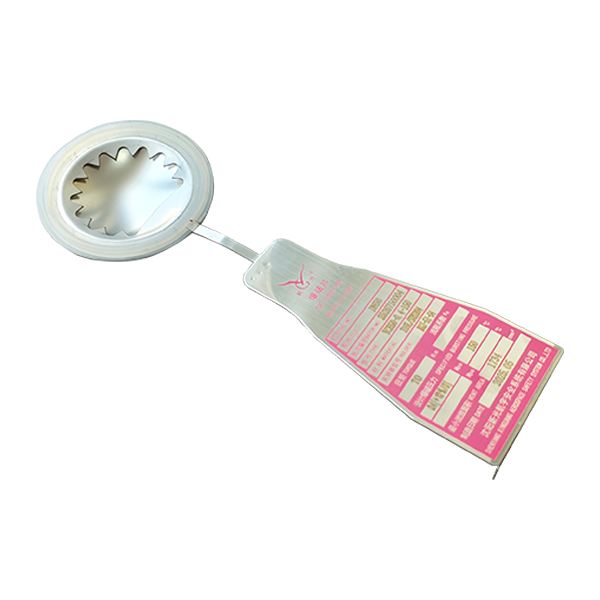

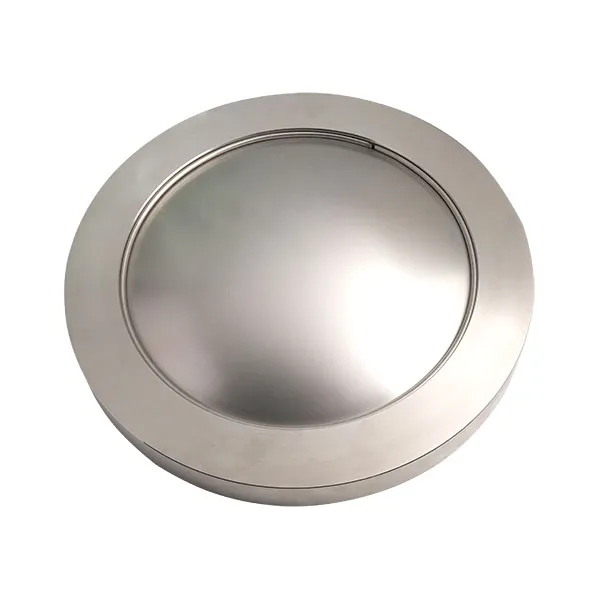
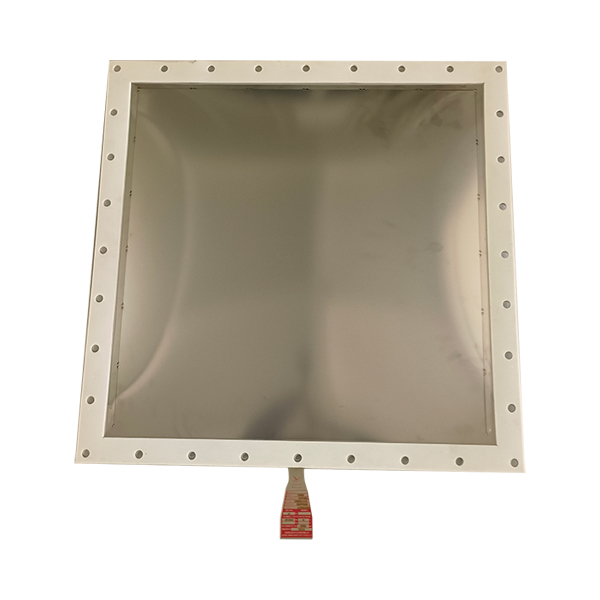
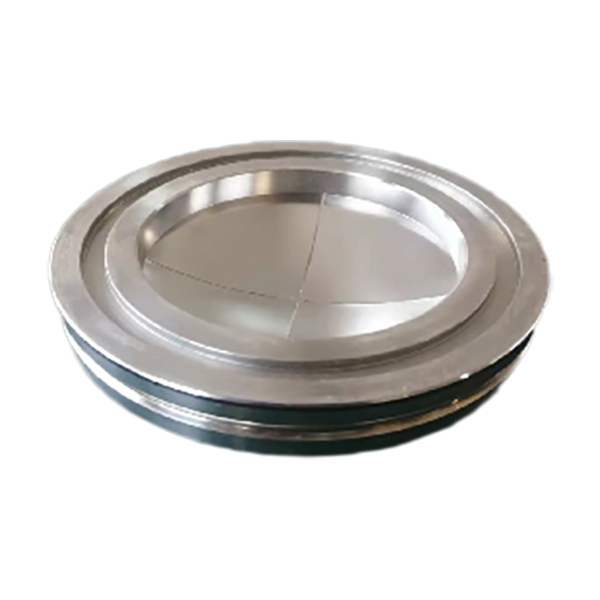
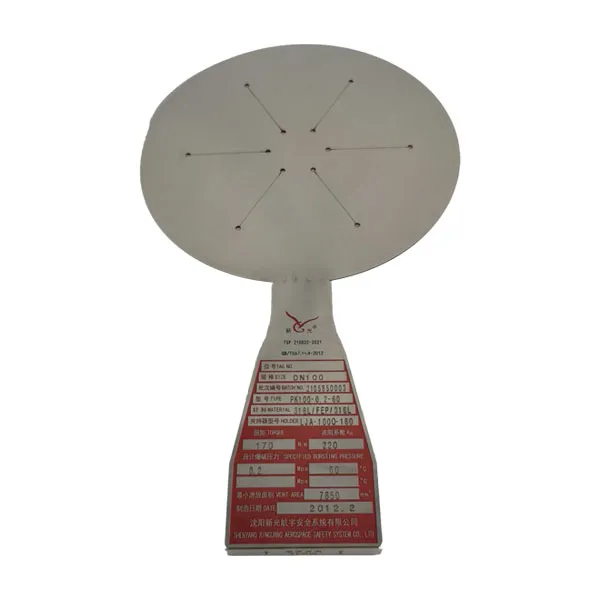
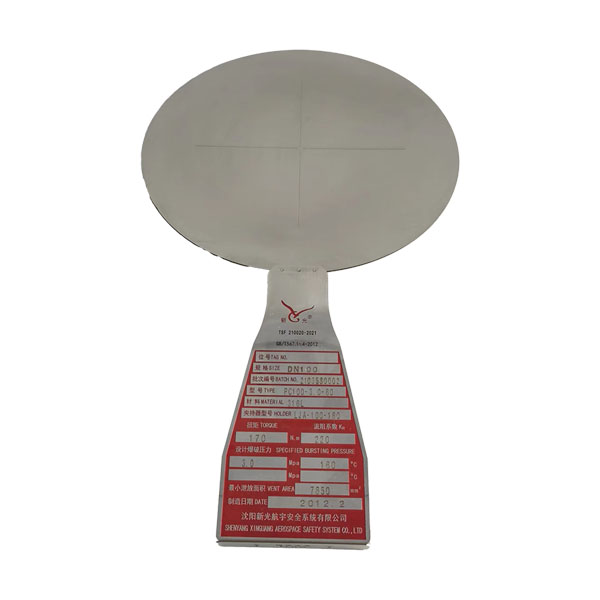
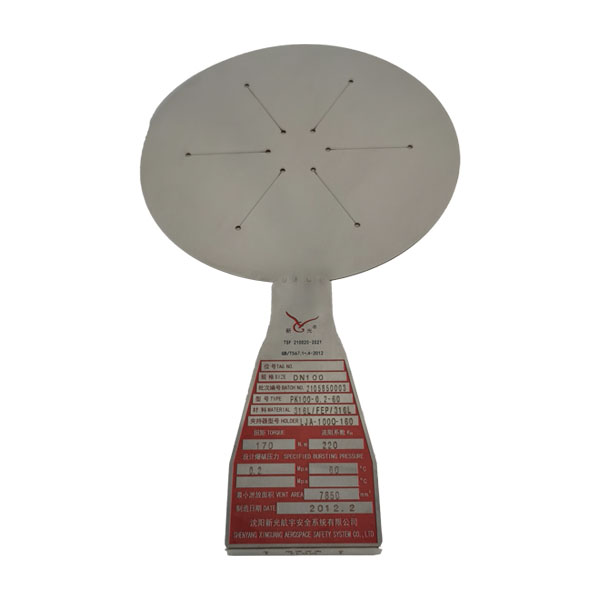
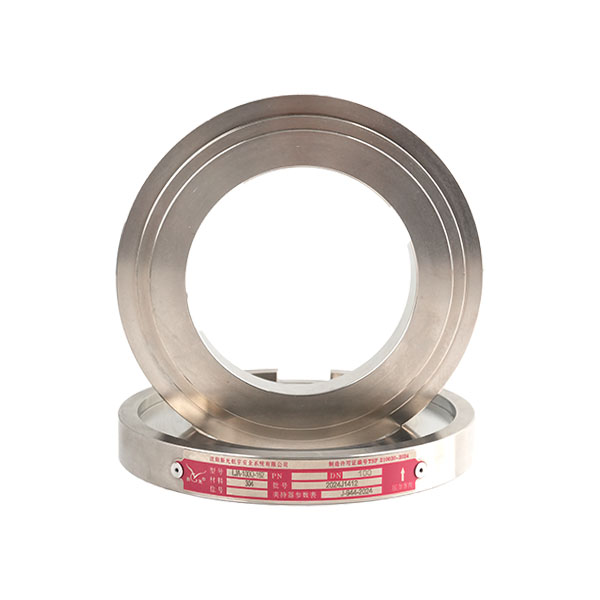
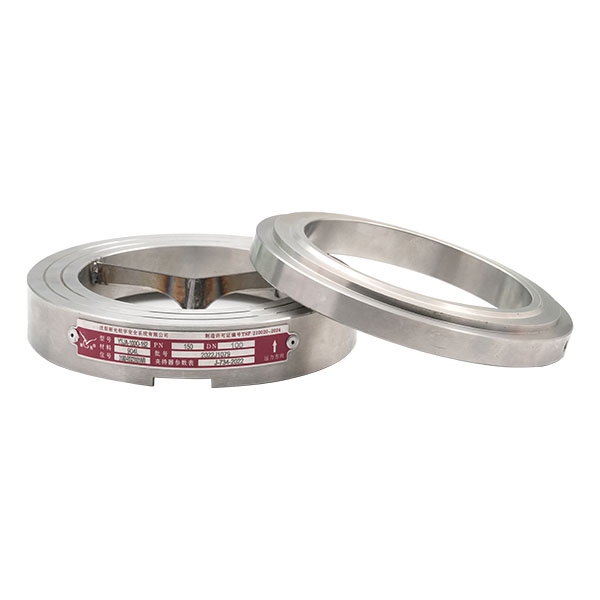
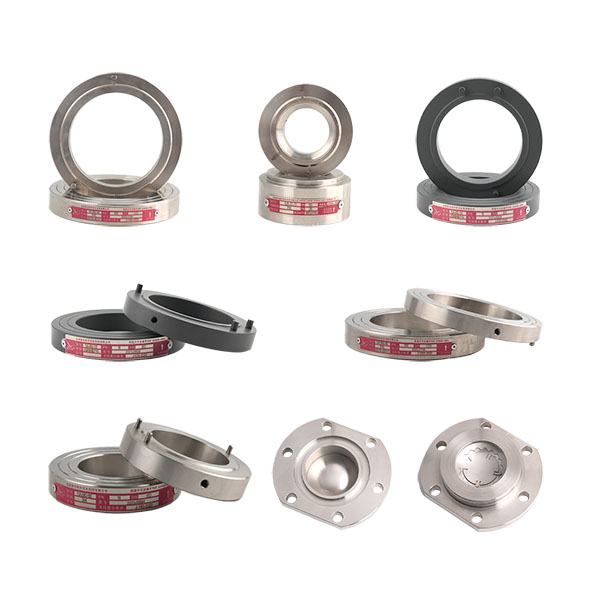
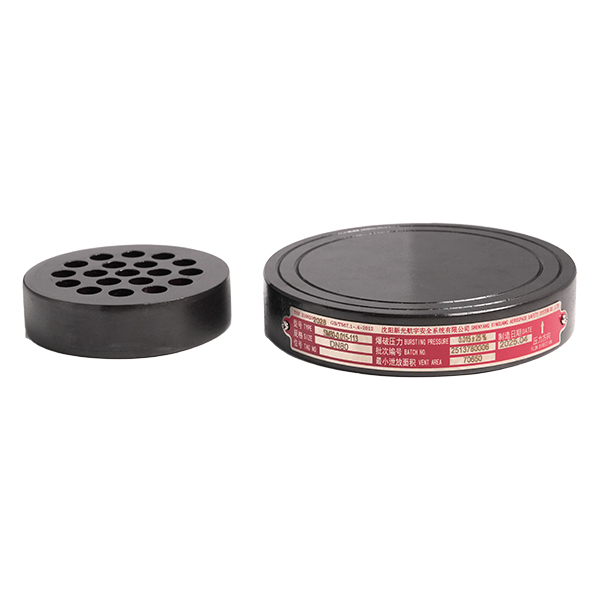
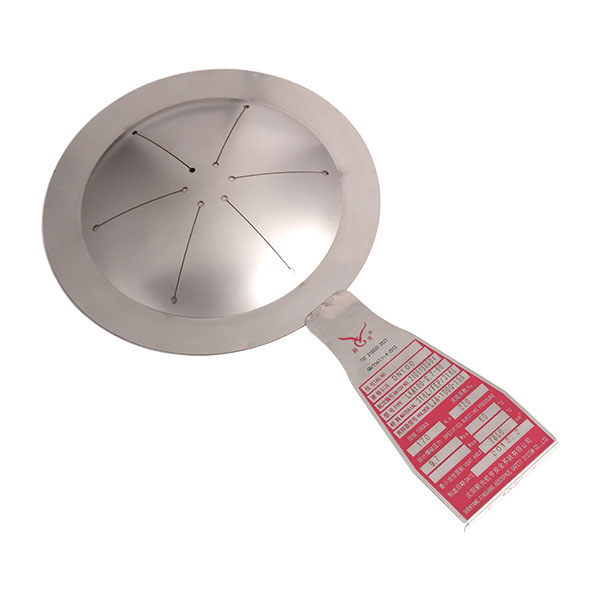

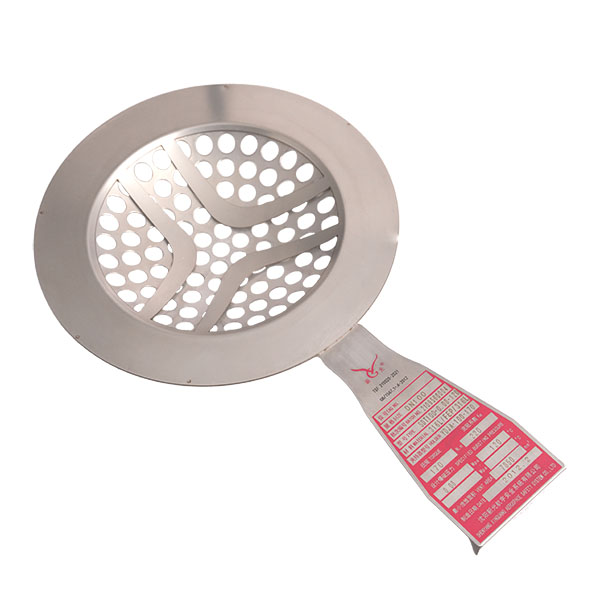
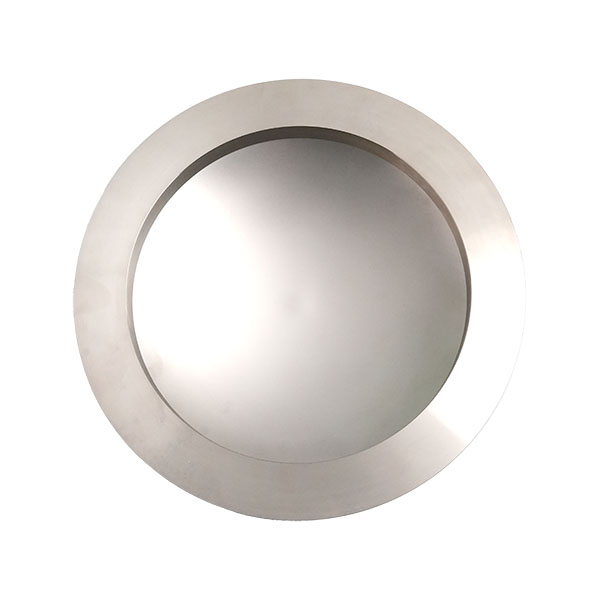
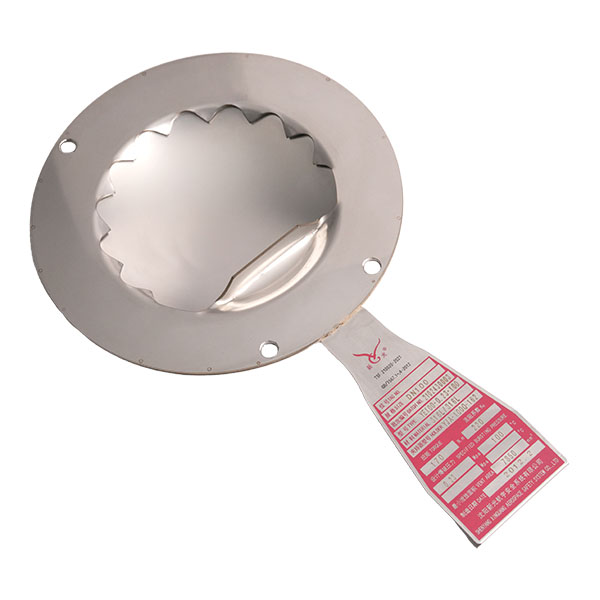
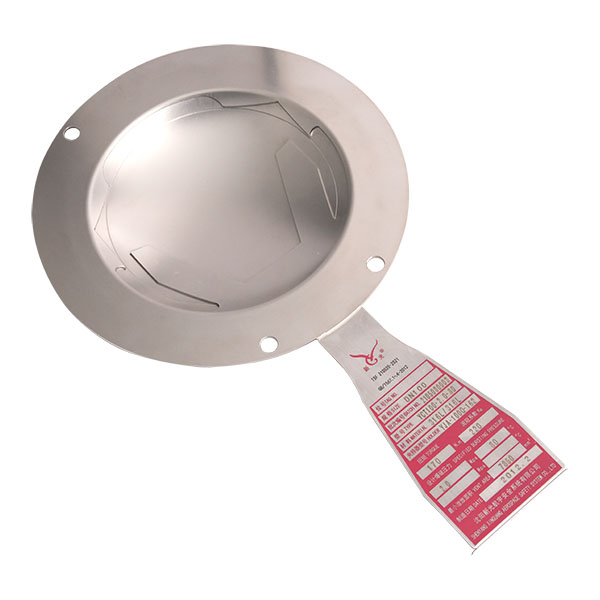
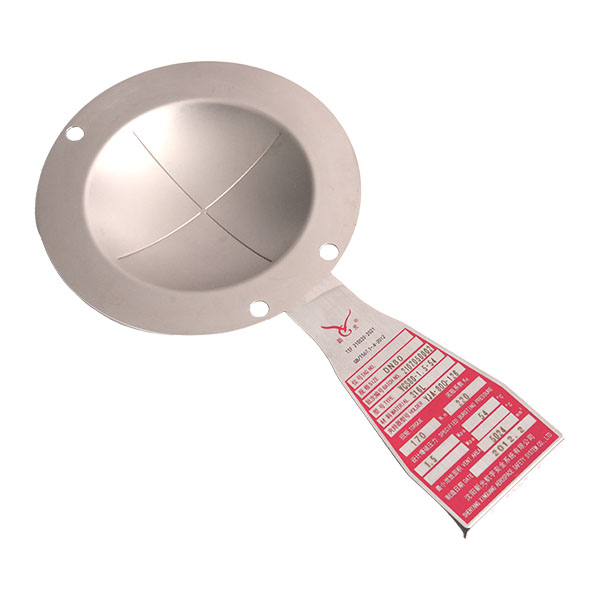
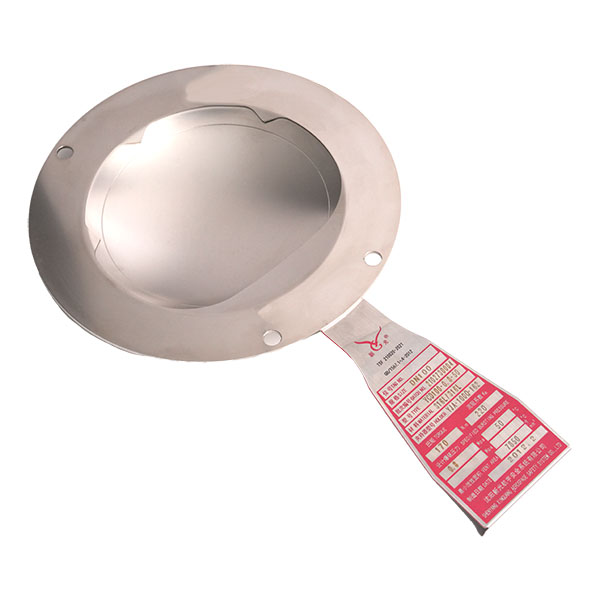
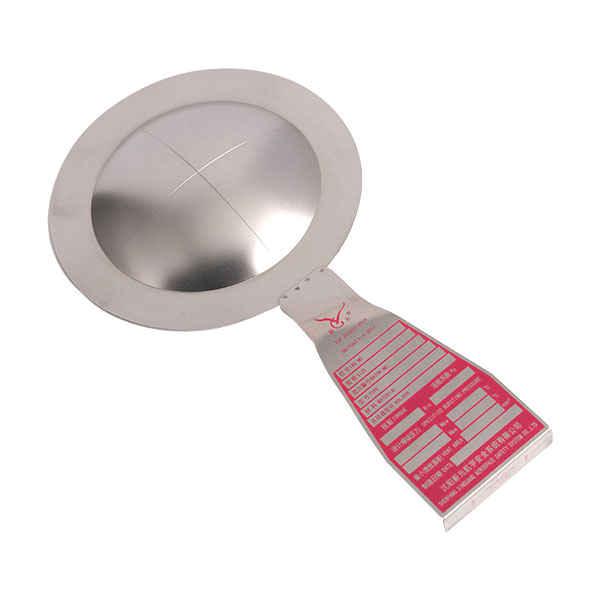
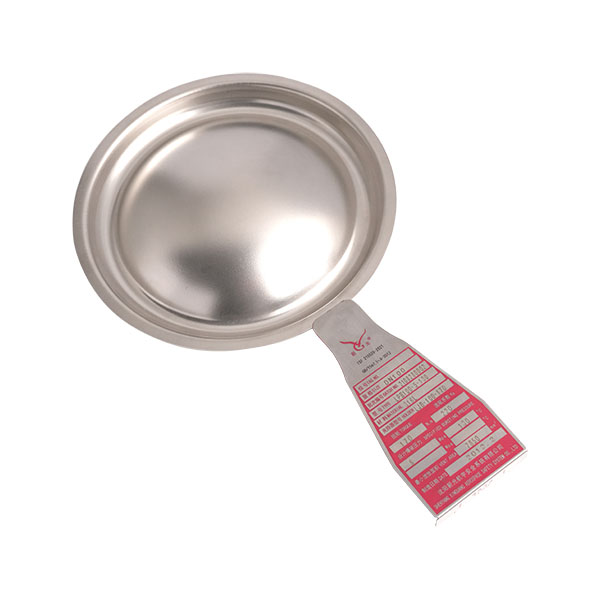
A flat rupture disc is a low-pressure safety device designed specifically for atmospheric storage tanks, silos, and ductwork where burst pressures are often below 1 bar. Unlike domed discs, the flat design—often utilizing a composite of stainless steel and a PTFE sealing membrane—allows for bi-directional protection and extremely sensitive calibration, preventing vessel collapse during vacuum or explosion during overpressure events.
The Hidden Danger of "Atmospheric" Storage
We’ve noticed that many plant managers treat storage silos as "low risk" simply because they aren't high-pressure reactors. This is a dangerous mistake. In real projects involving grain, cement, or chemical powders, the risk isn't just a slow pressure build-up—it’s a dust explosion or a sudden vacuum collapse during unloading.
Honestly, this is where many buyers get confused. They think a standard vent is enough. Here’s the thing: a mechanical vent can freeze shut in winter or get clogged by product buildup. A flat rupture disc doesn't have moving parts to fail. It is a "one-and-done" safety fuse that works every single time, provided you pick the right material.
The Anatomy of the Composite Design
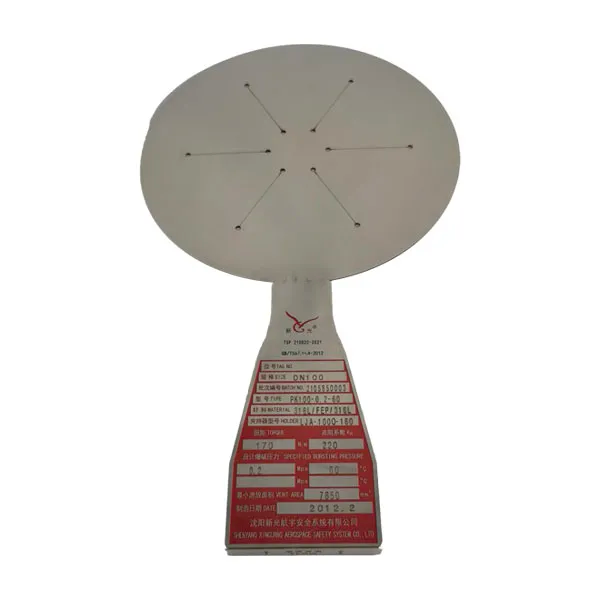
At Shenyang Xinguang, when we talk about a flat rupture disc, we are usually talking about a "composite" structure.
The Top Section: Usually a slotted metal (SS304 or SS316) that provides the structural burst control.
The Seal: A thin membrane, often PTFE (Teflon), that keeps the product in and the moisture out.
The Vacuum Support: If your silo is being pumped out quickly, you need a support layer so the disc doesn't "suck in" and burst prematurely.
What many buyers overlook is the "slotting" precision. If the laser cuts on the metal layer are too deep, the disc will burst from wind vibration. If they are too shallow, the silo might turn into a rocket before the disc pops. We’ve spent years calibrating our laser systems in Shenyang to hit that "Goldilocks zone" where the disc is robust enough for shipping but sensitive enough for safety.
Real Project Experience: The "Caved-In" Silo
A few years ago, we were called to a plastic pellet plant in Europe. They had a massive 20-meter silo that had literally imploded—it looked like a giant soda can someone had stepped on. The culprit? They were using a cheap flat rupture disc without a vacuum support. During a rapid unloading cycle, the internal vacuum exceeded the disc’s strength in the "reverse" direction.
In real projects, you have to account for both sides of the coin. We redesigned their system with our YP series bi-directional discs. One side protects against explosion; the other protects against vacuum. It cost about 15% more than their previous setup, but it’s a lot cheaper than replacing a 20-meter stainless steel silo.
Technical Parameters for Low-Pressure Systems
Burst Pressure: As low as 0.01 MPa (0.1 bar).
Operating Ratio: Usually 80%.
Temperature Range: -50°C to +260°C (limited by the PTFE seal).
Size Range: We’ve built these up to 1000mm in diameter for large ducting systems.
FAQ: Flat Disc Mastery
1. Can I use a flat disc for liquid?
Generally, no. Flat discs are best for gas, vapor, or dust. Liquid "hammer" will destroy a flat disc instantly.
2. What happens if the PTFE seal tears?
The disc will leak. We use a reinforced "FEP" or "PFA" seal for environments where high-vibration or abrasive powders are present.
3. Is it better than a spring-loaded vent?
It’s different. A vent reseals; a rupture disc doesn't. But a disc is 100% leak-proof and much harder to "tamper" with.
4. Do I need a holder for a flat disc?
Many of our OEM designs can be installed directly between standard flanges, but for the best accuracy, a dedicated Shenyang Xinguang holder is recommended.
5. How do I know if it’s "exhausted"?
Unlike a reverse buckling rupture disc, a flat disc will show visible tearing or bulging when it’s near its end of life.
Final Engineering Thought
If you are protecting a silo or a baghouse, the flat rupture disc is your best insurance policy. Just make sure you specify the "vacuum condition"—it’s the one detail that usually gets missed until it’s too late.
